

Rolls-Royce Shares Fall 15% From August Peak, but Brokers Still See Further Gains for Investors
Broker targets remain broadly positive after Rolls-Royce reaffirmed its 2026 profit and cash-flow guidance, while flying hours remain a key risk
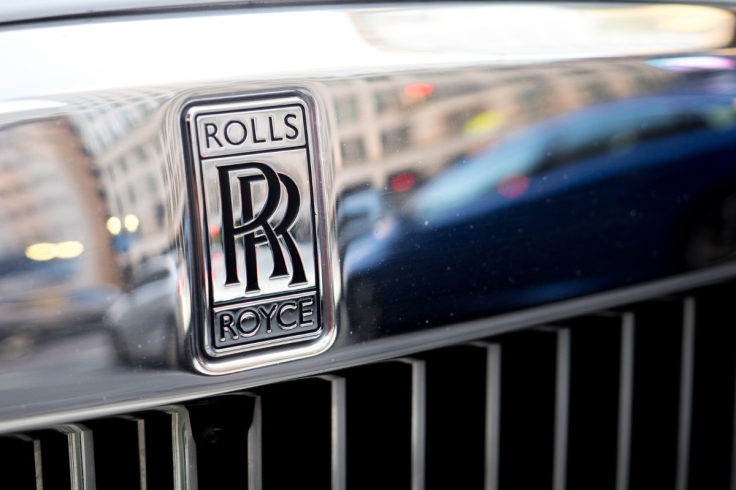
Rolls-Royce shares were about 14.4 per cent below their August peak before the London market opened on Monday, 16 November, but analysts' average 12-month price target suggested potential upside of around 27 per cent. The figures put the engine maker's recent share-price fall alongside the continued optimism reflected in broker recommendations.
The shares were trading at about 1,357p before the market opened, compared with their August high of 1,586p. Investing.com put the average analyst target at about 1,723p, roughly 27 per cent above that 1,357p reference price. The consensus is based on 20 analysts: 16 rate the shares a Buy, four a Hold and none a Sell. Price targets are estimates, not guarantees of returns, and may differ between analysts.
Sharecast recorded a closing price of 1,337.4p on 16 November, giving Rolls-Royce a market capitalisation of about £110.5 billion. That closing figure is separate from the 1,357p price recorded before the market opened, and provides a later snapshot of the shares on the same day.
Brokers Maintain Their Ratings
Jefferies reiterated its Buy recommendation, with a 2,000p price target, on 12 November. RBC Capital Markets has an Outperform recommendation and a 1,600p target, recorded on 31 July. The dates matter: these recommendations and targets were issued at different points, rather than as a single assessment made on the same day.
BofA Securities lowered its target from 1,850p to 1,625p while maintaining its Buy recommendation. The three broker targets cited here range from 1,600p to 2,000p, although the article's broader consensus figure is based on 20 analysts. A price target indicates where an analyst believes a share could trade over a specified period; it does not mean the share will reach that level.
Guidance Reaffirmed
The broker outlooks follow a trading update on 12 November, in which Rolls-Royce reaffirmed its full-year 2026 guidance. The company expects underlying operating profit of £4.7 billion to £4.9 billion and free cash flow of £3.8 billion to £4 billion. These are company forecasts, rather than reported full-year results.
Its Power Systems division recorded a 62 per cent year-on-year increase in order intake during the first nine months of 2026. The division's order backlog reached a record £8.6 billion at the end of September.
Rolls-Royce also said it had substantially completed its £2.5 billion 2026 share buyback. It announced a further £1.5 billion programme, which it expects to complete by 25 February 2027, ahead of its full-year results.
The additional buyback forms part of the company's existing £7 billion to £9 billion share repurchase programme for 2026 to 2028. Management said the programme reflects its confidence in sustainable free cash flow growth. The buyback is a separate part of the company's capital allocation plans; it does not alter the operating profit and cash flow guidance set out in the trading update.
Valuation and Flying-Hours Risks
Based on management's £4 billion free cash flow guidance and a market capitalisation of about £110.5 billion, the implied free cash flow yield is around 3.6 per cent. This calculation compares the guided cash flow figure with the company's market value. It is a snapshot based on those figures, not a forecast of future returns, and does not by itself establish whether the shares are cheap or expensive.
Engine flying hours remain a key risk for the outlook. Large-engine flying hours rose 4 per cent year on year in the first 10 months of 2026, reaching 114 per cent of 2019 levels. Rolls-Royce expects the full-year figure to be towards the lower end of its guidance range of 115 per cent to 120 per cent of 2019 levels.
A sustained slowdown in flying hours could weigh on demand for engine maintenance and servicing, potentially putting pressure on aftermarket revenue in the Civil Aerospace division. The latest figures therefore show both the company's forecast for a continued recovery in flying hours and the possibility that activity may come in towards the lower end of its expected range.
© Copyright IBTimes 2026. All rights reserved.