

Flydubai Attacker Begged 'Kill Me' as Stabbed Pilot Pleaded 'Save Me', Hero Dentist Reveals
Passengers overpowered the co-pilot after gaining access to the cockpit
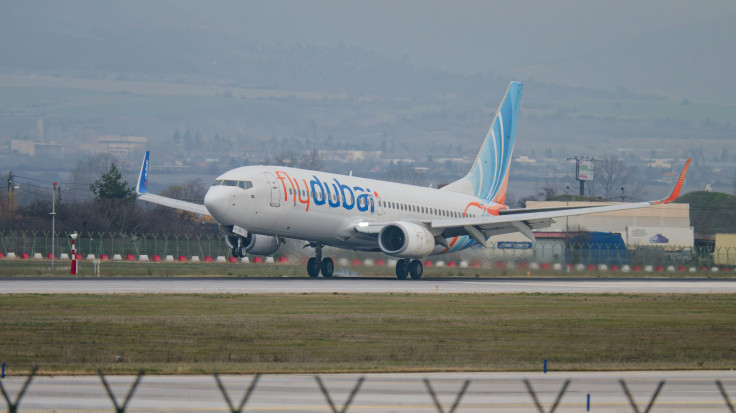
A dentist who helped save a badly wounded Flydubai captain has revealed how the restrained co-pilot begged passengers to 'kill me' moments after the pilot pleaded: 'Help me, please. I don't want to die here.'
Dr. Shota Musaev was among those who rushed to help after captain Smit Machchhar was attacked in the cockpit of Flydubai Flight FZ1073 from Dubai to Tel Aviv, triggering a dramatic mid-air emergency as the jet rapidly lost altitude.
Musaev's account provides a harrowing glimpse inside the aircraft as passengers helped overpower the co-pilot, treated the bleeding captain and fought to secure the plane before it was diverted to Saudi Arabia.
Flydubai Attacker Begged Passengers To 'Kill Me'
Musaev, an Israeli dentist travelling with his family, rushed towards the cockpit as the crisis unfolded.
After the co-pilot was overpowered, Musaev helped restrain him using headphone cables and other materials available on board. He told ABC News that the man offered little resistance once subdued and repeatedly said: 'Kill me, kill me, please.'
Other passengers also said they heard the same plea after the suspect was restrained.
Musaev then turned his attention to Machchhar, who had suffered serious injuries during the cockpit struggle.
Stabbed Pilot Smit Machchhar Pleaded for Help
The dentist said the captain was bleeding heavily from wounds to his head, neck and hands but remained conscious.
Musaev applied pressure to the injuries in an attempt to stem the bleeding and reassured Machchhar that he would survive.
The captain replied: 'Help me, please. Help me, please. I don't want to die here.'
Musaev later said he feared Machchhar could have died without immediate treatment. After the emergency landing, the captain was taken to hospital and later transferred to the UAE, where Indian officials said he was recovering well.
Passengers Stormed Cockpit as Flydubai Jet Lost Altitude
Despite his injuries, Machchhar managed to unlock the cockpit door, allowing passengers and crew to intervene and overpower the co-pilot.
Flight-tracking data showed the Boeing 737 Max 8 descending sharply from its cruising altitude of about 34,000 feet (10,363 metres) during the emergency.
The aircraft fell to around 16,600 feet (5,060 metres) before briefly climbing again, according to data reported by the Associated Press, with further altitude changes following as those on board battled to regain control.
A reserve crew travelling on Flight FZ1073 eventually took over and diverted the aircraft to Tabuk airport in Saudi Arabia, where it landed safely.
Israeli hero aboard nearly-hijacked FlyDubai flight FZ 1073: Yaniv Hayoun
— Israel War Room (@IsraelWarRoom) September 30, 2026
Hayoun has no background in security. But when he realized there was an attempted hijacking, he knew he had to do something.
He ran to the cockpit and physically fought with the co-pilot, who had stabbed… pic.twitter.com/HHHnKPXETx
UAE Investigates Motive Behind Flydubai Flight Attack
UAE authorities have opened an investigation into the circumstances surrounding the attack, including whether it was connected to terrorist activity, involved prior planning or was directed by others.
Israeli officials identified the suspect as an Omani national.
Israeli Prime Minister Benjamin Netanyahu said information gathered about the co-pilot indicated that he had undergone 'Islamist radical indoctrination', although he did not publicly provide evidence supporting that assessment.
Israeli security officials initially assessed that the co-pilot was likely acting alone, Reuters reported.
The investigation remains ongoing, and authorities have not established publicly whether the attack was connected to a terrorist organisation or involved other individuals.
© Copyright IBTimes 2026. All rights reserved.