

Six Flags Shares Hit Lowest Since 2009 After Fatal Ride Incident, but Financial Trouble Runs Much Deeper
Merger debt and mounting losses threaten the operator's recovery as safety concerns put its parks under renewed scrutiny
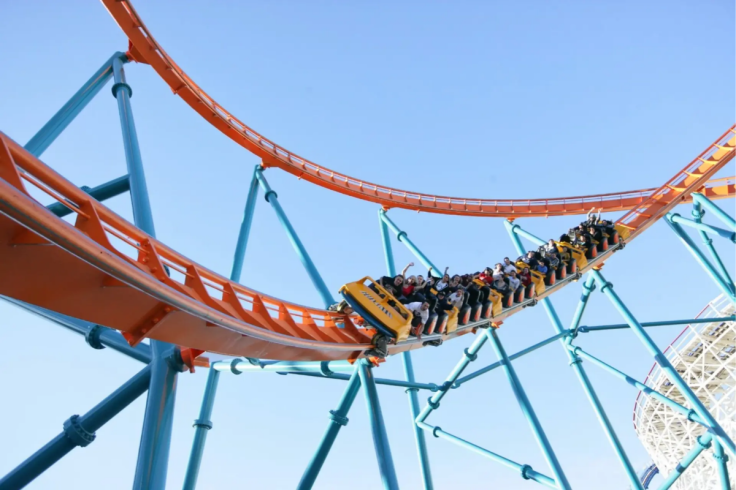
Six Flags shares fell to their lowest closing level since 2009 on 13 October, after a fatal incident at its Georgia theme park intensified scrutiny of the amusement-park operator. But the market decline comes as the company grapples with mounting losses, merger-related debt, and a major restructuring of its park portfolio.
The stock dropped 14.43 per cent to $10.20 (approximately £7.60), according to MarketWatch. The previous day, 12 October, a 42-year-old man, Hassan Jihad Ibn Kariem, died following an incident involving a roller coaster at Six Flags Over Georgia. Several other people were injured, and the Cobb County Police Department said its investigation was ongoing.
Six Flags said it was cooperating fully with the investigation and expressed condolences to the victim's family. The incident does not establish negligence, but it adds another challenge for a company whose financial recovery was already in doubt.
Merger Debt Continues to Weigh on Six Flags
Six Flags completed its merger with Cedar Fair in 2024, creating a larger amusement-park group. The deal, valued at approximately $8 billion (£5.9 billion), brought together two major operators, but the combined company has struggled to turn its scale into consistent profitability. Its second-quarter results showed a net loss of $203 million (approximately £151 million), more than double the $99.6 million (approximately £74 million) loss recorded a year earlier. Reported revenue fell to $865 million (approximately £644 million), according to the company's quarterly results.
The figures highlight the difficulty of managing a large portfolio while servicing debt and absorbing operating costs. The company's results also require careful interpretation: reported performance was affected by parks that had been sold or were no longer operating, meaning headline comparisons do not tell the whole story.
Park Sales Raise Questions About the Recovery Plan
Six Flags has sought to simplify its operations through asset sales. In March, it announced agreements to sell seven parks to EPR Properties for $331 million (approximately £246 million). The company confirmed the sale of six US parks in April, with the separate La Ronde transaction expected to close later.
Selling parks can generate cash and reduce the demands of running a sprawling business. However, the longer-term test is whether the remaining attractions can produce enough revenue and cash flow to support the company's finances.
Attendance figures underline that distinction. Visits fell 7 per cent on a reported basis in the second quarter, but attendance at comparable parks increased 4 per cent. The contrasting figures suggest that the portfolio changes and the performance of individual parks need to be considered separately when assessing the business.
Safety Risks Could Complicate the Financial Outlook
The Georgia incident has prompted Six Flags to close nine rides across six parks temporarily as a precaution. The closures add operational uncertainty while authorities investigate what happened.
The company also faces scrutiny surrounding X2 at Six Flags Magic Mountain in California, which was closed following reporting about alleged serious injuries and deaths associated with the attraction. Six Flags has faced lawsuits linked to the ride and has maintained that it passed required safety tests. Allegations in lawsuits should not be treated as established findings.
In its annual financial filing, Six Flags warned that its liability insurance might not be sufficient to cover all potential claims and that it might be unable to obtain cover at commercially reasonable rates. That warning predates the Georgia incident, but it illustrates a financial risk that could become more consequential if legal claims or insurance costs increase.
Any effect on attendance, insurance or future legal expenses remains uncertain. The immediate investigation does not, by itself, establish the company's liability.
Investors Await Evidence of a Turnaround
Six Flags is due to announce its third-quarter results on 5 November, according to its official investor-relations announcement. The update should give investors a clearer picture of peak-season trading and whether the business is making progress towards stabilising its finances.
Activist investor Jana Partners has also urged the company to explore a sale, adding pressure for management to demonstrate that its current strategy can restore value. The central issue for shareholders is no longer simply the size of the company's park portfolio. It is whether the remaining business can deliver sustainable cash flow, manage debt, and navigate safety-related risks. The fatal incident has brought those concerns into sharper focus, but the financial turnaround will depend on results that extend well beyond one day's trading.
© Copyright IBTimes 2026. All rights reserved.