Starbucks Took 15% of This Coffee Company's Business in One Blow. Years Later, the Tables Have Turned
Equator nears $40M (£30M) as Starbucks closes 250 cafes
Starbucks is pulling back. On 24 September the chain said it would close about 250 underperforming cafes across North America, roughly 1% of its more than 18,000 locations there, and take about $300M (£226M) in restructuring charges as part of chief executive Brian Niccol's turnaround. Hundreds of miles south of its Seattle headquarters, a much smaller rival is expanding.
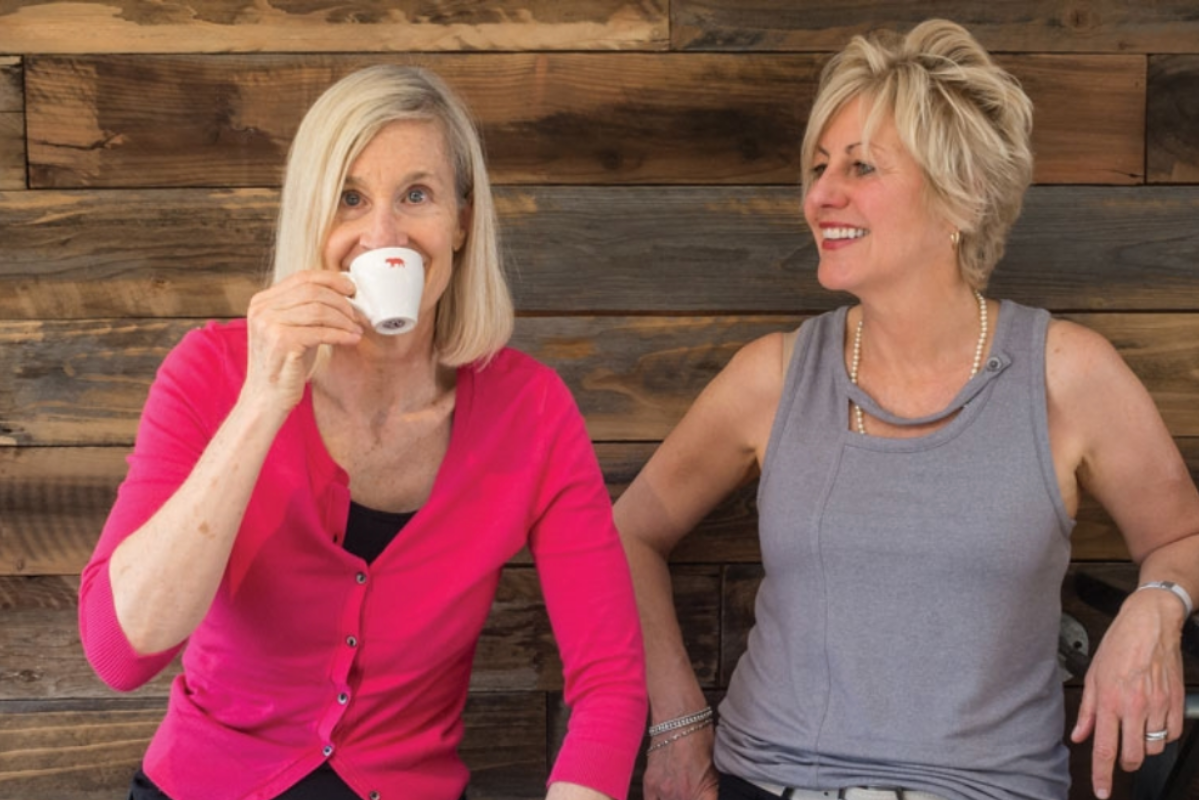
Equator Coffees, a roaster founded in a Marin County garage in 1995, is on track to reach roughly $40M (£30M) in revenue this year, co-founder and executive chair Helen Russell said. The company runs 12 cafes, supplies hundreds of wholesale accounts, and has more than doubled in size since the pandemic.
Russell said Starbucks' closures had opened space for independent roasters. 'The closure of several Starbucks in the Bay Area, particularly in downtown San Francisco, has provided many local specialty coffee brands the opportunity to take over former Starbucks locations and expand their retail footprint,' she told Forbes. She said the change gave more customers access to specialty coffee.
Years ago, Russell has said, Starbucks poached Equator's largest wholesale customer, an account worth about $1.3M (£980,000), or close to 15% of revenue at the time. Speaking on Sprudge's Seed to Cup podcast, she said the loss convinced the founders that retail drives wholesale, and they decided to open cafes of their own.
A Near Collapse, Then a Pivot
Then came the pandemic. When offices closed in 2020, about $7M (£5.3M) of business disappeared within weeks, as corporate clients including Google, Twitter, and Slack sent staff home. The roaster had spent 25 years building a wholesale operation, reaching roughly $20M (£15M) in annual revenue before the crisis, and lost a large part of it.
Russell's response was to diversify. Equator pushed harder into grocery, direct-to-consumer sales, and a ready-to-drink line, while leaning on its cafes as places where customers meet the brand. 'Covid and the years that followed taught us that you have to diversify,' she told Forbes.
Built on Relationships and Benefits
The company Russell and co-founder Brooke McDonnell built has long carried higher costs than many rivals. Equator became California's first B Corp-certified coffee roaster in 2011, and in 2016 it was named National Small Business of the Year by the US Small Business Administration, the first LGBTQ-owned business to take the award. It employs more than 200 people and offers health insurance, retirement benefits, dental cover, and mental-health support.
Those benefits add cost. 'There are a lot of companies that would love to be able to take care of their employees and give them health insurance,' Russell said. 'They just can't do it.' Green coffee prices have climbed, with arabica futures trading close to $3 (£2.25) a pound over the summer. 'We've picked an industry that's really ruthless with margins,' Russell said. Even so, the company's first-half results this year were ahead of plan, Russell said, as higher coffee sales helped offset rising costs.
A Long Bet at Origin
Equator's other long-term investment is in Panama, at a high-elevation farm called Finca Sophia that it co-owns and planted in 2008. There the company is piloting biochar, a charcoal-like material made from farm waste, as part of a carbon insetting project with David Griswold of Carbon Standards International. The approach funds carbon removals from within a company's own supply chain rather than buying unrelated offsets. Stanford researchers are set to study soil health, water retention, yields, and emissions. 'We will be the pioneers to do it,' Russell said.
The evidence on biochar is mixed. Sam Knowlton of SoilSymbiotics, who advises coffee projects, argues that it is oversold, noting that most trials show little effect on soil and that the cost per ton rarely justifies it on carbon grounds alone. The project at Finca Sophia remains a pilot.
© Copyright IBTimes 2026. All rights reserved.
- Recommended For You