

'How Is This Not Satire?' Sony Xperia's New AI Camera Slammed for 'Insanely Bad' Quality
Sony's AI Camera Assistant for Xperia smartphones faces criticism for poor image quality, with users questioning the promotional materials
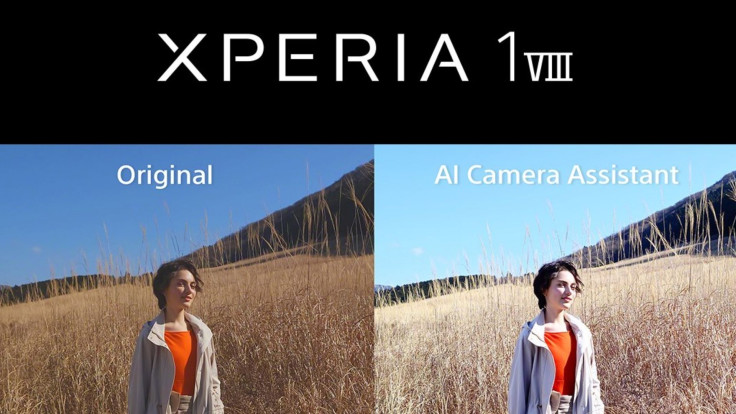
Sony has come under fire after promoting its new AI Camera Assistant feature on Xperia smartphones, with critics calling the example images 'insanely bad' and questioning whether anyone actually approved the marketing materials.
The backlash zeroes in on the company's Xperia Intelligence system, which uses artificial intelligence to adjust colour, exposure, bokeh, and lens effects based on scene, subject, and weather recognition to 'bring stories to life.'
The reaction this week followed Sony's promotional materials showcasing what the company describes as an AI-driven photography experience designed to help users produce more expressive images. The feature automatically suggests creative settings, while still allowing manual adjustments such as white balance, saturation, and contrast.
But for those who commented, the results shown in the promotional comparisons did not inspire confidence.
Sony Xperia AI Camera Assistant Faces Online Backlash
Sony is pitching a system that tries to act like a smart photography guide. The AI analyses what you are shooting and then suggests edits to make the image look more 'cinematic' or visually striking. It is meant to simplify professional-style photography for everyday users, supported by Sony's larger sensors, including 48 MP hardware and pixel-binning technology designed to improve low-light performance.
The new AI Camera Assistant* with Xperia Intelligence brings stories to life. Using subject, scene and weather, it suggests expressive options with adjustments of colour, exposure, bokeh, and lens for breathtaking photos*.https://t.co/zgSQ9MLWFP#SonyXperia #Xperia1VIII pic.twitter.com/1dsBeCNvhE
— Sony | Xperia (@sonyxperia) May 14, 2026
However, the reaction to the sample outputs has been overwhelmingly negative in some corners of the internet.
One user described confusion over the company's decision-making, writing, 'What the heck is going on with Sony? Who even approved this post? The AI photos looks insanely bad.'
Another comment focused on image brightness and clarity, stating, 'The AI camera assistant pictures look quite dark. Your engineers need to up that brightness more.'
A more emotional response rejected the concept entirely, saying, 'This looks fucking awful stop promoting this shit... we don't need AI processing we need large camera sensors stop trying to go with the fucking trend of AI these images look fucking worse.'
Others echoed similar frustration, arguing that the promotional images appeared overly processed or poorly balanced. One reaction bluntly stated, 'If this is intelligence, I'd prefer my phone dumb.'
There were also accusations that the sample comparison did not accurately reflect the actual photographic improvement. One user wrote, 'This is insanely and absolutely fucking dogshit garbage... Had to check the date if it's April fools or some weird prank.' Some even suggested it must've been a 'satire' post.
How is this not satire https://t.co/blBcw7iMJh pic.twitter.com/40Qm12G6Yt
— Bob Wulff (@BobWulff) May 14, 2026
Another simply said, 'There's no way the team thought it was a good idea to post these garbage comparisons lmao.'
And the criticism was not only about image quality, but also about trust. One post argued, 'this features had to have been approved by AI because there's no way a human saw that all the colors and shadows have been washed out and thought 'yeah, let's ship this.'
A more dramatic reaction claimed, 'this is one way to completely destroy photography.'
What Sony Says the AI Camera Is Actually Meant to Do
Sony's official description paints a very different picture. The AI Camera Assistant is designed to help users 'bring your vision to life' by analysing a subject, scene, and even weather conditions, then suggesting adjustments across colour, exposure, and lens choice.
The system is also built on what Sony calls 'Alpha' camera technology, with features such as real-time eye autofocus, multi-frame RAW processing, and improved telephoto sensors intended to enhance low-light performance and dynamic range.
The company highlights professional-style controls as a key part of the experience, including manual settings for exposure and shutter speed, as well as preset 'creative looks' intended to mimic cinematic styles.
In theory, the goal is not to replace photography skills but to streamline them, offering guided enhancements while still allowing users to take full control. However, the general consensus seems to be that it should not touch any photos at all.
© Copyright IBTimes 2026. All rights reserved.