

Forget Souvenir Shops: Travellers Are Flocking to Foreign Supermarkets, Here's What to Buy in Every Country
Hilton says 77% of holidaymakers browse supermarkets abroad, but Britain's border rules stop butter and cheese coming home
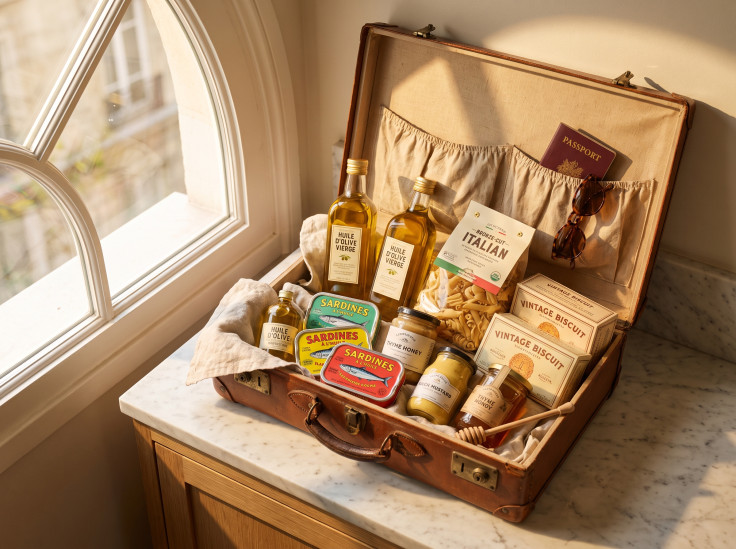
Holidaymakers who once bought fridge magnets are now visiting supermarkets on their trips. For many travellers, browsing a local grocery store is a way to find foods and products they cannot easily buy at home. Supermarkets are also free to enter and offer everyday prices. For British travellers, however, some of the most tempting products cannot legally be brought back to Great Britain.
Hilton surveyed more than 14,000 travellers across 14 countries for its 2026 Trends Report. Some 77 per cent said they enjoy exploring local grocery stores while abroad, while 48 per cent said they cook some of their own meals while travelling. Expedia Group's Unpack '25 research found that 60 per cent of Brits prioritise visiting a supermarket to buy local goods and delicacies. Sweets were the most popular purchase at 43 per cent, followed by condiments and spices at 20 per cent.
Several changes have made supermarket visits part of the holiday experience. Holiday lets and other accommodation with kitchens can make it easier to cook instead of eating out for every meal. Supermarkets are also free to enter, unlike many famous tourist attractions. Travel-related discussions about grocery shopping have also grown, with Skyscanner's analysis of Reddit data showing grocery-related conversations up 78 per cent in a year.
What to Buy in Paris, Rome, and Athens
Paris is one of the places where supermarket tourism has become especially popular. French butter has gone viral on TikTok, with Bordier butter among the products attracting attention. You can buy it at La Grande Épicerie on the Left Bank, but British travellers should not plan to bring it home because current Great Britain border rules prohibit personal imports of EU dairy products. Dijon mustard, Guérande sea salt, tinned sardines, and Petit Écolier biscuits are easier choices to bring home.
Italy is a good place to shop for products that travel well. Travellers can find bronze-cut pasta, Italian coffee such as Lavazza or Kimbo, dried porcini mushrooms, and bottles of olive oil. Mutti tomatoes are another popular choice, although a large jar can take up valuable luggage space. Parmigiano cheese and guanciale, a type of cured pork, cannot legally be brought home to Great Britain.
Greece offers plenty of products you can legally take home. Options include Kalamata olive oil, island thyme honey, dried oregano, halva, and pistachios from Aegina. Many of these products can be stored for months, making them useful souvenirs. Feta and graviera cheese, however, cannot be brought into Great Britain because they are dairy products.
What Visitors Take From London Shelves
The trend works in both directions, with tourists visiting British supermarkets to find foods they cannot easily buy at home. Popular choices include Marks & Spencer Percy Pigs, Colman's mustard, PG Tips, Soreen malt loaf, and McVitie's Digestives. These products are inexpensive but strongly associated with Britain, which makes them appealing souvenirs. Marmite is another example, especially for visitors familiar with Australia's Vegemite.
The Rule That Empties the Suitcase at the Border
For British travellers, the main problem is a food-safety rule rather than a customs tax. Since 12 April 2025, travellers arriving in Great Britain from EU countries have been prohibited from bringing in dairy products and meat from cattle, pigs, sheep, goats, and deer for personal use, subject to limited exemptions. The restrictions cover dairy products and meat from these animals, including cheese, butter, pork, beef, lamb, mutton, and venison. They were introduced to reduce the risk of foot-and-mouth disease entering Great Britain, following cases across Europe.
The rules were still listed on the government's guidance page, updated on 2 September 2026. Dr Jorge Martin-Almagro, the UK's Deputy Chief Veterinary Officer for international and trade affairs, said the government had extended restrictions on personal imports of food products that could pose a risk of transmitting foot-and-mouth disease. Northern Ireland has different rules from Great Britain.
Food that must not be brought in can be taken away and destroyed. Failing to declare banned food products can result in a fine of up to £5,000 in England, or prosecution. That means butter, cheese, and cured ham bought in the EU cannot simply be packed into a suitcase for the journey back to Great Britain.
Olive oil, honey, coffee, pasta, and biscuits are much safer choices for the suitcase. In the end, the supermarket trip can still provide a taste of the holiday, but the shopping list for British travellers is shorter than the one seen on TikTok.
© Copyright IBTimes 2026. All rights reserved.