

Christmas Market Scam: Fraudsters Pose as Organisers to Steal Stallholders' Pitch Fees
Banks can deduct £100 from scam refunds—twice the fake Dereham pitch fee
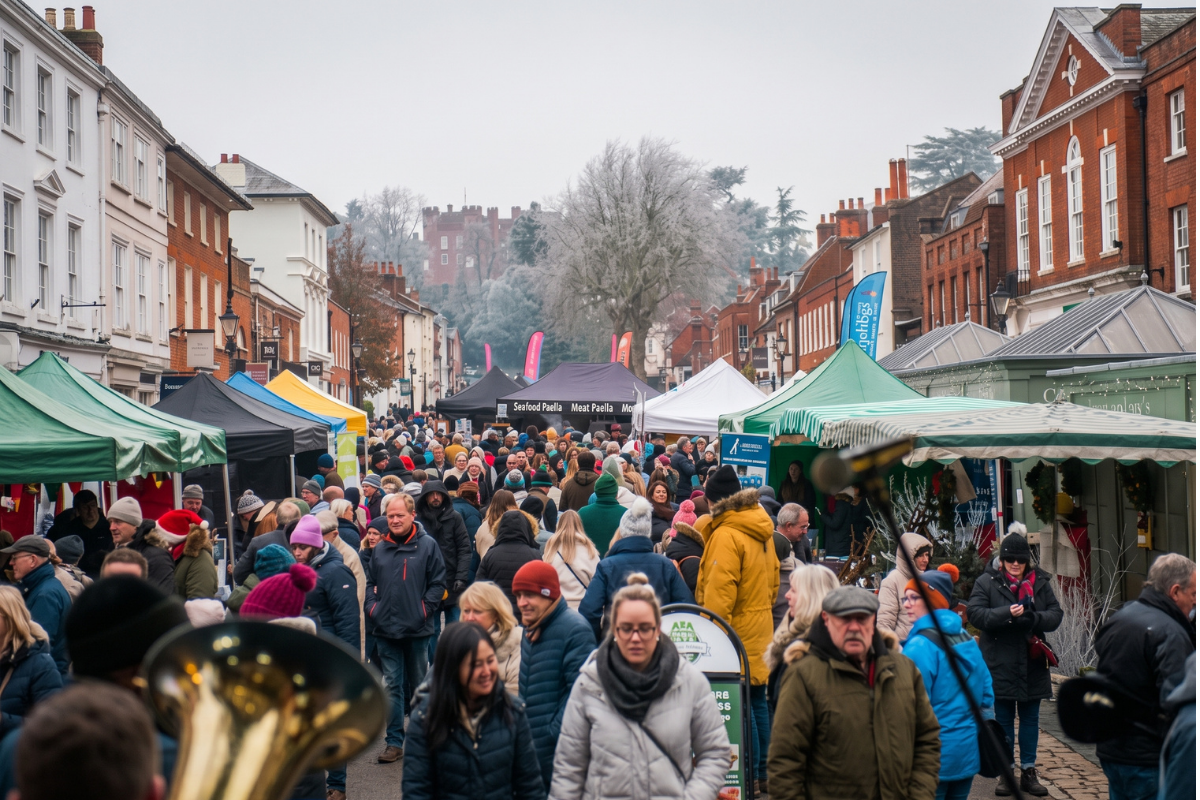
Fraudsters are posing as Christmas market organisers to take pitch fees from small traders, emailing fake booking invitations for a council-run market in Surrey and demanding £50 upfront for a Norfolk hotel's festive fair.
The same tactic has already cost traders money this year. In Wales, businesses paid fraudsters impersonating the Abergavenny Food Festival for pitches that did not exist.
Farnham Town Council said it first learned of the scam on 15 September, when a regular stallholder reported an email inviting them to book a stall at the Farnham Christmas Market and pay for it. A second stallholder received a similar email, clicked a link, and was sent an invoice, but became suspicious and alerted the council before paying. The council has not said how much the invoice demanded.
The emails came from a Gmail address rather than an official council account, the council said. A similar email circulated before its Farnham Food Festival on 27 September. The council said it knows of no one who has lost money.
It has reported the emails to Surrey Police, the bank linked to the payment request, and the government's phishing reporting service, and contacted its regular traders directly. Council leader George Murray said genuine messages 'will always come from an email address ending @farnham.gov.uk.'
The council's genuine booking process also uses invoices. Accepted stallholders pay by bank transfer or cheque within 28 days, and a standard 3m by 3m pitch costs £140 ($185) plus VAT. The market takes place on Sunday 13 December at a town centre site still to be confirmed because of infrastructure works.
In Norfolk, The George Hotel in Dereham said people had received emails claiming to be from the hotel, using its Christmas Mini Markets posters and demanding a £50 ($66) pitch fee. Its first Christmas market takes place at the venue on 28 November.
A spokesman said the emails were 'absolutely not us', adding that the hotel collects pitch fees on the day of the market and does not take them in advance. It has asked traders to check with it by phone or on Facebook before sharing details, and has not said whether anyone paid.
How Welsh Festival Traders Lost Their Pitch Fees
Andy Fryers, who coordinates the Abergavenny Food Festival, told ITV News the first reports came in June, of AI-generated posters on Facebook business pages. The festival posted a scam warning for producers on 22 July, according to Nation.Cymru. Stall applications for the 19 and 20 September event had closed at the end of March, and the fake offers claimed places had opened up because other vendors had dropped out.
Harriet Thomas, who runs the Abergavenny knitwear business Cosy Throws, had applied to the festival in previous years. She said follow-up emails used her name and showed detailed knowledge of the festival site, and she paid for a pitch.
On 28 August she announced on Facebook that she would have a stall. Only then did she see the festival's warning. 'My heart just sank,' she said. The amount she paid has not been reported.
Another local company paid £400 ($528) and bought stock before realising it had been scammed. The festival later found it space at a discounted price.
BBC Wales said it had seen scam emails using the branding and, in some cases, staff names of festivals in eight other places, including York, Ludlow, and St Fagans. It found no conclusive proof AI was involved. Fryers told the broadcaster the number and credibility of the scams had made this year 'much more difficult'.
What Scammed Stallholders Can Claim Back
Traders who pay a fake pitch fee by bank transfer may be able to recover it. Rules introduced by the Payment Systems Regulator in October 2024 require payment firms to reimburse victims of authorised push payment fraud, in which a person is tricked into sending money, on Faster Payments and CHAPS transfers.
The protection covers individuals, microenterprises, and charities, up to £85,000 ($112,200) per claim, and claims must be made within 13 months of the last payment. Firms may deduct an excess of up to £100 ($132), though they can reduce or waive it and cannot apply it to vulnerable customers. The maximum excess is twice the £50 fee demanded in the Dereham emails. Whether the Welsh traders have been reimbursed has not been reported.
Farnham Town Council has told traders not to click links in, reply to, or send money in response to suspicious emails. Anyone who has already paid should contact their bank. Suspicious emails can be forwarded to [email protected], and fraud reported to Report Fraud, the successor to Action Fraud, on 0300 123 2040.
No arrests have been reported in Farnham or Dereham, and neither the council nor the hotel has said how many traders were contacted.
© Copyright IBTimes 2026. All rights reserved.