

China Rejected 22 Tons of Argentine Beef Over a Banned Antibiotic as Trump Opens the Door to 300,000 Tons
Trump's beef gamble is triggering an unexpected revolt from MAGA ranchers, while Argentina's controversial beef connection adds another explosive twist to his 300,000-tonne import plan
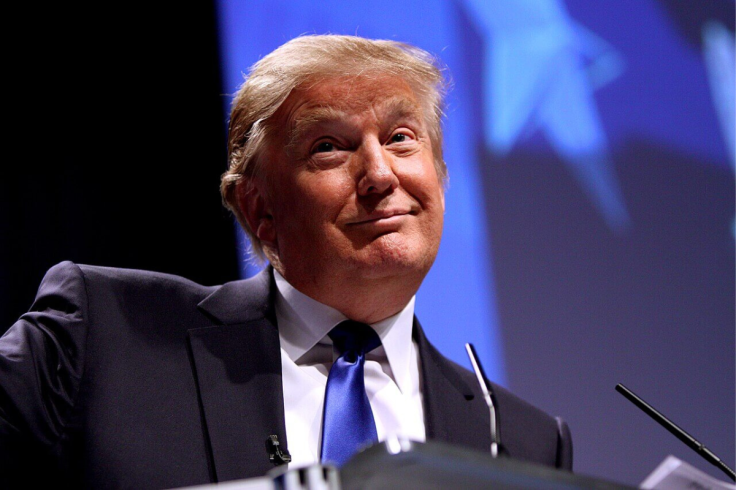
President Donald Trump's plan to allow up to 300,000 metric tonnes of foreign beef into the US has sparked an unusual backlash from Republican ranchers and cattle groups, who warn that cheaper imports could make it harder to rebuild America's depleted herd.
Trump says the move will lower grocery costs while giving American ranchers time to rebuild cattle supplies. Critics see a contradiction, arguing that increasing imports could weaken the incentive for US producers to expand.
The controversy also puts Argentina under scrutiny. In March, China rejected a 22-tonne shipment of Argentine beef after detecting chloramphenicol, an antibiotic prohibited for livestock use in Argentina. There is no evidence that this rejected shipment is connected to Trump's import plan.
Republican Senator from Montana. Trump constantly hurts farmers and ranchers. Then Republicans make us pay them billions in welfare to bail them out. pic.twitter.com/VuR8mGMMbH
— Ron Filipkowski (@RonFilipkowski) August 21, 2026
Trump's 300,000-Tonne Plan
On August 21, Trump announced that the US would allow up to 300,000 metric tonnes of product for ground beef to enter over 90 days without the additional out-of-quota tariff.
Trump said foreign exporters had committed to selling the beef at 25% below current market prices. The White House said an executive order with further details was expected within two weeks.
The plan concerns lean beef trimmings used for ground beef, rather than 300,000 tonnes of assorted beef cuts. Trump initially declined to identify the supplying countries, later naming Argentina as one of them.
That leaves a major question hanging over the Trump beef import plan: who exactly will supply the new imports?
MAGA Ranchers Push Back
The sharpest criticism has come from cattle producers and Republicans in ranching states.
Sen. Tim Sheehy, a Montana Republican and rancher, said he had advised Trump against the move for a year. He warned that the policy could make it harder for American ranchers to rebuild the herd, noting that many affected producers are 'MAGA Republicans'.
Sen. Deb Fischer of Nebraska also warned that flooding the market with foreign beef could hurt the livestock industry and undermine efforts to expand the US herd. Sen. Pete Ricketts of Nebraska similarly argued that short-term measures would not solve the industry's deeper problems.
The National Cattlemen's Beef Association has also criticised the plan. CEO Colin Woodall said below-market imported beef would not solve the underlying problem of rebuilding America's cattle herd.
First, the President paid Argentina $20 Billion to send beef here. Now he’s importing another 300,000 metric tons of foreign beef to undercut American cattlemen.
— Rep. Marcy Kaptur (@RepMarcyKaptur) August 21, 2026
That’s a slap in the face to ranchers, producers, and farmers in NW Ohio and across America. Consumers need long-term… https://t.co/HuZVaZ1pbX
America's Beef Supply Crisis
The pressure behind Trump's decision is real.
The US cattle herd has fallen to its lowest level since the 1950s, while ground beef prices have climbed sharply. July data put the average price at about $6.89 (£5.05) per pound. Tight supplies and strong demand have helped drive the increase.
Trump's argument is straightforward: bring in more beef now, ease prices, and give American ranchers time to rebuild.
But economists question how much difference 300,000 tonnes will make. Kansas State University economist Glynn Tonsor estimated the volume at roughly 3% of annual US beef consumption, while Texas A&M economist David Anderson questioned whether suppliers could redirect such a large quantity within 90 days.
The 25% Price Promise
Trump has promised that the imported beef will be sold 25% below current market prices.
But how much of that discount will reach shoppers remains unclear. The administration has not yet released all the details of how the programme will operate or how the savings will be passed through the supply chain.
That creates a crucial test for Trump's beef prices plan: will consumers actually see cheaper ground beef at the checkout?
The Argentine Beef Question
The Chinese rejection adds another layer, but it must be kept separate from Trump's imports.
On March 19, Chinese authorities suspended a 22-tonne shipment from ArreBeef in Pérez Millán, Buenos Aires province, after detecting chloramphenicol. Argentina's SENASA and other government bodies investigated the finding, with reports noting that officials considered possibilities including a false positive or cross-contamination.
Chloramphenicol has been prohibited for use in Argentine livestock since 1995. The incident involved a specific shipment and does not establish that Argentine beef generally is unsafe.
Separately, the Trump administration had already expanded US access for Argentine lean beef trimmings by 80,000 metric tonnes in February, making Argentina a documented part of its broader beef-import strategy.
For now, the facts leave one major question unanswered: who will supply the 300,000 tonnes, and will Trump's promised savings actually reach American shoppers without making it harder for US ranchers to rebuild the herd?
© Copyright IBTimes 2026. All rights reserved.