

Red Flags Raised After Latest ICE Shooting Reportedly 'Puts Everyone in a Little Bit More Danger'
Former acting ICE director says an ICE unit's expanded role and pressure to meet arrest targets may be contributing to aggressive tactics
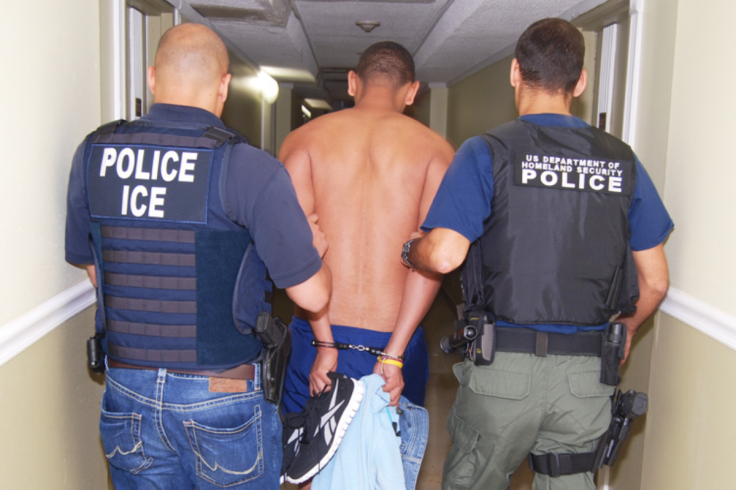
John Sandweg, a former acting director of Immigration and Customs Enforcement, raised red flags after a reported ICE shooting in Brooklyn, New York, injured 28-year-old Oscar Belgal during an attempted apprehension while his five-year-old son was in the car.
CNN reported that the bullet was still lodged in Belgal's neck and that his face was still numb after the incident.
The account places the shooting before Sandweg's interview on CNN, in which the former director questioned the tactics employed by the unit apparently involved.
Sandweg argued that the Immigration Enforcement Division unit had not historically undertaken the kind of work the Trump administration was asking it to do. His concerns centred on whether its agents had the experience and training for those operations.
Red Flags Over ICE Shooting Tactics
Sandweg linked the unit to almost every shooting he referenced, presenting its involvement as a concern extending beyond the incident in Brooklyn. He attributed that concern to the difference between its previous work and its current assignments.
'In fact, almost every single one of these shootings, it's been that particular unit,' Sandweg said. 'And so while the Secretary talks about how every agency does undercover operations, that is true, except this unit never historically did this. This is a new phenomenon we've seen in the trump administration. And what concerns former colleagues of mine at ICE and me is that we see this particular unit engaging in tactics that are outside of their experience and outside of their training, and that's reflected in the plans and the tactics and these aggressive uses of force.'
A Different Approach to ICE Apprehensions
Sandweg called for ICE to return primarily to taking people already held in prisons and jails into custody in a secure environment.
He also outlined how he believed operations outside those settings should proceed, proposing early-morning action outside a person's residence.
'The bottom line [is that] we need to see ICE revert back to those tactics that historically they did, which is primarily focusing on people who are already in prison and jail, taking them into custody in a secure environment there,' Sandweg said. 'And when you do these at-large operations, doing them in a way that's safe and secure, doing it early in the morning outside their residence.'
His proposed approach distinguished between apprehensions in detention settings and operations involving people at large. He also argued that pressure to meet arrest targets pushed agents to act aggressively and take risks they otherwise wouldn't.
ICE Arrest Pressure And Risks to Officers
'I think we have another political factor here driving a lot of this, and that is these quotas and this pressure that ICE is under to hit certain targets in terms of how many arrests,' he continued.
'I don't think we should underestimate the role that is playing in pushing these agents to be so aggressive and taking risks that they otherwise wouldn't take.'
Sandweg's warning extended beyond the people agents seek to arrest. 'It's not just risks to the immigrants who are being arrested ... it's a risk to the officers themselves,' he added. 'These tactics put everyone in a little bit more danger.'
© Copyright IBTimes 2026. All rights reserved.