Americans Are Giving Up US Citizenship as Expatriation Figures Surge – And It's Not Just Because of Trump
Political dissatisfaction, overseas tax obligations and a sharp cut in the renunciation fee may all be contributing to the rise, though the data do not establish one cause.
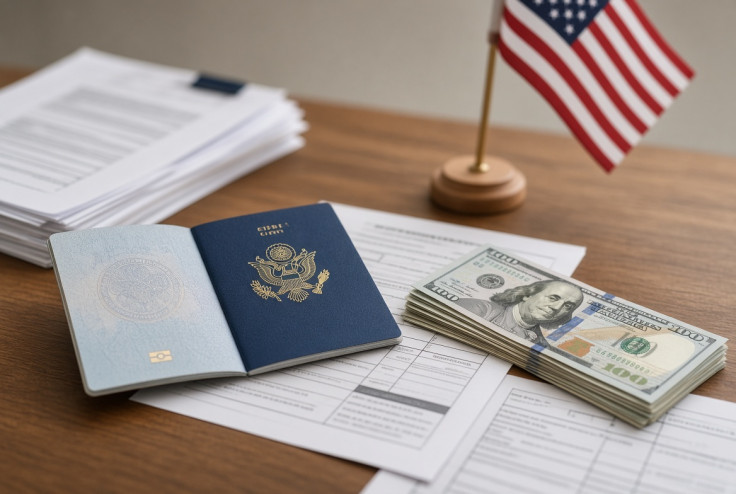
The number of people cutting formal ties with the United States is rising, with the latest expatriation figures reaching their highest level in six years.
President Donald Trump and the country's political direction have been cited by some Americans who have chosen to give up their citizenship. But politics is only part of the picture.
For Americans living overseas, US tax obligations have long complicated life abroad. And another major change could be contributing to the latest increase: renouncing US citizenship has become significantly cheaper.
A total of 5,790 names appeared on the US government's expatriation list over the past four quarters, according to an analysis of Federal Register data by Greenback Expat Tax Services.
However, that does not mean 5,790 Americans renounced their citizenship.
The list covers US citizens who have lost their citizenship as well as qualifying long-term residents whose US residency has ended under the relevant expatriation rules. It also reflects when the Treasury Department receives information about a change in status, rather than necessarily when the individual expatriated.
Trump Isn't The Only Reason Americans Are Leaving
Some Americans who have pursued renunciation previously told Newsweek that political dissatisfaction influenced their decision, including opposition to Trump and his policies. Others, however, pointed to the financial complications of remaining an American citizen while living overseas.
US citizens generally remain subject to US income tax on their worldwide income regardless of where they live, although foreign tax credits, exclusions, deductions and tax treaties can affect how much they ultimately owe.
The Foreign Account Tax Compliance Act (FATCA), enacted in 2010, also requires certain foreign financial institutions to report information about accounts held by US taxpayers.
Greenback's historical analysis found an average of just 452 names a year in expatriation records between 2000 and 2008. Numbers increased considerably in subsequent years, reaching 5,409 in 2016 and a modern-history high of 6,705 in 2020.
Renouncing US Citizenship Just Became Much Cheaper
Cost may also be playing a role in the latest increase. The State Department reduced the fee for renouncing US citizenship from $2,350 to $450 on 13 April, an 80% reduction. The fee had stood at $2,350 since 2015.
The latest figures rose sharply around the same period. Between April and June, 1,781 names appeared on the expatriation list, up 68.5% from the same quarter in 2025. The first-half total reached 3,243, a year-on-year increase of 38.5%.
That timing does not prove the lower fee caused the increase, but it has made formally giving up citizenship considerably less expensive.
Giving Up US Citizenship Comes With Consequences
Renouncing citizenship remains a serious legal decision.
Americans seeking to renounce must generally appear before a US diplomatic or consular officer abroad, complete the required documentation and take an oath of renunciation. The State Department must ultimately approve the loss of nationality.
There can also be tax consequences. Certain 'covered expatriates' may face special expatriation tax rules depending on factors including their net worth, tax liability and compliance with previous federal tax obligations.
Renunciation can also leave someone stateless if they do not already hold another nationality.
The available figures do not establish a single reason behind the increase. Political dissatisfaction, including opposition to Trump, has been cited by some former citizens, while taxes and the sharply reduced cost of renunciation are also part of the broader picture.
© Copyright IBTimes 2026. All rights reserved.
- Recommended For You