'Chills Voting Everywhere': Lawsuit Claims Trump Administration Threats of Armed Poll Agents Violate VRA
Lawsuit alleges Trump officials' statements could intimidate voters, while administration denies any nationwide polling plan
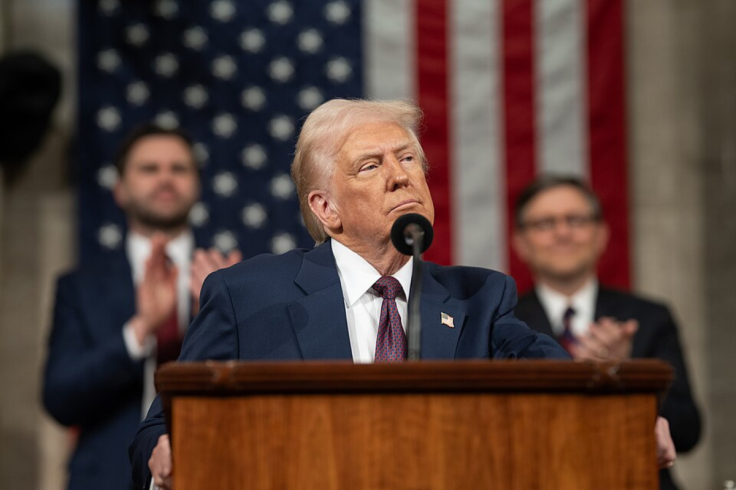
Democratic groups and congressional leaders filed a lawsuit on 23 September claiming that statements about armed ICE and FBI agents at US polling places could violate the Voting Rights Act and 'chill voting everywhere' ahead of the 2026 midterm elections.
The 29-page complaint was brought by the Democratic Senatorial Campaign Committee, Democratic Congressional Campaign Committee, Democratic Governors Association, Senate Democratic Leader Chuck Schumer and House Democratic Leader Hakeem Jeffries. The groups and lawmakers are seeking to prevent the Trump administration from deploying armed federal agents to voting sites during the midterm elections.
The plaintiffs allege that remarks by Trump administration officials amount to an unlawful 'Polling Place Policy'. However, the complaint does not establish that federal agents have been ordered to deploy nationwide, and the administration disputes that interpretation.
Why 'Chills Voting Everywhere' Matters
The lawsuit followed comments by Homeland Security Secretary Markwayne Mullin about the possible presence of Immigration and Customs Enforcement officers at polling locations.
On 1 September, Mullin said ICE agents would not patrol polling places. He said officers could be present if there was a threat to a polling location or if they were serving a warrant on someone they had been actively tracking.
'The only reason why we would be at polling places is if there is a threat to that polling place or we're serving a warrant on someone that we have been actively tracking down,' Mullin said.
The Department of Homeland Security separately said ICE was 'not planning operations targeting polling locations'. It added that an arrest could occur at a polling place if an active public-safety threat emerged there.
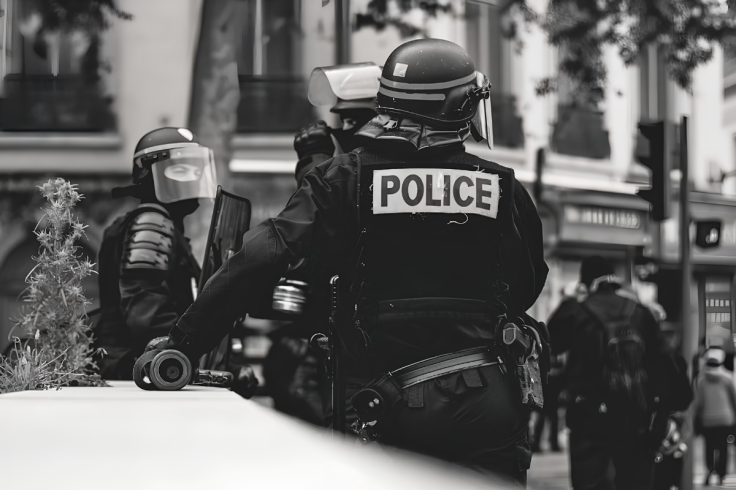
That distinction sits at the heart of the legal dispute. The plaintiffs argue that voters would not need to be arrested, questioned or directly approached for the presence, or threatened presence, of armed federal officers to intimidate them.
The complaint says the possibility of encountering armed agents could lead some voters to reconsider whether to cast a ballot. It also argues that uncertainty could affect voters who never encounter an officer, because they would not know whether agents might be present at their polling place.
The filing describes this alleged effect as one that 'chills voting everywhere'. That remains the plaintiffs' legal theory, not a court finding. No judge has ruled that the administration adopted the alleged policy or that its statements violate federal law.
What the Lawsuit Says About the Voting Rights Act
Section 11(b) of the Voting Rights Act, codified at 52 U.S.C. § 10307(b), prohibits intimidation, threats or coercion, as well as attempts to intimidate, threaten or coerce people for voting or trying to vote.
The provision also covers people urging or assisting others to vote. The Democratic plaintiffs argue that the possible presence of armed federal officers at voting locations could fall within that prohibition.
They say the concern may be particularly serious for naturalised citizens, immigrant voters and people from mixed-status families who could fear contact with immigration authorities.
The complaint also invokes 18 U.S.C. § 592. That law restricts the presence of 'troops or armed men' at places where a general or special election is being held, subject to an exception when such force is necessary to repel armed enemies of the United States.
The plaintiffs argue that the exception would not apply to the circumstances outlined in their complaint. The precise application of the statute to ICE and FBI personnel remains part of the legal dispute.
The groups ask the court to prevent federal law-enforcement agencies from deploying armed personnel at or near polling locations. Their requested order would also cover sites where ballots are taken, collected, received, counted or certified.
The proposed restrictions would apply during early voting, on Election Day and during post-election ballot-curing periods. The plaintiffs also want the court to set aside the alleged policy under the Administrative Procedure Act.
Administration Disputes Alleged Policy
The lawsuit cites President Donald Trump's statement that his administration would do 'anything necessary to make sure we have honest elections'. Trump made the comment in May after being asked whether he would consider sending National Guard troops or ICE agents to polling locations during the midterm elections.
The plaintiffs also refer to statements from other administration officials as evidence that federal agents could be deployed near election sites. They argue that those remarks and related conduct are sufficient to challenge what they describe as an existing policy.
The administration has rejected that characterisation. DHS has said ICE is not planning operations targeting polling locations, while Mullin has described possible intervention as limited to specific threats or warrants.
There is currently no confirmed nationwide plan to deploy ICE or FBI agents at polling places during the 2026 midterm elections. What has been confirmed is that federal officials have discussed circumstances in which agents could appear at voting locations, while DHS denies that ICE is planning operations aimed at polling sites.
The DSCC-led case is one of several legal challenges. The NAACP and other civil rights organisations filed a separate lawsuit on 18 September, arguing that federal agents could intimidate voters, including voters of colour and naturalised citizens.
Another case, filed earlier in September by the League of United Latin American Citizens and other groups, also challenges the potential deployment of ICE and other federal agents near polling places.
The latest complaint asks a federal judge to decide whether the administration's statements and actions amount to an unlawful policy, and whether armed personnel can be barred from locations connected with voting and ballot processing.
© Copyright IBTimes 2026. All rights reserved.
- Recommended For You