

US Visa Shock: Family Members' LinkedIn Profiles To Be Scrutinised
New US visa rules expand scrutiny to family members' LinkedIn and social media profiles — here's what it means

The US government has expanded visa vetting requirements to include scrutiny of accompanying family members' LinkedIn profiles and social media accounts, marking a significant shift in how consular officers assess H-1B applications.
The directive, issued via an internal State Department cable on 2 December 2025, targets applicants with backgrounds in content moderation, fact-checking, and online safety roles.
According to a classified cable first reported by Reuters and verified by additional outlets, the directive expands the scrutiny to sectors linked to content moderation, misinformation, online safety and digital trust work, raising concerns that entirely lawful professional roles could be construed as censorship under US law.
Civil rights advocates warn that the policy may chill speech and jeopardise family-based visas. The move reflects a wider crack in internet presence during visa adjudication under the Trump administration.
LinkedIn and Social Media Now Under the Microscope
The State Department cable, first reported by Reuters, instructs US consular officers worldwide to examine the LinkedIn accounts, CVs, and online profiles of both H-1B applicants and their accompanying family members. Officers must seek employment in sectors such as misinformation and disinformation management, content moderation, fact-checking, compliance, and online safety.
The directive states clearly: 'If you uncover evidence an applicant was responsible for, or complicit in, censorship or attempted censorship of protected expression in the United States, you should pursue a finding that the applicant is ineligible.'
From 15 December 2025, all H-1B visas and H-4 visa applicants must set their social media profiles to public for review. This includes platforms such as LinkedIn, Facebook, X (formerly Twitter), Instagram, and YouTube. The State Department has previously warned that keeping accounts private or lacking an online presence may lead to 'adverse inference' during adjudication.
Why Family Members Are Being Screened
The State Department has not commented directly on the leaked cable, but a spokesperson reiterated that consular decisions are national-security assessments based on 'any available information relevant to admissibility'.
The cable specifically notes that H-1B applicants warrant particular attention because they frequently work in 'social media or financial services companies involved in the suppression of protected expression.' By extending scrutiny to spouses and dependents on H-4 visas, the policy ensures that family connections to content moderation work do not go unexamined.
With national security at the forefront of the Trump administration, efforts have consistently been geared toward making the US visa process more rigorous. In this context, the State Department claims that using all available information will help ensure that no one who may cause harm to the United States is allowed into the country, even those who may have engaged in actions that could be considered inimical to freedom of speech under US law.
Possible Fallout: Career Tech H-1Bs to Entire Families
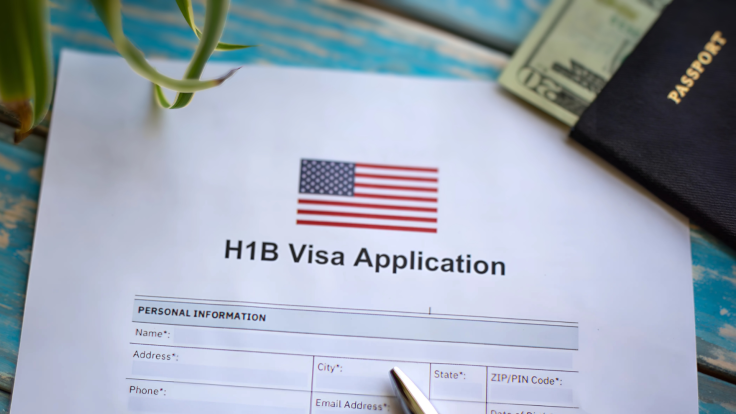
The new directive hits particularly hard employees in the tech, content moderation, trust-and-safety, fact-checking, and online media sectors. These industries are highly dependent on H-1B employees.
This would disadvantage many applicants who may have worked in content moderation, whether in the past or present, even if their job was merely to enforce community standards or delete offensive material.
Furthermore, there are concerns about the impact of reviewing the profiles of dependents, especially H-4 applicants whose work authorisation is based on being spouses of H-1B holders, as potential visa rejections or delays for spouses or children may disrupt entire families.
What Authorities Are Saying, and What Critics Warn
The State Department refused to comment on allegedly leaked internal documents but again said that visa adjudications are national security decisions that may take into account any information available, pertinent to an applicant's admissibility.
Concurrently, civil rights and free speech supporters claim the rules are excessive and threaten due process. The Knight First Amendment Institute at Columbia University described the policy as 'incoherent and unconstitutional,' noting that content-moderation employees are not 'censors' but rather guardians of speech standards.
Not Just Résumé Checks: A New Era Of Digital Scrutiny
The directive formalises what observers describe as an unprecedented extension of US visa-screening powers. What once resembled routine checks of employment history and social media presence has evolved into a full-scale audit of an applicant's and their family's online identities.
To visa applicants, especially those in the technology and media industry, moderation staff or online-safety positions, and their dependents who may wish to accompany them to the US, the message is simple: you are expected to be questioned, and you should always be ready to wait it out.
© Copyright IBTimes 2026. All rights reserved.
- MOST POPULAR IN World


