

Elon Musk Blasts H-1B Visa 'Gaming' — Says Shutting It Down Would Be a Disaster
Musk warns against shutting down H‑1B visas, calls for reform to stop system abuse instead
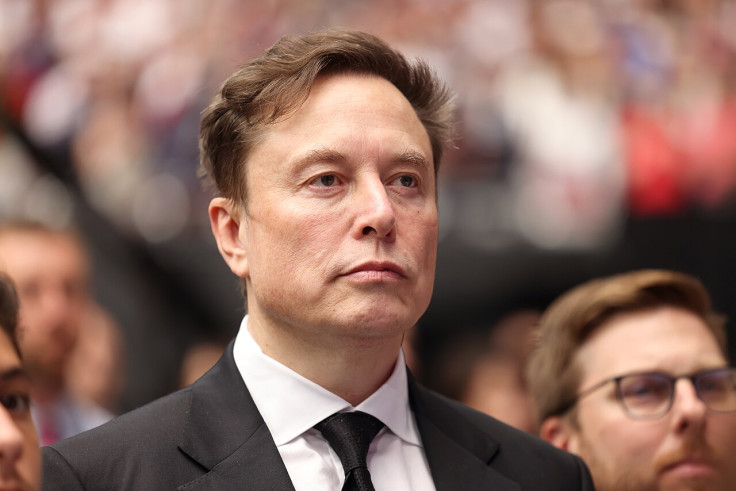
Elon Musk has reignited the national debate over the H-1B visa programme, calling out companies that he says are 'gaming the system' while urging policymakers not to dismantle the scheme entirely.
Speaking on a podcast hosted by Indian entrepreneur Nikhil Kamath, Musk said that misuse by certain outsourcing firms is undermining the programme's purpose, but maintained that shutting it down would cause severe harm to the US workforce and its competitiveness.
His remarks come amid a wave of political scrutiny and fresh data showing dramatic shifts in how H-1B visas are being used across the tech sector.
Musk: 'We Need to Stop Gaming' the System
Musk acknowledged that while the H‑1B visa scheme has enabled American firms to hire global talent, it has also been misused. As he put it, 'Some companies have gamed the system on the H-1B front, and we need to stop the gaming of the system.'
Despite his criticism of misuse, Musk warned against completely dismantling the programme — a stance held by some on the political right. 'I'm certainly not in the school of thought that we should shut down the H-1B programme,' he said. 'I think they don't realise that that would actually be very bad.'
He stressed that US companies, including his own ventures, often struggle to find sufficiently skilled workers domestically.
'I don't know how real that is,' Musk argued. 'My direct observation is that there's always a scarcity of talented people. We have a lot of difficulty finding enough talented people to get difficult tasks done, and so more talented people would be good.'
His firms, he suggested, rely on 'the most talented people in the world,' regardless of nationality.
New Data Shows Dramatic Shifts in H-1B Usage

Musk's remarks come as new industry data points to a structural change in H-1B patterns. A fresh analysis from the National Foundation for American Policy (NFAP) shows that Indian-based IT firms received just 4,573 new H-1B approvals in fiscal 2025, the lowest in 10 years.
This marks:
- a 70% drop from 2015
- a 37% drop from 2024
Instead, major US tech giants such as Amazon, Meta, Microsoft and Google now dominate new H-1B sponsorships—a shift analysts attribute to the surge in hiring foreign-trained graduates in AI, cloud computing and advanced hardware development.
Experts say several forces are driving the change:
- remote work reducing the need for relocation
- outsourcing companies scaling back visa petitions
- increased automation replacing certain entry-level roles
- a stronger strategic push to hire locally when feasible
Reform, Not Elimination: Musk's Prescription
Musk emphasised that while abuses should be addressed, the core purpose of the H-1B programme remains vital. He praised the contributions of Indian engineers and developers, calling their impact on US technology 'immense'.
He argued that policymakers should tighten oversight, penalise bad actors and ensure the visas go to genuinely high-skilled workers rather than being used as a mechanism for cheap labour. This stance reflects a broader trend among business leaders advocating modernisation rather than the destruction of the system.
What This Means for the Industry
For Indian‑based IT firms, the NFAP data suggests a steep decline in dependence on the H‑1B route for US staffing. Some are reportedly focusing more on remote service delivery or hiring US-based employees.
For US tech companies, especially those engaged in AI and high‑end software development, the visa remains a vital channel, though increasingly subject to scrutiny.
If reforms recommended by voices like Musk's are implemented—stricter oversight, penalties for abuse, and transparent hiring practices—the H‑1B programme might enter a new phase: one in which it continues to facilitate global talent flow while reducing misuse.
In the current climate of immigration debate and labour‑market shifts, Elon Musk's take offers a nuanced perspective: defend what works, but fix what's broken.
© Copyright IBTimes 2026. All rights reserved.