

Whistleblower Warns Trump-Ordered USPS Barcode Rule's 'Zero Percent Fail Rate' Could Doom Millions of Ballots
Whistleblower reveals potential disenfranchisement risk due to USPS barcode policy
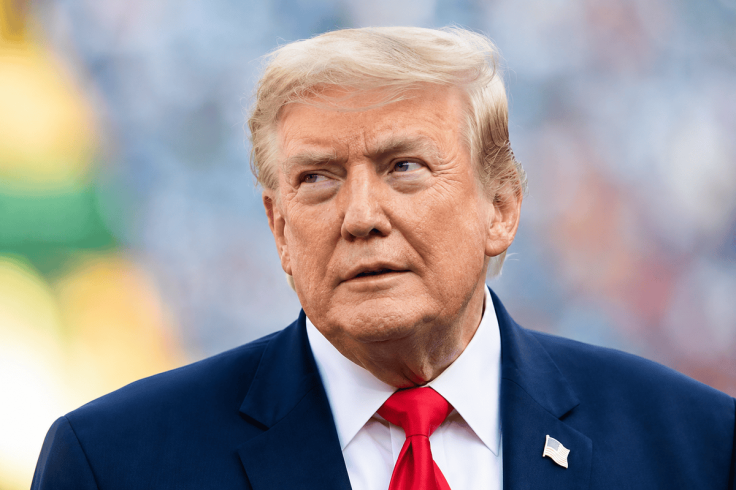
An anonymous whistleblower has warned that a Trump-ordered United States Postal Service barcode rule, which reportedly enforces a 'zero per cent failure' standard, could stop millions of mail-in ballots from being delivered in November's midterm elections.
In a report submitted to Senator Richard Blumenthal this week, the whistleblower claimed that a single scanning error in a batch of election mail could invalidate the entire bundle and force postal workers to return it to local officials.
The Postal Service finalised a new policy based on a 31 March executive order from President Donald Trump, restricting mail-in voting to states complying with strict federal reporting requirements.
Assessing the Impact of the USPS Barcode Rule
The regulation forces local election administrators to submit voter addresses into a newly established federal portal. Only voters cleared through this database will receive ballots in envelopes marked with special federal barcodes.
Whistleblower Aid, the legal group representing the federal official, warned of a foreseeable disruption to nationwide elections, alleging that the administration has concealed the high probability that these verification processes will result in major delivery failures.
The primary issue lies in the strict enforcement mechanism, which voting rights advocates argue adds administrative hurdles. The United States Postal Service is allegedly implementing a 'zero per cent failure policy' for these newly mandated barcodes.
If a postal scanner fails to read even one barcode in a large bundle of election mail, the entire batch is rejected. The whistleblower noted that predictable errors in any scanning process make this standard difficult to meet, creating a bottleneck that could affect the midterms.
Legal Battles Over the Rule's Implementation
The judicial trajectory of this policy has been fractured. Lower courts initially halted the mandate over the summer before the Supreme Court ruled in a 6–3 decision to lift an injunction, noting that the states' initial lawsuits were premature because the rule was only proposed.
However, once the Postal Service officially finalised the rule in late August, Democratic attorneys general immediately updated their legal challenges.
This shift prompted Judge Indira Talwani to issue a fresh 14-day restraining order.
She determined that government arguments were outweighed by the risk of widespread disenfranchisement of citizens who need access to mail-in ballots to vote.
A federal appeals court is currently weighing whether to lift her temporary order. The debate over whether the mandate will be active for the midterms must be resolved urgently, given that some states begin mailing ballots as early as September.
How the USPS Rule Impacts the Electorate
Voters do not need to take extra steps under the new framework, but they bear the ultimate risk of the administrative burden placed on local officials.
The rule demands that election boards design new envelopes, secure federal approval, train staff on the new portal and upload citizen data at least 30 days before the election. In her ruling, Judge Talwani noted that states lack the time and funds to achieve this timeline, raising concerns about subsequent postal delays.
The Postal Service has maintained that the policy is not intended to facilitate voter suppression, claiming it will merely process the data provided without actively verifying voter eligibility.
While Postmaster General David Steiner previously testified to Congress that he would comply with court orders regarding voting by mail, the agency has faced criticism for finalising the 95-page rule despite ongoing legal injunctions.
Voting rights groups argue the logistical reality tells a different story. Disabled voters and senior citizens face heightened risks if batches of mail are returned over a single error.
With early voting deadlines approaching, the primary question is not just whether the courts will strike down the mandate permanently, but how the new administrative requirements might ultimately impact the successful delivery of ballots.
© Copyright IBTimes 2026. All rights reserved.