

Elon Musk Settles Lawsuit Over $1M Voter Giveaway After Lawyers Admit Winners Weren't Chosen Randomly
The undisclosed agreements await court approval, resolving two Arizona voters' claims over the 2024 promotion
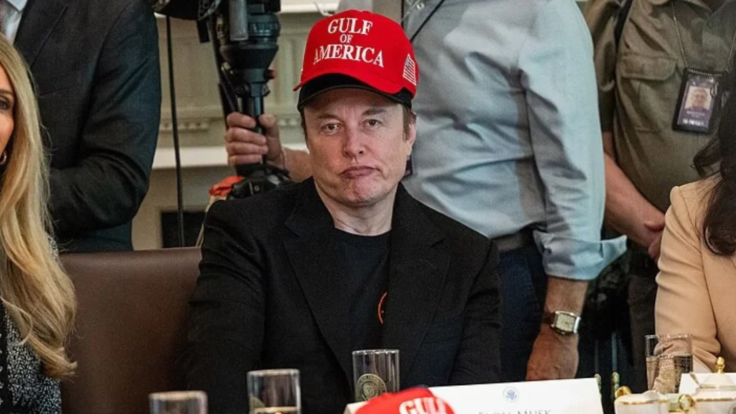
Elon Musk and his political action committee, America PAC, have agreed to settle two proposed class-action lawsuits over the billionaire's 2024 election giveaway, following earlier court statements that winners were selected for their potential to serve as spokespeople rather than through a random draw.
The settlement notices were filed on 15 October 2026 in federal court in Austin, Texas. The agreements' terms were not disclosed, and they remain subject to approval by Judge Robert Pittman of the US District Court for the Western District of Texas.
The cases were brought by Arizona residents Joy Harvick and Jacqueline McAferty, who alleged that they were misled about how recipients of the $1 million (£750,000) payments would be chosen. Musk and America PAC have denied wrongdoing.
How the Giveaway Was Presented
In the final weeks before the November 2024 US presidential election, Musk promoted daily $1 million (£750,000) giveaways to registered voters in battleground states who signed a petition supporting the US Constitution. The initiative ran as Musk publicly backed Republican candidate Donald Trump.
The promotion drew attention because it combined a large cash incentive with a political petition and the collection of participants' personal information. The plaintiffs said they understood that signing up gave them a fair chance of being selected at random.
Harvick and McAferty argued that they would not have signed the petition or shared their personal information had they known how recipients would actually be chosen. Their claims focused on the difference between the public presentation of the giveaway and the selection process they said was used.
Why Selection Became the Dispute
The selection method became central to the litigation after Musk's lawyers said in earlier court proceedings that recipients were not chosen by chance. Instead, they were assessed for their suitability as public spokespeople for America PAC.
That distinction matters because the plaintiffs' allegations rested partly on their understanding that the money would be awarded through a random process. They alleged that the promotion gave participants a misleading impression of their prospects of receiving a payment.
The court proceedings did not establish a final finding that Musk or America PAC committed fraud. The defendants disputed the allegations, and the settlement does not, by itself, establish liability or confirm the plaintiffs' claims.
What the Settlement Leaves Unresolved
The agreements bring the two cases closer to resolution, but important details remain unavailable. The filings do not disclose whether either side will make a payment, whether other conditions were agreed or whether the defendants accepted any responsibility.
Judge Pittman must approve the settlements before the cases can be treated as fully concluded. Until that approval is confirmed, it would be premature to describe the litigation as definitively over.
The dispute also sits within a broader debate about the use of cash incentives in election campaigns. The US Department of Justice warned in 2024 that the giveaway could raise questions under federal laws restricting payments connected to voting. Separately, a Philadelphia legal challenge sought to stop the promotion, but a judge allowed it to proceed before Election Day.
Those separate episodes are not findings of liability in the two Texas cases. The immediate legal outcome turns on the settlement terms and the court's decision on approval.
© Copyright IBTimes 2026. All rights reserved.