DeafBlind Woman Was Told She Couldn't Be a Doctor, Now She's Made History as Britain's First
The former team GB swimmer now plans a career in palliative care
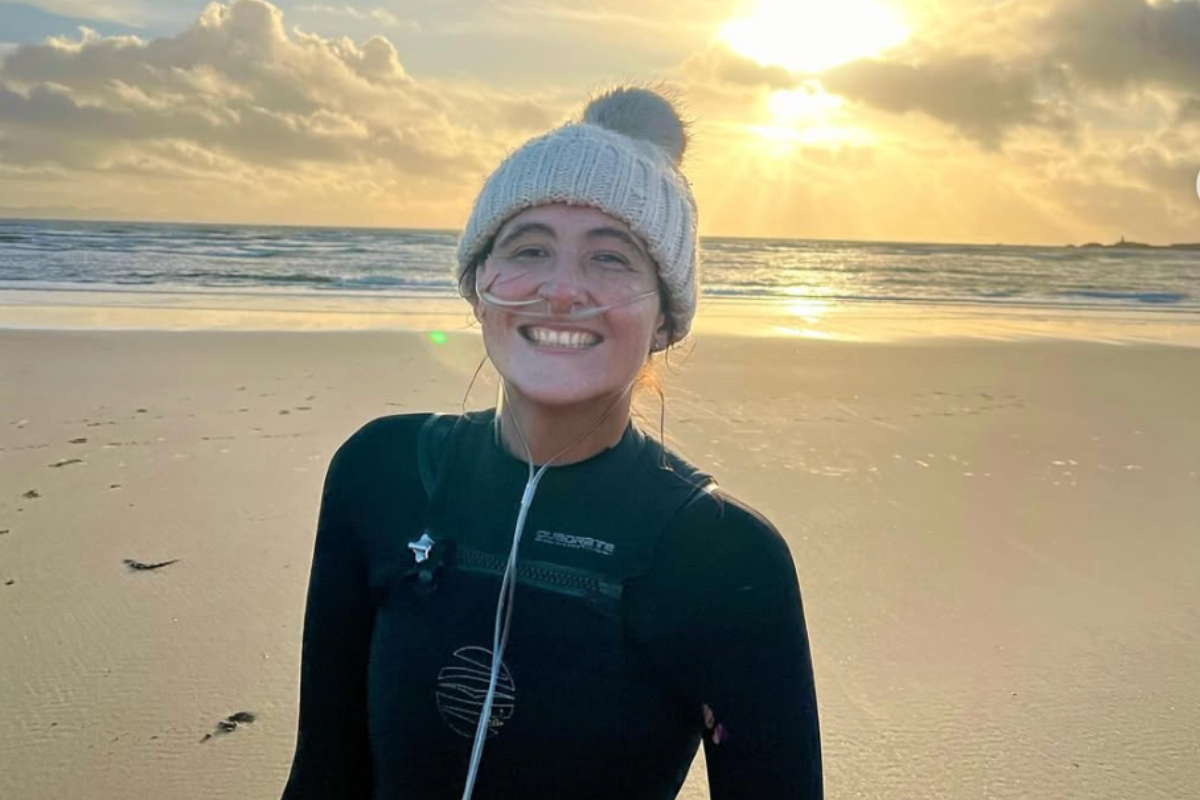
Alexandra Adams was months from qualifying as a doctor when she was told she could not do the job because she was deafblind. She had heard versions of that message for years. This summer she qualified anyway, becoming the first deafblind doctor in the United Kingdom. No deafblind medic had qualified in Britain before her.
The 32-year-old from Kent came through more than a decade of study at Cardiff University Medical School, a period broken up by long spells in hospital and, she says, by disability discrimination. She marked the milestone in July, graduating with her medical degree from Cardiff University and collecting a master's in creative writing from Northeastern University London, where she crossed the stage at the Barbican Centre to booming applause, and called the culmination 'surreal' and 'absolutely mad'.
Adams has under 5 per cent central vision in her left eye and none at all in her right, along with severe-to-profound hearing loss that has meant hearing aids since the age of two. She uses a white cane, is effectively blind in the dark, and lives with Ehlers-Danlos Syndrome, a genetic condition affecting connective tissue. She rejects any suggestion that this rules out a career in medicine.
From Team GB Pool to Britain's First DeafBlind Doctor
Adams did not set out to be a doctor. As a teenager she trained on the Team GB swimming programme, aiming for the London 2012 Paralympics. That ambition ended after surgery went wrong, leaving her bedridden for long stretches and costing her the chance to sit her A-Levels on schedule. She taught herself the qualifications later.
It was from a hospital bed that medicine took hold as an ambition. The NHS staff who treated her, she has said, showed her the kind of doctor she wanted to be.
The training that followed was long and often interrupted. During the pandemic she spent 17 months in hospital and was forced to take two and a half years out of medical school before resuming her studies.
The Doubts a DeafBlind Doctor Had to Outlast
The biggest barriers, she has said, were people's attitudes rather than the demands of medicine itself. 'I never saw myself as any different,' she told the ITV daytime show This Morning the day after graduating. That outlook shifted, she said, once she reached clinical training and met open scepticism about whether a deafblind medic could practise.
On one early placement, she has recounted, a senior doctor questioned whether patients would want a disabled medic, then sent her home. Close to qualifying, she was forced to take a break and briefly believed her ambition was over. 'At the time, I genuinely thought it was the end of the road,' she has said of the period when she began looking for other work.
Rather than give up, she came to see her deafblindness as an advantage. 'I realised that maybe I had something slightly unique.'
She often returns to one line: 'I have less eyesight than most, but more insight than many.'
Patients, she has found, tend to respond warmly, something she puts down to the years she has spent on the other side of the ward as a patient herself. She has also said her heightened senses help her notice what others miss, including conditions colleagues had overlooked.
The tools she relies on are practical, chief among them a Bluetooth stethoscope that streams a patient's heartbeat straight to her hearing aids. A short clip explaining the device has been watched about 2.9M times on TikTok.
Adams now plans to specialise in palliative or geriatric care, choices she frames around safety and realism. Away from the ward, she speaks publicly about disability and is finishing a memoir about her journey, from the pool to the hospital wards.
She described starting work as both terrifying and exciting, and said she was simply happy to be getting on with the job.
© Copyright IBTimes 2026. All rights reserved.
- Recommended For You