

UK ILR Rules 2026: Who Qualifies for Five-Year Settlement After Shabana Mahmood's U-Turn?
Home Secretary Shabana Mahmood has announced revised UK settlement proposals
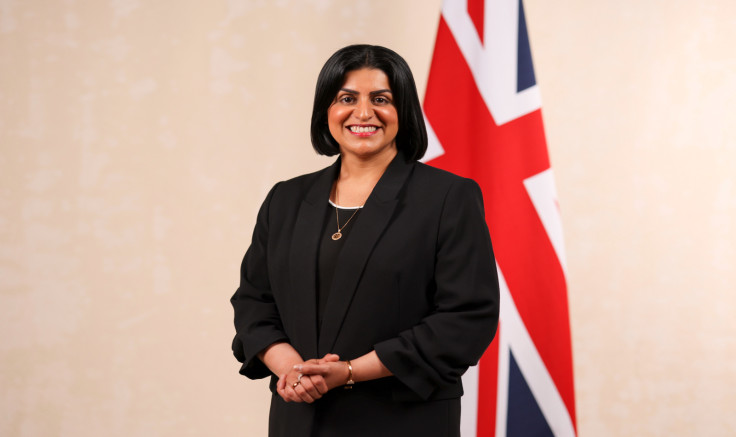
Thousands of migrants who moved to Britain expecting permanent settlement after five years have faced uncertainty over proposed changes to immigration rules. Many have already spent years working, paying taxes and building their lives in the UK, only to face the possibility of waiting considerably longer for indefinite leave to remain (ILR).
Following months of criticism from Labour MPs, unions and care-sector representatives, Home Secretary Shabana Mahmood announced revised plans on Monday. The changes offer concessions to certain workers, particularly those in social care, while retaining longer settlement periods and stricter eligibility requirements for hundreds of thousands of other migrants.
Who Qualifies for Five-Year ILR Under the New Rules?
Under the government's revised 'earned settlement' proposals, most migrants will face a 10-year wait for indefinite leave to remain, replacing the existing five-year standard. However, several groups will retain faster routes. Care workers who joined the relevant visa routes before May 2025, earned at least £25,000 annually and complied with their visa conditions can apply after five years.
According to the Home Office, the concession recognises workers who supported Britain's care sector during the COVID-19 pandemic. The five-year pathway will also remain available to doctors, nurses, teachers and certain other public-service workers.
Migrants earning more than £50,271 annually will qualify after five years, while the highest earners, including those earning above £125,000, could settle within three years. Family members of British citizens and Hong Kong British Nationals (Overseas) will retain their existing settlement routes. Refugees entering through designated safe and legal routes will also remain eligible after five years.
Why Mahmood Reversed the 15-Year ILR Plan
The original proposals would have forced many lower-paid care workers to wait 15 years before applying for settlement. That prospect prompted opposition from Labour backbenchers, health unions and senior political figures, including Angela Rayner.
The revised policy could benefit approximately 146,000 care workers and 136,000 dependants, according to government estimates reported by The Guardian.
Mahmood told Parliament that eligible workers had fulfilled their commitments when Britain needed additional care staff. Those who failed to meet their original visa conditions will instead be offered another five-year care visa, potentially allowing them to qualify later.
However, the Home Secretary maintained that the wider reforms would still delay settlement for more than 500,000 people.
New Requirements and Longer Waiting Periods
The reforms introduce stricter conditions for permanent settlement, including a clean criminal record, advanced English proficiency, no outstanding taxpayer debts and sustained National Insurance contributions.
Migrants who breach immigration rules could face waits of at least 20 years. Refugees outside approved safe and legal routes face a 20-year baseline, potentially reduced through work or study. Those entering clandestinely, including by small boat, could face an additional 10-year wai
The government argues that these measures will link settlement more closely to contribution and compliance. However, critics warn that applying new requirements to existing visa holders could leave families facing prolonged uncertainty.
Detailed Immigration Rules are expected from December 2026, with implementation planned throughout 2027. Until then, the announcement outlines the revised policy rather than immediately changing every migrant's existing settlement rights.
The Home Office has confirmed that people who already hold ILR will keep their settled status. For those still waiting, the final rules and transitional arrangements will determine whether their original five-year pathway remains available or a longer qualifying period applies.
© Copyright IBTimes 2026. All rights reserved.