

Apple Reportedly Lays off 147 Silicon Valley Engineers After Rare Vision Pro Product Flop
As disappointing consumer demand stalls the spatial computing flagship, Apple scales back immersive video teams and pivots focus toward lighter wearables
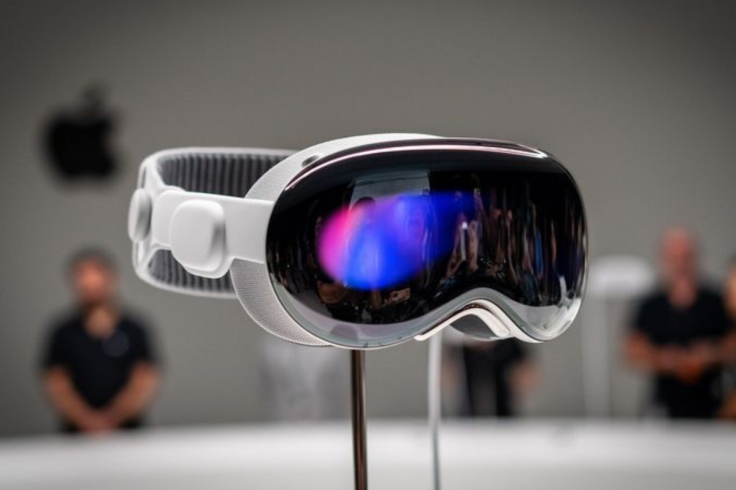
Apple has confirmed a significant strategic retreat in its spatial computing division by cutting 147 jobs across its Silicon Valley campuses, primarily affecting software engineers associated with the Vision Pro headset and augmented reality initiatives.
According to official California WARN filings, the workforce reductions span Apple Park in Cupertino alongside key facilities in Sunnyvale, with official separations scheduled to begin on 19 October. This rare public downsizing exposes the severe commercial limitations faced by the luxury mixed-reality device since its high-profile market debut.
Equipped with a steep $3,499 price tag, a bulky physical profile, and a restrictive application ecosystem, the hardware failed to capture widespread enthusiasm among mainstream consumers.
Consequently, corporate leaders are scaling back internal gaming and immersive video production teams while reallocating critical engineering talent toward lighter wearables and artificial intelligence systems.
The structural shake-up arrives at a pivotal juncture for the technology titan, occurring mere weeks before a high-stakes September hardware showcase and a historic executive transition in which long-serving chief executive Tim Cook will hand over leadership responsibilities.
Apple Layoffs Expose Vision Pro's Limits
According to the WARN notice, 79 of the affected roles are based at Apple's Cupertino campus, with 40 at one Sunnyvale office and 28 at another nearby site. While the filing lists headcount rather than job titles, people familiar with the matter have indicated that most are software engineers, many of them involved in augmented and virtual reality work.
The speculation that Apple had been cooling on the idea of a full-blown second-generation Vision Pro. Specialist outlets previously reported that plans for a direct successor had been shelved in favour of other, less bulky spatial computing devices. Nothing is confirmed yet, so everything should be taken with a grain of salt, but the latest cuts certainly line up with that narrative.
The two Sunnyvale locations appear to have been hit hardest on the immersive tech side. Staff there had been focused on building the software, visuals and experiences meant to convince people that wearing a computer on their face for hours at a time was worth it.
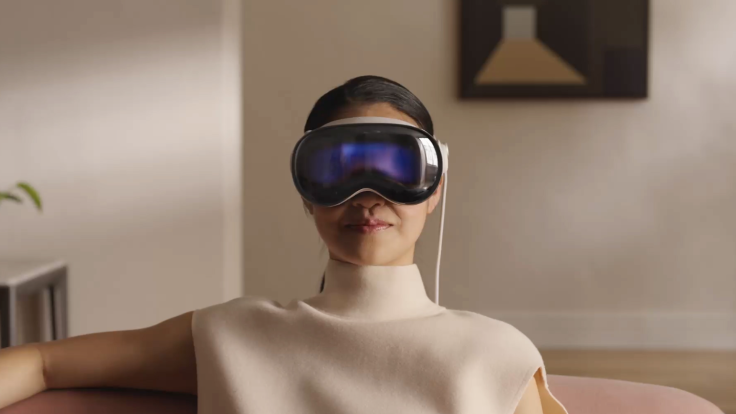
Apple has also reportedly trimmed teams working on Vision Pro gaming and immersive video, despite earlier heavy investment in premium sports, entertainment, and nature content designed to showcase the headset's capabilities.
It is a sharp contrast with the product's launch in San Francisco in February 2024. That day was dressed up like a historic Apple moment, yet reports from inside the flagship store suggested that staff and invited media outnumbered paying customers. For a company whose queues normally snake around the block, that was a warning sign hiding in plain sight.
Vision Pro Stalls as Apple Bets on Lighter Wearables
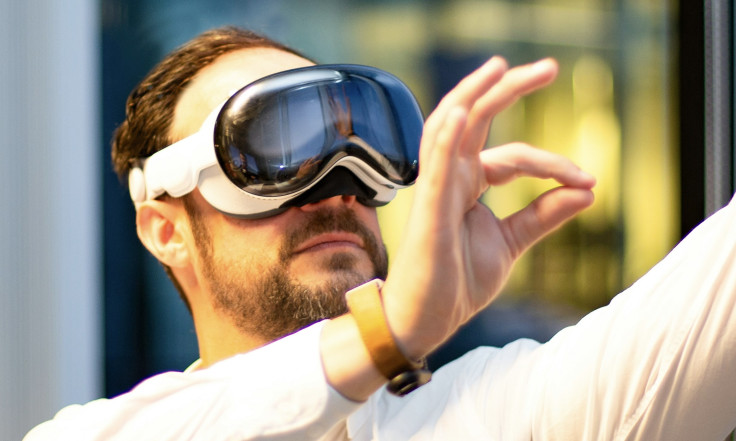
The Vision Pro was supposed to mark Apple's entry into a new era of computing, where users could pinch and swipe the air to navigate apps floating in front of their eyes. In practice, the combination of a heavy headset, high cost and limited everyday use cases has kept it squarely in niche territory.
The price alone made mainstream adoption a mad ask. At $3,499, the Vision Pro sits well above most home laptops and many high‑end smartphones. Add the physical weight on a user's head and the relative lack of compelling third‑party apps, and you have a product that many people were curious about, but few were prepared to actually buy.
As demand faltered, Apple tried to breathe new life into the line with an updated M5-powered Vision Pro. The refresh, however, has not delivered the kind of uplift in interest the company is used to seeing when it upgrades its core devices. The contrast with the iPhone cycle, where incremental changes can still drive huge queues, has been hard to ignore.
Against that backdrop, Apple is now believed to be shifting its focus towards lighter smart glasses that could use some of the same underlying technology without forcing users to strap on a hefty headset. Such glasses, in theory, could make augmented reality feel less like a sci‑fi demo and more like something you might actually wear on a commute.
The latest layoffs at the Vision Products Group appear to be a practical expression of that pivot. Projects tied to fully fledged goggles appear to be winding down, even as Apple continues to explore how augmented reality might yet become part of its long‑term hardware roadmap.
Job Cuts Arrive Ahead of New iPhone Launch and Leadership Shift
The timing of the cuts is striking. Apple is gearing up for its annual September showcase, where it is expected to unveil the iPhone 18 line‑up and, crucially, its first foldable iPhone. Those launches are likely to dominate the company's narrative with investors and fans, drawing attention back to the hardware family that still pays most of the bills.
Apple is preparing for a major change at the top. Chief executive Tim Cook, who has led the company for 15 years, is expected to step down, with senior vice president of hardware John Ternus tipped as his successor.
Whoever takes over will inherit a company still searching for its next defining product category after the iPhone, iPad and Apple Watch.
Apple did not respond to requests for comment on the 147 Silicon Valley layoffs or on its current plans for the Vision Pro and related projects.
For the engineers losing their jobs in October, the strategic reasoning offers limited comfort. Silicon Valley is used to churn, but when Apple, of all companies, starts quietly pulling back from a flagship device this quickly, people inside and outside the firm tend to notice.
© Copyright IBTimes 2026. All rights reserved.