Trump White House Reportedly 'Frustrated,' Searching for 'Magic Bullets' as Iran War Sends Gas Prices Soaring Before Midterms
Brent crude has climbed to about $109 a barrel, while households face sharply higher petrol and diesel costs as Republicans approach crucial elections

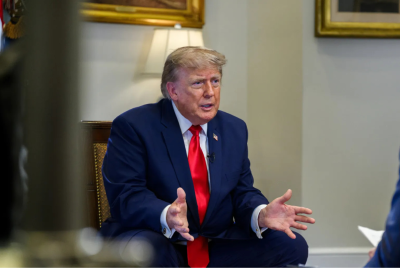
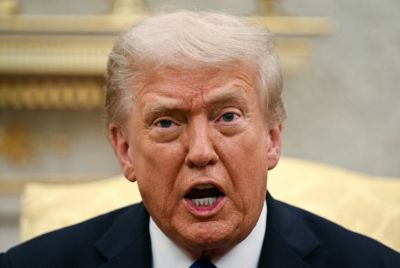
Donald Trump's White House is reportedly growing frustrated as officials search for 'magic bullets' to curb soaring fuel prices from the Iran war just weeks before Republicans face voters in the midterm elections.
The political pressure intensified on Monday as Brent crude climbed to around $109 (£80.85) a barrel while American motorists faced some of the highest fuel costs in years.
AAA put the national average for regular petrol at $4.32 (£3.20) a gallon on 14 September, up from $3.18 (£2.36) a year earlier. Diesel reached a record $6.23 (£4.62) a gallon, nearly 69 per cent higher than the same point last year.
White House Faces 'Frustration'
Former Trump economic adviser Stephen Moore told Politico that officials were struggling with a problem largely beyond Washington's immediate control. 'The mood in the White House is frustration they can't get this resolved,' Moore said.
He described expensive energy as a 'tax on the economy', threatening to overshadow positive financial indicators such as stock-market gains. 'The problem is there's not too much they can do about it,' Moore added. 'It's a global market, it's a global oil supply.'
Another outside energy adviser told Politico there was 'anxiety' around the administration as officials continued 'looking for magic bullets'.
The White House has explored using the Defense Production Act to boost domestic refining, but US refineries are already running near capacity. Interior Secretary Doug Burgum also said restricting American oil exports would be unlikely to bring prices down and could provoke retaliation from trading partners.
Iran War Has Cost Households Billions
The economic impact is already being felt far beyond petrol stations. Brown University's Iran War Energy Cost Tracker estimates Americans had spent more than $100 billion (£74.04 billion) in additional petrol and diesel costs by 7 September compared with what consumers would likely have paid without the conflict.
That amounts to more than $750 (£556.24) in extra costs for the average US household since the war began on 28 February. Fresh supply problems are adding to the pressure.
ExxonMobil temporarily shut its 264,000-barrel-per-day Joliet refinery in Illinois after a power outage on Sunday, with the company working to restore normal operations. Costco has meanwhile imposed purchase limits on some Kirkland Signature motor oil after prices surged amid tightening petroleum supplies.
Fuel Prices Become Midterm Liability
The timing could hardly be worse for Republicans. A new CBS News/YouGov Battleground Tracker found that inflation and prices are pushing voters against the party in power, while most voters prefer congressional candidates who oppose the Iran conflict.
CBS currently projects Democrats at 228 House seats, enough for a majority, although its modelling still leaves Republicans a path to retain control. Former Republican National Committee communications director Doug Heye recently described his party's midterm prospects as 'bleak'.
'Republicans know that their back is against the wall,' he told CNN. Trump has repeatedly suggested relief will come once the Iran conflict ends. But former defence secretary Leon Panetta warned this month that the stalemate could continue for at least another six months. With oil supplies still disrupted and no quick diplomatic breakthrough in sight, the administration's search for a solution is increasingly colliding with the electoral calendar.
© Copyright IBTimes 2026. All rights reserved.
- Recommended For You