

Chernobyl's Radiation Shield Shows Structural Weakness After Drone Strike, Raising Long-Term Safety Concerns
IAEA Confirms Chernobyl's Radiation Shield Has Lost Core Safety Functions After a Drone Strike.
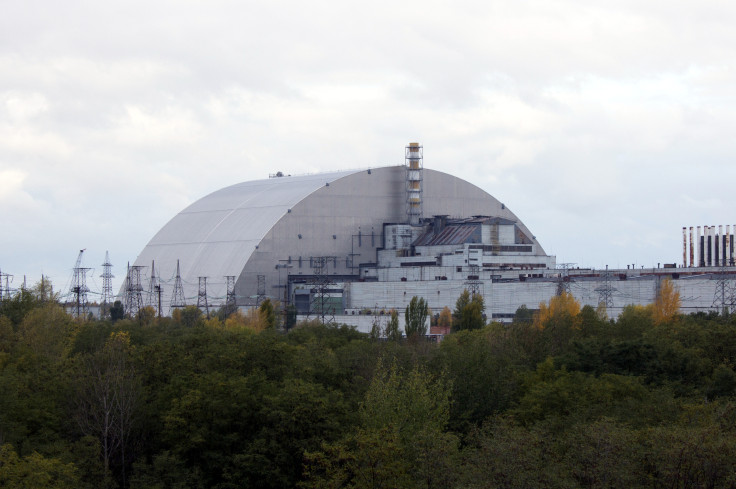
Structural weaknesses have emerged in the protective shield over Chernobyl's destroyed Reactor 4 following a February 2025 drone strike, raising significant long-term concerns about the security of the site and the durability of its containment systems.
The International Atomic Energy Agency (IAEA), which has maintained a presence at the site since the invasion of Ukraine, reported that the New Safe Confinement (NSC) structure no longer fulfils its 'primary safety functions' after the attack. The announcement came after months of inspections, monitoring and damage assessments that revealed deeper complications than initially believed.
According to the IAEA, while radiation levels have remained stable, the drone strike created structural breaches that compromise the NSC's ability to provide effective long-term enclosure. The strike ignited a fire, caused visible deformation, and pierced multiple layers of cladding intended to prevent the escape of radioactive particulates.
Damage to New Safe Confinement Raises Questions On Future Containment
The NSC, completed in 2019 after years of international collaboration, was engineered to shield the ageing 1986-era sarcophagus from weathering and to support future dismantling of the radioactive debris beneath.
Standing 108 metres high and 257 metres wide, the arch was designed for a lifespan of at least a century. Its compromise now casts doubt on whether that operational lifespan can still be achieved without major reconstruction.
The initial strike in February 2025 damaged the roof and inner panels of the structure. At the time, the incident appeared manageable. However, months of ongoing evaluation have shown that the blast caused a loss of structural integrity more substantial than first understood.
Concerns have intensified as specialists note that the NSC is critical not only for radiation containment but also for protecting workers conducting long-term decommissioning activities.
The Ukrainian nuclear regulator, backed by IAEA specialists, has warned that repair requirements may be extensive, technically demanding and prolonged.
The complexities include ensuring radiation safety during repairs, operating within an active conflict zone and replacing damaged structural elements at heights requiring specialised heavy machinery.
Escalating Risks in a Militarised Zone
Since the early stages of the war, Chernobyl has repeatedly been at risk from military activity. The February drone strike marked the first direct hit on the protective enclosure itself.
The IAEA has consistently stated that any attack on a nuclear facility, even one that no longer generates power, constitutes a severe breach of international nuclear safety standards.
Military experts have expressed growing concern that the Chernobyl exclusion zone may become increasingly vulnerable as drone warfare evolves. Precision attacks on infrastructure once thought too sensitive or too costly to target are now technologically feasible, amplifying the global nuclear risk landscape.
Financial and Technical Challenges Ahead
Repairing the NSC presents a formidable challenge. Restoring the damaged sections requires not only structural expertise but also strict radiation protocols, controlled access and continuous monitoring.
Preliminary cost estimates suggest that the work could require hundreds of millions of euros, far beyond the funds currently available through international Chernobyl support programmes.
Ukraine has called for additional international support, emphasising that safeguarding Chernobyl is not solely a national responsibility.
The site remains loaded with radioactive material, and any loss of containment capacity could have cross-border implications. With global attention divided across multiple crises, securing sustained financial commitments may be difficult.
Long-term Implications for Nuclear Safety in Conflict Zones
The damage to Chernobyl's radiation shield is a stark reminder of the fragility of nuclear safety infrastructure in war zones. The IAEA has repeatedly urged all states to recognise nuclear facilities as protected sites under international law, emphasising that deliberate or accidental damage could lead to consequences far beyond national borders.
For Chernobyl, the most pressing concern is preventing water ingress, structural fatigue and further deterioration. Even without additional attacks, the compromised structural integrity could accelerate corrosion or deformation, complicating future dismantling of radioactive materials inside the shelter.
Ukraine and the IAEA are expected to release a detailed long-term action plan in the coming months, but officials have already conceded that restoring the NSC to its original design performance will be challenging. Some experts warn that the incident may permanently alter how the world approaches nuclear safety in conflict conditions, potentially accelerating efforts to harden facilities against new forms of attack.
© Copyright IBTimes 2026. All rights reserved.