

Israeli Drone Kills Eight-Year-Old Girl in Gaza as 'Ceasefire' Death Toll Climbs Beyond 1,480 Palestinians
Local officials and Gaza's Health Ministry reported continued deaths and injuries, while more than 100 aid and rights groups said the truce exists 'in name only'
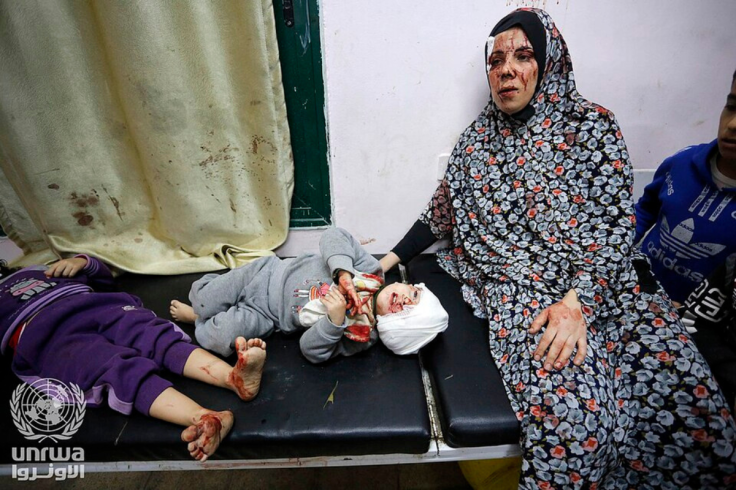
Eight-year-old Shahd Abdul-Razzaq al-Najjar was killed by an Israeli quadcopter drone in Gaza City on the first anniversary of the ceasefire that was meant to end the war.
Shahd Abdul-Razzaq al-Najjar was among at least eight Palestinians killed across the Gaza Strip on Saturday 10 October 2026, according to local officials cited by Al Jazeera. Gaza's Health Ministry says at least 1,481 Palestinians have been killed since the truce took effect a year ago.
More than 100 aid and rights groups say the ceasefire now exists 'in name only.'
Child Killed in Western Gaza City
Shahd was killed by a quadcopter drone in al-Jawazat, in western Gaza City, an ambulance and emergency services official said, Al Jazeera reported. Quadcopters are small remotely piloted drones that Israeli forces have used throughout the war.
Her death was one of several across the territory on the same day. A bombing near the Haider Abdel Shafi roundabout in Gaza City killed four people and wounded others, according to al-Shifa Hospital.
A drone strike in the Tuffah neighbourhood in north-eastern Gaza City killed another person, and a further death was reported in the northern Gaza Strip. In Khan Younis, a woman died of wounds sustained in an earlier Israeli attack that day.
The Israeli military had not commented on the girl's death in Al Jazeera's report.
More Than 1,480 Killed Since the Truce
Gaza's Health Ministry said at least 1,481 Palestinians had been killed and 5,254 injured during the ceasefire period. Al Jazeera dates the start of the truce to 10 October last year, while the ministry counts casualties from 11 October 2025.
Al Jazeera reported that at least nine people were killed and 65 injured in the 24 hours before Saturday's update, with one further death from earlier wounds.
The ministry puts the total killed since 7 October 2023 at 74,370, with 175,371 injured. UN agencies have used the ministry's figures in their reporting, although its aggregate totals do not distinguish between civilians and combatants.
Children have accounted for a significant share of the deaths since the ceasefire. At least 327 children have been killed since the truce began, according to Health Ministry figures cited by Save the Children, which said that amounted to close to one a day.
'The ceasefire remains in place on paper, but on the ground, the threat to civilians has not gone away,' Al Jazeera correspondent Ibrahim al-Khalili said, reporting from the site of a drone strike west of Gaza City.
'Exists in Name Only,' Say Aid Groups
On Friday, more than 100 humanitarian, human rights and civil society organisations said the US-backed ceasefire 'exists in name only.' Signatories included Amnesty International, Oxfam, the Norwegian Refugee Council and Save the Children.
The groups said Israeli forces continue to kill and injure Palestinians daily, while restrictions on aid, equipment and rebuilding materials prevent families from recovering. The groups said the Israeli military had moved the so-called Yellow Line, which marks the area under its control, deeper into Gaza than the withdrawal line in the agreement.
Citing UN humanitarian office (OCHA) data, they said the Israeli-held area had grown from about 53 per cent to about 63 per cent of the territory.
'A ceasefire is meaningless if children are still being killed and families are still unable to rebuild their lives,' said Inger Ashing, chief executive of Save the Children. Jan Egeland, secretary general of the Norwegian Refugee Council, said 'so little has improved' for Palestinians in the year since the deal was signed. Amnesty International secretary general Agnes Callamard added: 'Accountability cannot be swept under the rubble.'
Gaza Still in Ruins One Year On
Citing UN and other data, the organisations said more than 80 per cent of structures in Gaza are damaged, with more than two-thirds completely destroyed. Some 61 million tonnes of rubble remain, and an estimated 10,000 or more people are still buried beneath it.
None of Gaza's 36 hospitals is fully functioning, according to the statement. More than 18,500 patients need medical evacuation, including at least 4,000 children, and more than 1,000 people have died while waiting.
About 1.4 million people face crisis levels of hunger or worse through the end of the year, and more than nine in 10 households lack secure access to water. Less than 40 per cent of the 2026 humanitarian appeal had been funded as of July.
In September, 21 people, including 12 children, were killed when a damaged building collapsed in Gaza City.
Violence also continued in the occupied West Bank. The Palestinian Colonization and Wall Resistance Commission said it had recorded at least 12 settler attacks on Saturday morning.
Settlers reportedly beat farmers, used pepper spray on them, stole property and attacked homes. In Ramallah and el-Bireh, two farmers were beaten and pepper-sprayed, and settlers stole a vehicle and phones. The Wafa news agency reported that Israeli forces helped detain several Palestinians.
The Israeli military has said its strikes in Gaza target militants, although that explanation was not given for the specific incidents described in Al Jazeera's report.
For the al-Najjar family, the first anniversary of the ceasefire ended with the death of an eight-year-old girl.
© Copyright IBTimes 2026. All rights reserved.