Girls in Gaza Reportedly Married off To Alleged Rapists as Families Struggle for Food and Shelter, UN Warns
UNFPA says hunger, displacement, poverty and the collapse of education are increasing risks, while some sexual-violence survivors are reportedly pressured to marry alleged attackers

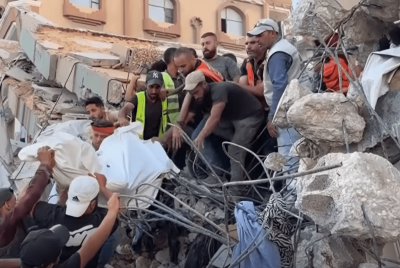
Girls as young as 12 are reportedly being forced into marriage in Gaza, with some girls reportedly being forced to marry their perpetrators as families struggle with hunger, displacement and the loss of their homes, according to United Nations findings.
The United Nations Population Fund (UNFPA) has reported increases in forced and early marriage and sexual violence amid Gaza's humanitarian crisis.
Its latest analysis, published on 10 September 2026, identifies worsening living conditions, inadequate shelter and limited access to essential services as factors exposing women and girls to abuse. The findings highlight how the consequences of the war extend beyond deaths and destruction.
Families facing severe poverty and insecurity are increasingly turning to early marriage as a perceived means of protecting their daughters or reducing household expenses, even as humanitarian organisations warn that such arrangements can expose girls to further violence.
Gaza Girls Reportedly Forced Into Marriage
A UNFPA analysis covering January to March 2026 documented growing concerns about forced marriage, including cases in which girls were reportedly forced to marry their perpetrators.
The report identified social stigma, economic hardship and the collapse of educational opportunities as factors contributing to the practice. Some families reportedly regard marriage as a way to avoid public scandal following sexual assault.
UN Women also reports that girls as young as 12 are being married in Gaza, with some reportedly forced into unions with their perpetrators. However, the available findings do not establish how many girls have been subjected to such arrangements or independently verify every reported allegation.
The latest UNFPA safety assessment highlights additional dangers in overcrowded displacement camps, where inadequate lighting, poor sanitation and a lack of privacy can increase women's exposure to violence while making it harder for survivors to seek confidential assistance.
Hunger and Displacement Drive Rise in Child Marriage
The scale of Gaza's child marriage crisis is becoming clearer through humanitarian records. In April, UNFPA reported that at least 400 girls aged 14 to 16 had received marriage permissions during a four-month period in 2025, based on paper records reviewed by partner organisations.
The agency warned that the actual figure could be considerably higher because many marriages take place informally and remain unregistered.
Before the war, child marriage in Palestine had declined from 26 per cent in 2009 to 11 per cent in 2022, but humanitarian organisations have reported growing pressure to marry girls amid displacement and poverty.
In a March UNFPA report, a girl identified as Amal described how her father agreed to marry her to a relative after her family was displaced. 'There was no wedding, no dress, no celebration,' she said. 'It felt like a deal to get rid of a burden.'
Her account illustrates the financial pressures behind some early marriages, although humanitarian organisations stress that marriage does not guarantee protection from abuse or poverty.
UN Warns Sexual Violence Is Underreported
The UNFPA's September safety audit found that psychological and emotional abuse accounted for 34 per cent of reported gender-based violence cases, while denial of resources, opportunities and services represented 32 per cent and physical assault 29 per cent.
The agency cautioned that reported-case data should be interpreted as an indication of trends in access and reporting rather than a complete measure of prevalence.
A subsequent April-June 2026 analysis reported an overall increase of approximately 27 per cent in reported GBV incidents compared with the previous quarter, with reported forced and early marriage also increasing. The figures reflect reported cases rather than the full extent of violence.
The agency cautioned that sexual violence remains substantially underreported because of stigma, fear of retaliation, inadequate confidentiality and disruption to justice, protection and referral systems. UNFPA has called for expanded protection services, financial assistance and safe spaces for women and girls.
Its recommendations also include improving shelter conditions and ensuring survivors can obtain confidential medical, psychological and legal support.
The findings underline a continuing challenge for humanitarian agencies: providing families with sufficient food, secure accommodation and access to essential services while protecting girls from exploitation and forced marriage.
© Copyright IBTimes 2026. All rights reserved.
- Recommended For You