'Stay With Me Tonight': Gaza Widow Allegedly Offered Shelter in Exchange for Sex, UN Report Reveals
UNFPA reports a 27% rise in reported gender-based violence incidents in Gaza

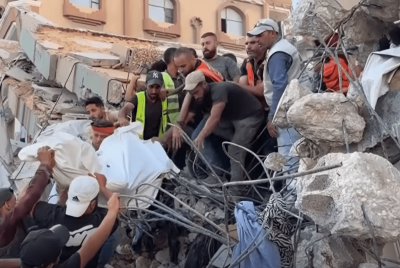
A Gaza widow seeking a tent was allegedly offered shelter if she agreed to stay the night with a camp representative, according to testimony recorded in a UNFPA-led gender-based violence (GBV) analysis.
The account offers a stark example of the vulnerabilities documented in the April to June 2026 report, which recorded increases in reported sexual violence and forced and early marriage amid displacement, overcrowding and shortages of basic resources.
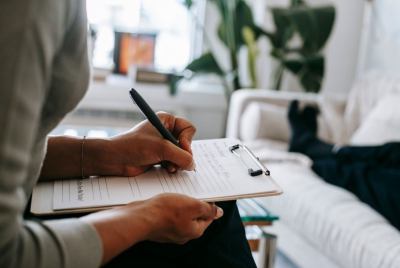
UNFPA cautions that the findings cover only cases reported to GBV service providers and do not represent the full scale of gender-based violence in Gaza.
Rising Gender-Based Violence in Gaza
The analysis found that the overall number of reported GBV incidents increased by 27% compared with the previous quarter. Sexual violence, including rape and sexual assault, accounted for 2.7% of reported incidents, up from 2.1%, representing a 61% increase in the number of reported cases.
Women aged 18 to 59 accounted for 76% of reported sexual-violence survivors, while adolescent girls represented 8%. UNFPA said the increase in reported sexual violence was linked partly to expanded confidential reporting mechanisms, greater awareness of services and the integration of sexual and reproductive health and GBV support.
The agency stressed that the figures are indicative rather than comprehensive, because stigma, insecurity and limited access to services can prevent cases from being reported.
Widows Face Greater Risks Amid Displacement
The report highlights how displacement, poverty, inadequate shelter and shortages of essential resources can increase women's vulnerability.
A woman interviewed in Gaza City recalled an alleged incident involving a widow searching for somewhere to stay.
'One widow was looking for a tent, and a [camp] representative told her, "I'll give you a tent, we'll put you in our camp, and you can come stay with me tonight,"' she said, according to the UNFPA findings.
The testimony was recorded as reported and does not establish the identity or actions of the alleged camp representative. UNFPA says GBV response actors record cases based on survivors' accounts and do not independently verify or investigate individual allegations.
The wider findings point to shelter insecurity as one of several factors increasing vulnerability. The report describes repeated displacement, overcrowded and inadequate shelters, poor sanitation and limited access to basic resources as conditions that can heighten protection risks.

Forced Marriage Also Rises
The analysis also recorded a 123% increase in reported forced and early marriage cases compared with January to March. Such cases accounted for 2.6% of reported GBV incidents, up from 2%.
UNFPA linked the increase to severe displacement, overcrowded camps, poverty, resource scarcity, food insecurity, and inadequate shelter. It said some families were increasingly viewing marriage as a way to reduce financial pressure or protect girls from perceived risks in camp settings.
Humanitarian Conditions Fuel Protection Risks
The gaps in protection and support services are also reflected in the availability of safe spaces.
A UNFPA safety audit found that widows, divorced and separated women, and other female heads of household faced additional barriers to accessing humanitarian assistance independently. It also identified inadequate lighting, privacy, sanitation and site management as factors that can increase protection risks.
UNFPA's April to June analysis found that Women and Girls Safe Spaces covered only about half of more than 500 displacement sites mapped using a 500-metre radius. Seventeen safe spaces were closed because of funding shortages and security concerns.
The report described the available data as a 'critical, though partial, evidence base', reflecting the limitations of documenting gender-based violence during the crisis.
© Copyright IBTimes 2026. All rights reserved.
- Recommended For You