Netanyahu Branded 'Not Radical Enough' as Gadi Eisenkot Pushes More Aggressive Iran and Gaza War Policies
Netanyahu faces a rival who may be seen as 'not radical enough'
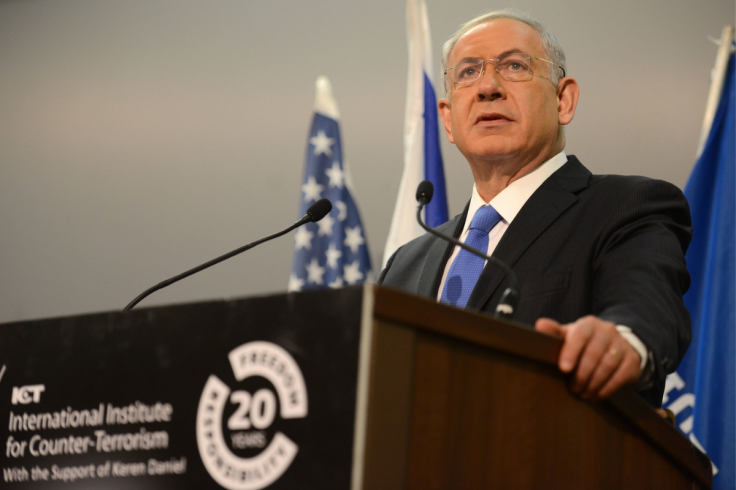
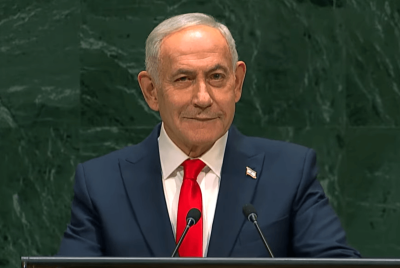
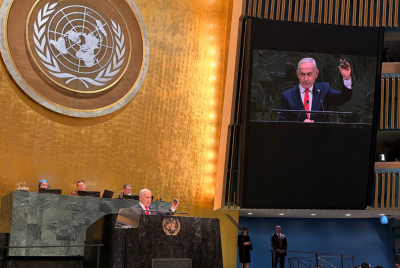
Benjamin Netanyahu is facing an increasingly difficult election fight, but the emerging challenge from former Israel Defense Forces chief Gadi Eisenkot comes with an unexpected twist.
Rather than representing a clear break from Israel's military approach, Eisenkot has advocated tougher measures against Iran while supporting continued Israeli security control in parts of Gaza.
That has fuelled a striking argument from a political podcast that Netanyahu could be pushed aside because he is seen by some critics as 'not radical enough'.
Eisenkot Gains Ground in Election Race
Israel's next parliamentary election is scheduled for October 27, with Netanyahu seeking another term as prime minister. Polling has shown a competitive contest between his Likud party and Eisenkot's Yashar party.
A 28 September Kan poll put Yashar on 23 seats and Likud on 21, while the two major blocs were tied on 52 seats each. The same survey showed Netanyahu narrowly ahead of Eisenkot in direct preference for prime minister, at 39 per cent compared with 38 per cent.
Another September poll produced a stronger result for Eisenkot, with 48 per cent of respondents saying he was fit to serve as prime minister, compared with 36 per cent for Netanyahu.
The figures do not determine who will become prime minister, as coalition negotiations will ultimately decide who can command a majority in the 120-seat Knesset.
Eisenkot Takes a Tough Line on Iran
Eisenkot's rise has attracted attention partly because of his position on Iran. Despite his challenge to Netanyahu, he has not advocated simply reducing military pressure in the region.
According to reports on his proposed security strategy, Eisenkot has supported particularly aggressive deterrence against Iran's nuclear programme. He has proposed that the United States establish a declared 'kill zone' around locations containing Iran's uranium enriched to 60 per cent, with a commitment to strike attempts to move the material.
Gaza Policy Still Prioritises Security
Eisenkot's Gaza policy similarly retains a strong security component. He supports Israel maintaining a security corridor inside Gaza and wants Hamas removed from power. However, he has shown greater willingness to consider partial disarmament arrangements that could allow reconstruction to begin.
He has also said Palestinian statehood is not relevant in the near or medium term following the 7 October attacks.
The result is a platform that remains firmly centred on Israeli security while offering differences in how the war and its aftermath should be managed.
Podcast Frames Netanyahu as Too Moderate
The podcast commentary used those positions to argue that replacing Netanyahu would not necessarily produce a softer Israeli government.
The host specifically claimed, 'getting rid of him doesn't mean we're not going to get somebody more extreme and more radical.'
Netanyahu has also attacked Eisenkot from the opposite direction, portraying his rival as too cautious and arguing that Eisenkot would not have authorised some major military operations conducted under Netanyahu's government.
With the election approaching, the evidence points to a contest between competing security strategies rather than a straightforward shift from military pressure to restraint. Eisenkot's rise shows that Netanyahu's political challenge is coming from a candidate who also supports a robust Israeli security posture, particularly on Iran and Gaza.
© Copyright IBTimes 2026. All rights reserved.
- Recommended For You