

Ousted Defence Chief's Gamble Backfires as Ukraine Protests Fail to Become a Lasting Movement
Examining the Political Fallout of Mykhailo Fedorov's Election Proposal
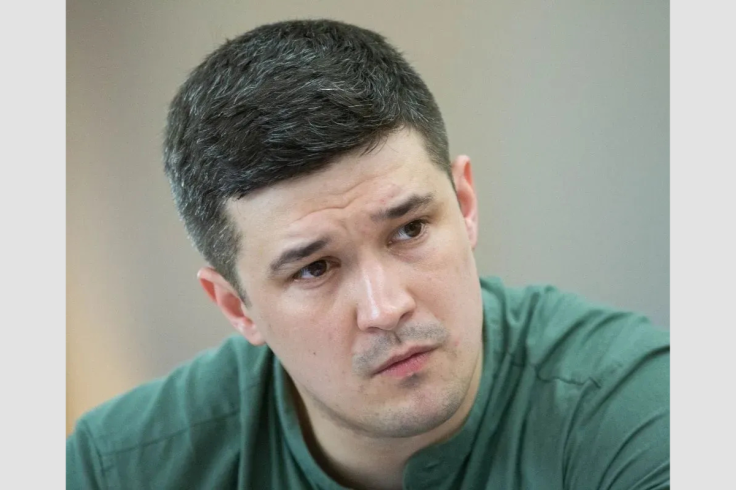
Ukraine's former defence minister Mykhailo Fedorov appears to have overplayed his hand in a political challenge to President Volodymyr Zelenskiy, with protests demanding his reinstatement losing momentum after he called for elections during wartime.
Fedorov's dismissal in July triggered rare demonstrations in Kyiv and other Ukrainian cities, as supporters rallied behind the reform-minded former minister. But his decision to broaden the dispute into a call for elections appears to have fractured the movement rather than turning it into a wider challenge to Zelenskiy.
Why Fedorov's Election Call Failed to Gain Support
Fedorov called for Ukraine to begin preparing for elections, arguing that the country faced a crisis of governance and that democratic processes needed to resume. But the appeal collided with the reality of a country still under martial law and fighting Russia. Ukraine's government maintains that elections cannot be held while martial law remains in force.
More importantly for Fedorov, protesters who had spent weeks demanding his return to the Defence Ministry did not embrace the new political campaign. Protest organiser Dmytro Koziatynskyi, a military veteran, distanced the movement from Fedorov's election call, effectively drawing a line between the demonstrations and a broader campaign against Zelenskiy.
That distinction appears to have helped prevent the protests from developing into a sustained nationwide opposition movement.
Zelenskiy Survives Rare Wartime Political Challenge
Fedorov's removal had initially created an unusual political vulnerability for Zelenskiy.
The protests were notable because large-scale demonstrations against the Ukrainian government have been rare since Russia's full-scale invasion in 2022. Fedorov had developed a reputation as a technology-focused and reform-minded minister, giving the demonstrations a prominent figure around whom supporters could rally.
Zelenskiy subsequently secured parliamentary approval for Yevhenii Khmara as the new defence minister, replacing Fedorov and reinforcing the government's decision not to reverse the reshuffle.
Fedorov has also rejected alternative roles offered by Zelenskiy, maintaining that he would return only as defence minister.
Why Elections Remain Difficult During the War
Holding a presidential election during the war would present major legal, security and logistical challenges.
Ukraine remains under martial law, while millions of citizens are displaced either inside the country or abroad. Active fighting and Russian attacks would also make campaigning and voting difficult in areas close to the front.
Public sentiment has therefore not aligned with Fedorov's proposal. Recent polling cited in the analysis indicated that a majority of Ukrainians oppose holding elections while the war continues.
For Zelenskiy, that leaves the immediate political challenge considerably weaker than it appeared when Fedorov was first dismissed.
What Fedorov's Gamble Means for His Political Future
The collapse of the protests does not erase the concerns that helped fuel them, including disputes over military leadership, corruption and the direction of Ukraine's wartime government. But Fedorov's attempt to convert support for his reinstatement into a broader political movement appears to have produced the opposite result.
Instead of becoming the centre of a sustained challenge to Zelenskiy, he now faces questions over whether his election campaign misjudged what protesters — and the wider Ukrainian public — actually wanted. For now, Zelenskiy remains in control, while Fedorov's political future looks considerably less certain than it did when thousands took to the streets demanding his return.
© Copyright IBTimes 2026. All rights reserved.