Putin's Conditions for Freezing Ukraine War Revealed as Russia Rejects Simple Ceasefire
Moscow demands resolution of underlying issues before agreeing to a ceasefire in Ukraine
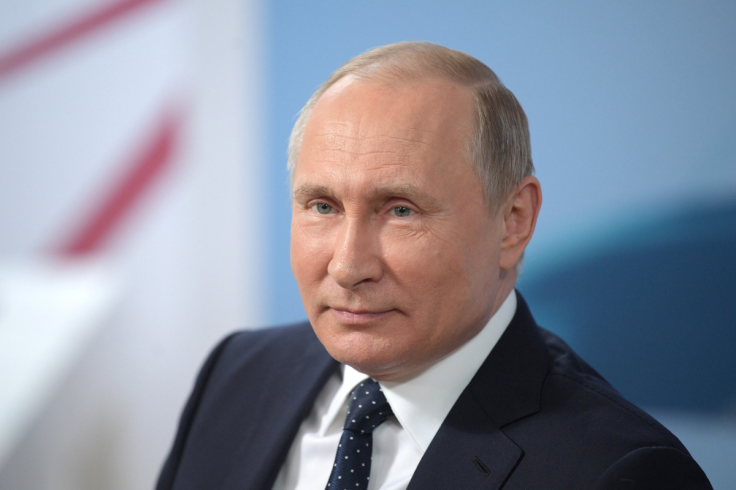
Russia has rejected a proposal to freeze the war in Ukraine along the existing front line, saying any halt in fighting must address what Moscow calls the 'root causes' of the conflict. Russian Deputy Foreign Minister Mikhail Galuzin said on Monday that President Vladimir Putin had repeatedly ruled out a freeze without those issues being resolved.
The statement came as the United States prepared a new diplomatic push, with envoys Steve Witkoff and Jared Kushner expected to travel to Kyiv and Moscow. Washington is considering proposals that could include a limited agreement to halt Russian and Ukrainian air attacks as it seeks to restart stalled negotiations.
The positions leave a significant gap between the two sides. Kyiv has supported using the current line of control as the basis for a ceasefire, while Moscow continues to demand Ukrainian withdrawal from territory it claims and says a settlement must address wider political and security issues.
Russia's Demand for Donetsk
One of Moscow's clearest territorial demands is for Ukraine to withdraw from the parts of Donetsk that remain under Kyiv's control.
The area includes a chain of heavily fortified cities that Ukrainian forces have defended since fighting began in the region in 2014. Russian forces have captured large parts of Donetsk but have failed to take the remaining Ukrainian-held territory despite years of fighting.
Ukrainian officials have rejected the demand, arguing that abandoning the defensive line would expose territory further west to Russian forces.
What Russia Means by 'Root Causes'
Galuzin did not provide a new list of conditions in his latest comments, instead referring to Putin's repeated demand that the causes Moscow associates with the war must be addressed.
Russian officials have previously used the phrase to refer to issues including NATO's expansion, Ukraine's future military alignment and what Moscow describes as the rights of Russian-speaking people in Ukraine. These positions have formed part of Russia's wider demands in previous peace discussions.
Russia has also continued to criticise Western military and intelligence support for Ukraine. Galuzin argued that continued US weapons deliveries and intelligence assistance were incompatible with Washington's efforts to promote peace.
He also accused Ukraine of carrying out 'terrorist' attacks against Russian energy infrastructure, including facilities linked to the Caspian Pipeline Consortium. Ukraine has said its long-range strikes target military, industrial and logistical infrastructure supporting Russia's war effort.
US Attempts to Restart Negotiations
Despite rejecting a simple front-line freeze, Moscow continues to say it is open to diplomacy. The comments came as Washington worked on proposals aimed at bringing Moscow and Kyiv back into negotiations, including a possible agreement to halt air attacks by both sides. It remains unclear whether the two governments could agree on the terms of such an arrangement.
Other Russian officials have also signalled that Moscow is not prepared to accept a straightforward ceasefire as a condition for peace talks. Foreign Minister Sergey Lavrov has previously rejected a halt along the current front line, while other officials have warned that the war could continue for an extended period.
The latest position leaves the central disagreement unresolved. Ukraine wants the existing front line to provide a starting point for a ceasefire, while Russia says an agreement must include territorial concessions and address what it considers the underlying causes of the conflict.
© Copyright IBTimes 2026. All rights reserved.
- Recommended For You