Poland's WWII Massacre Row Reignites as Opposition to Ukraine's EU Membership Hits Record High
Historical grievances resurface as Polish support for Ukraine's EU membership declines
More Poles are opposing Ukraine's accession to the European Union (EU) than ever before, reopening wounds rooted in World War II. Only 50% of Polish citizens support Ukraine's admission to the 27-member organisation, according to a survey conducted by the publicly funded Centrum Badania Opinii Społecznej (Public Opinion Research Center).
The figure marks a dramatic fall from the 90% approval recorded in 2022, shortly after Russia invaded Ukraine on 24 February. Ukraine applied to become a member of the EU just four days later, citing extenuating circumstances. However, the EU has maintained that there is no shortcut to membership.
Why the Polish Oppose Ukraine's EU Accession
Of those in favour of Ukraine's membership, only 9% said Ukraine should be admitted as soon as possible. Around 41% said the process should proceed at a normal pace. Of those surveyed, 40% are against Ukraine's accession, 23 percentage points higher compared with a similar poll in October 2023.
The highest opposition came from Poles with right-wing beliefs (53%) and young adults, aged between 18 and 24 (58%). Moreover, 55% of the Polish public believe Kyiv may have to concede some territories to end the war. The most divisive question is related to foreign aid, where 39% said military, financial and humanitarian support are warranted while 27% said these were excessive.
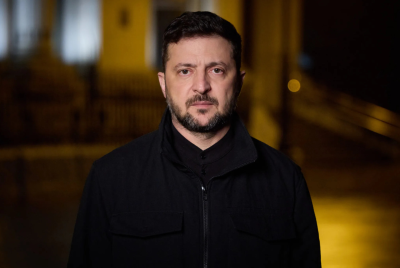
The loss of support from the Poles may be due to Ukrainian President Volodymyr Zelenskyy's move of honouring the Ukrainian Insurgent Army (UPA) by signing a decree on 26 May 2026 that the nation's elite forces be referred to as 'Heroes of the UPA.' The UPA is highly regarded as heroes in Ukraine, having fought against Nazi Germany and paving the way for the nation's independence.
In Poland, however, the UPA is remembered for atrocities committed between 1943 to 1945. This includes the Volhynia Massacres, which claimed around 100,000 Polish lives from July to August 1943. Victims were largely woman and children, though other casualties included Armenians, Czechs, Georgians, Russians, Jews, and even Ukrainians who were part of Polish families.
Fraught Poland-Ukraine Relations
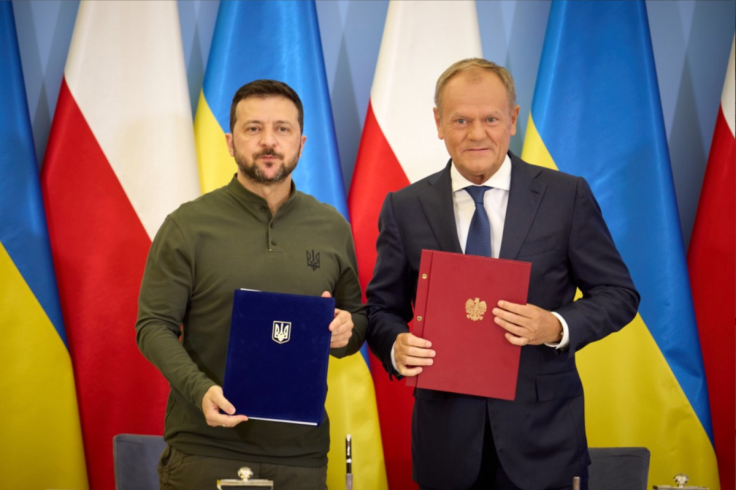
Much has been done between World War II and 2026 to heal relations between the two countries. In 2024, Zelenskyy and Polish Prime Minister Donald Tusk signed the Agreement on Security Cooperation between the two countries. Ukraine recognised that Poland has provided Kyiv with military support since the Russian invasion.
However, Zelenskyy honouring UPA reopened World War II wounds. Poland stripped Zelenskyy of the Order of the White Eagle honour, the highest state recognition. Polish President Karol Nawrocki called Ukraine and Zelenskyy's move 'outrageous,' 'incomprehensible' and 'deeply disappointing.'
European Parliament's Warning
The European Parliament, the EU's law-making body, criticised Zelenskyy's actions early this month, citing 'the disregard for Polish sensitivities and grief linked to the UPA's estimated tens of thousands of victims and their families. '(It is) a very strong signal, it's a warning to Ukrainian authorities not to create bad emotions and not to act against European values,' said Andrzej Halicki, a Polish member of the European Parliament.
This could slow down Ukraine's acceptance into the EU, which has reportedly already been blocked by Hungary. According to reports, Hungary has asked for the postponement of the second and third negotiating clusters, which could have addressed Ukraine's integration into the EU single market as well as economic and social policies.
© Copyright IBTimes 2026. All rights reserved.
- Recommended For You