

'Wrong Donor' Sperm Mix-Up Reignites Race Debate After Ohio Couple's Lawsuit Resurfaces
A lawsuit over a sperm donor mix-up highlights questions about race, reproductive choice and alleged negligence
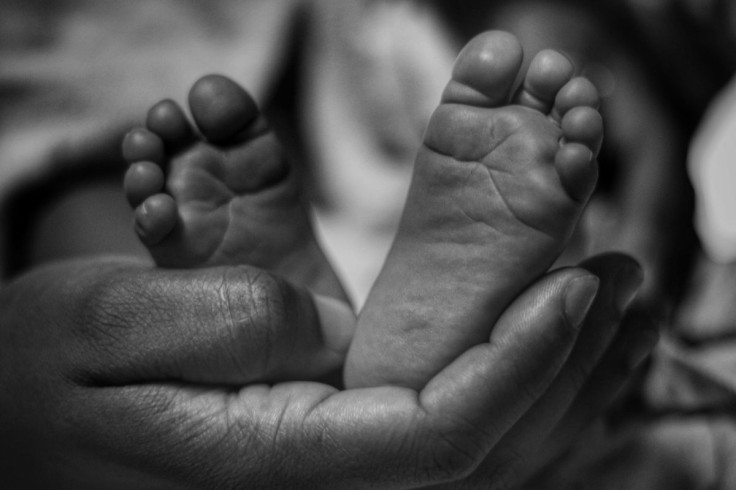
A lawsuit involving a lesbian couple who received sperm from the wrong donor has resurfaced online, reigniting a heated debate about race, reproductive choice and alleged negligence in fertility treatment.
The case centres on Ohio couple Jennifer Cramblett and Amanda Zinkon, who sued Midwest Sperm Bank after Cramblett became pregnant using sperm from a Black donor instead of the white donor they had specifically selected.
The case dates back several years, but renewed online discussion has brought the circumstances back into the spotlight. Some users describe the situation as racist, while others argue that the central issue was not the donor's race but the fact that the couple received sperm from a donor they had not selected.
How Did the Sperm Bank Mix-Up Happen?
According to court documents and contemporary reports, Cramblett and Zinkon had deliberately selected donor No. 380, who was white. Cramblett became pregnant after undergoing insemination, and the couple later contacted the sperm bank to reserve additional samples from the same donor so Zinkon could potentially have a child biologically related to the first.
It was during that process that the couple reportedly discovered something was wrong. They were informed that Cramblett had actually been inseminated with sperm from donor No. 330, who was Black.
Reports said the mistake was linked to the way donor numbers were recorded, with the lawsuit alleging problems with handwritten records and a lack of adequate quality-control procedures. The sperm bank reportedly apologised and refunded the cost of the incorrect sample.
For Cramblett, the discovery was deeply upsetting because the couple had gone through an extensive process to select a particular donor.
'How could they make a mistake that was so personal?' she said at the time.
Why Did Race Become Such a Major Part of the Case?
The racial element became unavoidable because Cramblett and Zinkon are white, while the donor whose sperm was mistakenly used was Black. Their daughter was therefore born mixed-race.
The couple said they loved their daughter and would not change her, but the lawsuit described concerns about raising her in their predominantly white community in Uniontown, Ohio. The town had a population of roughly 3,300 people and was overwhelmingly white, according to reporting at the time.
Cramblett also said she understood discrimination because of her experiences as a lesbian but did not know what it was like to experience prejudice because of skin colour. The lawsuit raised concerns about how her daughter might be treated by members of the family and the wider community.
The couple's comments about raising a mixed-race child later became a source of controversy, with some commentators interpreting their concerns as racially insensitive. Others have pushed back against that interpretation, arguing that the lawsuit was fundamentally about being given the wrong donor, regardless of whether the mistake involved a white or Black donor.
What Was the Couple Actually Suing For?
The lawsuit alleged negligence and breach of warranty, among other claims, and sought at least $50,000 (£36,900) in damages. Cramblett said the couple wanted accountability and wanted to prevent the same kind of mistake from happening to another family.
The case became part of a broader discussion about reproductive technology and the importance of accurate donor identification. Choosing donor sperm can involve considerations ranging from medical and genetic information to physical characteristics and family circumstances.
The case also illustrates why mistakes involving donor samples can carry consequences far beyond an ordinary administrative error. A mix-up in reproductive medicine can affect the identity, relationships and future circumstances of an entire family.
Online reactions remain divided. Some people have focused on the racial implications and questioned the couple's concerns about raising a mixed-race child, while others argue that fertility clinics have a fundamental responsibility to provide patients with the specific reproductive material they selected.
The Illinois courts ultimately dismissed Cramblett's claims against Midwest Sperm Bank, with an appellate court affirming the dismissal in 2017.
© Copyright IBTimes 2026. All rights reserved.