

Call of Duty Developer Recalls Brutal Crunch While Calling for a Share of Black Ops Re-Release Revenue
Gavin Goslin says classic shooter teams deserve rewards after PlayStation ports top US sales charts
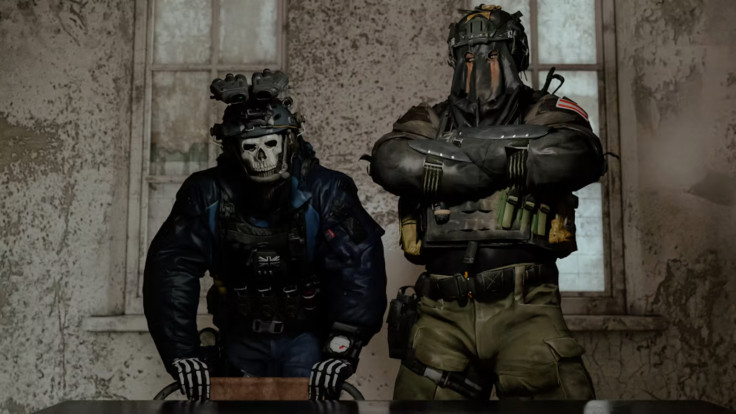
A former Treyarch developer has called for the original teams behind Call of Duty: Black Ops and Black Ops II to share in the financial success of their recent PlayStation re-releases. Gavin Goslin, who worked on both games, says the renewed commercial success is bittersweet after the demanding development work he remembers.
Activision released PlayStation 4 and PlayStation 5 versions of the two classic shooters without a major advance announcement on 9 July 2026. Their performance quickly drew attention, with the sequel leading the US best-selling games chart for July.
According to Circana's monthly sales report, Black Ops II ranked first in the US, while the original Black Ops placed fifth. The rankings demonstrate the commercial strength of the re-releases, although they do not establish how much profit Activision or its parent company, Microsoft, received.
Third-party estimates also attracted attention. Alinea Analytics reportedly estimated that the two games sold a combined 11.2 million copies in July, with a reported value of approximately $435 million (around £324.8 million). These figures are estimates rather than official sales or revenue disclosures from Activision.
The debate was reported by Video Games Chronicle on 20 October 2026. Goslin's comments focus on whether the developers behind established games should receive additional compensation when their work continues generating sales years after release.
Black Ops Re-Releases Renew Debate Over Developer Royalties
Goslin worked as a level designer on both games at Treyarch. In a LinkedIn post, he argued that the new releases demonstrate the lasting appeal of the original development work.
'The recent Black Ops 1 and Black Ops 2 digital drops on PlayStation proved a couple of things,' Goslin wrote.
He argued that modern players still value the focused experiences offered by older games. He also described the titles as continuing 'massive money-makers for Activision and Microsoft.'
Goslin criticised the limited changes in the new versions, describing them as 'basic $40 (around £29.90) digital re-releases with zero new features.' His argument is that developers should benefit financially when games they helped create continue selling successfully.
'They are printing money off of work completed over a decade ago,' he added.
The sales rankings provide context for his argument. However, chart positions alone do not establish a game's profitability, the publisher's net earnings or the contractual arrangements between a company and its former employees.
Goslin's comments also raise a broader question about compensation in the games industry. Developers may contribute substantially to a successful title without necessarily holding rights to future sales. Whether royalties are payable depends on the relevant agreements and ownership arrangements.
He did not provide evidence that particular executives received bonuses specifically tied to these re-releases. His proposal for sharing the proceeds should therefore be understood as an argument about fairness, rather than proof that Activision or Microsoft owes the original developers additional payments.
Gavin Goslin Recalls 'Brutal Hours' During Black Ops Development
Goslin's criticism is rooted in his recollection of the work required to produce the original games.
'As a developer who actually worked on both Black Ops and Black Ops 2, seeing these charts is bittersweet,' he wrote. 'I poured my life into those games, spending countless, brutal hours in crunch alongside an incredibly talented team to make sure they were perfect.'
In the games industry, 'crunch' generally describes periods of unusually intensive work, often involving extended hours as a project approaches completion. Goslin's statement describes his personal experience and should not be taken as evidence that every member of the development team faced identical conditions.
He acknowledged that the games' continued popularity was remarkable. Nevertheless, he objected to what he characterised as large financial gains for executives while the original creators received no comparable reward.
'If executives are getting massive bonuses off the longevity of these classics, that wealth needs to be shared retroactively,' Goslin wrote.
He continued: 'Legacy revenue should mean legacy rewards for the devs who survived the crunch to build them.'
The conditional wording matters. Goslin did not identify specific executives or document any bonuses linked to the ports. Nor did his post establish whether individual developers have contractual entitlements to royalties from subsequent releases.
Activision's response to the ports' success provides another perspective on their appeal. In an interview published by The Game Business on 15 October 2026, chief marketing officer Tyler Bahl acknowledged that the re-releases had exceeded the company's expectations.
'The Black Ops ports were huge successes,' Bahl said. 'We thought they would do well, we didn't think they would do that well.'
Bahl linked the response to nostalgia and players' desire to revisit familiar multiplayer experiences with friends. He also said Activision hoped to carry that appeal into Call of Duty: Modern Warfare 4, which is scheduled for release on 23 October 2026.
The contrast between the two accounts is clear. Activision has highlighted the commercial and audience response, while Goslin has focused on the people whose work helped establish the games' lasting appeal.
His proposal does not establish that retroactive royalties will be introduced. It does, however, put developer compensation back into the conversation as publishers continue selling established franchises to new and returning audiences.
© Copyright IBTimes 2026. All rights reserved.