

Florida Restricts Welfare Spending on Vaping, Tattoos, and Pornography, Trump Officials Want Other States To Copy
New policy limits cash assistance use on non-essential items
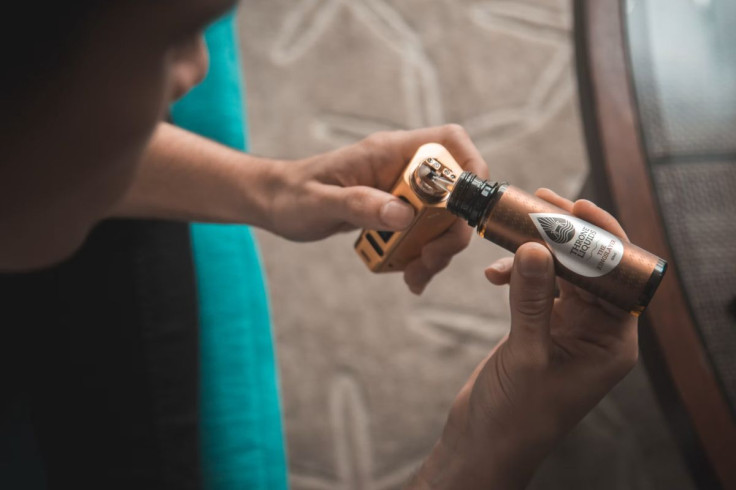
Florida has become the first US state to stop low‑income residents using cash assistance benefits to buy tattoos, video games, vaping products and pornography, under new welfare rules backed by the Trump administration.
The United States Department of Health and Human Services formally approved the policy on Thursday, with officials in the Trump administration encouraging other state governments to copy Florida's new limits on welfare spending.
The measure updates the Florida Temporary Cash Assistance programme, which receives funding through the federal Temporary Assistance for Needy Families block grant.
State administrators had already banned electronic benefit transfer cards from being used in adult entertainment venues and casinos, but this framework introduces item‑level checkout restrictions, aligning cash welfare spending rules with existing limits placed on state nutritional aid.
Federal Endorsement for Florida Welfare Spending Rules
Under the approved directive, eligible households will continue to receive their standard financial aid, which averages approximately £195 ($250) per month in Florida.
The changes do not reduce overall cash allocations, but instead restrict electronic benefit cards from clearing non‑essential transactions, so public money is spent on core necessities such as food, clothing, housing costs, utilities and hygiene items.
Governor Ron DeSantis said public safety nets must remain dedicated to immediate family needs.
'Taxpayer‑funded assistance should help families put food on the table, keep the lights on, purchase clothing, provide for their children and overcome barriers on the path toward independence,' DeSantis said in announcing the policy.
'We will continue supporting Floridians who genuinely need assistance, while working to improve accountability and transparency so that these programs operate as intended.'
The federal Administration for Children and Families praised the framework in an official clearance letter delivered to state officials. Agency leaders described the policy as a way to remove luxury and non‑essential transactions from welfare programmes.
Alex J Adams, the assistant secretary overseeing the agency, said welfare grants were never intended to serve as unrestricted cash allowances.
'When people come to us for those basic needs, we will give them short‑term assistance for those needs, but not for superfluous purchases,' Adams said.
'No one loses any of their benefit. What this is saying is, if an individual or a family is going to come to the government to cover their basic needs, it is the government's expectation that they be used for those basic needs.'
BREAKING: Florida becomes the first state to block welfare cash from being spent on tattoos, theme park tickets, video games, vapes, & other non-essential purchases.
— Polymarket (@Polymarket) August 27, 2026
Technical Safeguards Reshaping State Welfare Spending
The updated rules follow Florida's separate Healthy SNAP initiative from April, which stopped families from spending food benefits on soft drinks, energy drinks and ultra‑processed sweets.
By combining those dietary rules with wider exclusions on entertainment tickets, body piercings and nicotine devices, Florida has become the first state in the US to enforce item‑level checkout restrictions on cash welfare.
Enforcing the restrictions requires cooperation between state agencies, card processors and retail businesses. Participating shops must implement point‑of‑sale software blocks to prevent barred items being purchased at the till, a technical change that checkout vendors and retailers are now required to integrate.
Recipients will also be restricted to withdrawing cash only at financial institutions and grocery retailers authorised under federal food assistance rules.
Whether other state legislatures will mirror the Florida template remains an open question. Adams said that twenty‑seven states currently lack card‑location restrictions beyond standard federal requirements, and that most do not enforce item‑level purchasing bans.
'While Florida is the first state, hopefully it's not the last state,' Adams said, adding that federal regulators intend to showcase the Florida model as a national standard.
© Copyright IBTimes 2026. All rights reserved.