

'I Don't Need to Work': Former Tradwife Says MAGA-Era Evangelical Beliefs Discouraged Women From Building Wealth
Stephania Messina embraced a tradwife role after converting to Christianity, then later rejected those beliefs and spoke on their financial impact
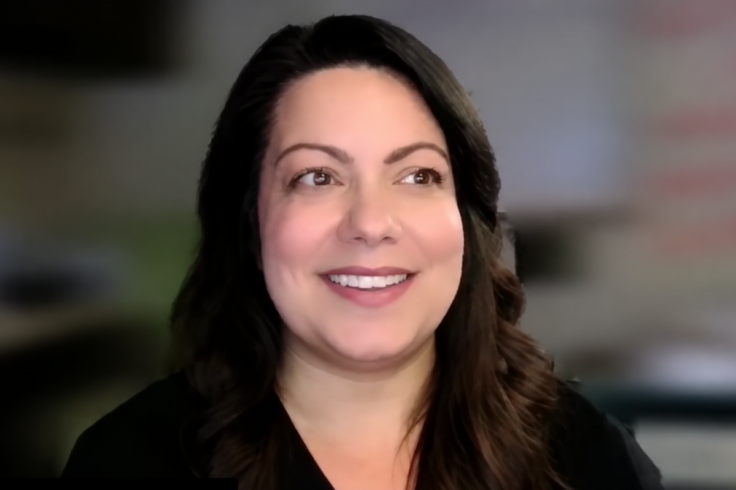
Former tradwife Stephania Messina says she once believed, 'I don't need to work. I don't need to worry about how I'm going to afford these kids, because God's going to figure it out,' describing how evangelical teachings she later associated with the broader MAGA movement led her to stop viewing financial independence as necessary.
Speaking to The Guardian as part of a feature on former MAGA supporters, Messina described how postpartum depression led her deeper into evangelical Christianity, where she came to believe that obedience, rather than financial planning, would provide security for her family.
Faith Took Priority Over Financial Independence
Messina said she turned to religion after struggling following the birth of her third son, describing severe postpartum depression and feeling overwhelmed by balancing work and family life. Looking back, she believes she misunderstood the pressures she faced and instead embraced teachings that encouraged her to step away from financial independence.
'I took that 100% seriously. I was a tradwife,' she said. According to Messina, she believed that if she submitted to her husband's leadership, God would provide financially. She said she no longer viewed earning an income or managing household finances as her responsibility. 'I don't need to work. I don't need to worry about how I'm going to afford these kids, because God's going to figure it out. If I'm obedient, if I surrender to the leadership of my husband, then God's going to bless me.'
She added that politics also became something she believed women should avoid. 'They don't want you knowing about politics. It wasn't my job to vote or to know who to vote for. I was just supposed to submit to my husband and do what he thought was necessary.'
'Make America Godly Again'
Although Messina said she never attended Trump rallies or wore MAGA merchandise, she described her political identity differently. 'I never wore a red hat. I never went to a Trump rally. My MAGA was "Make America Godly Again." My loyalty wasn't to Trump. My loyalty was to God and the church.'
She also recalled being discouraged from engaging with media outside conservative religious circles. 'I was told: "Don't even look at left-wing media, because it's demonic." I was so deep in what I can only call a religious psychosis.' Her account highlights how, in her experience, religious identity and financial decision-making became closely intertwined.
Covid Changed How She Viewed Money and Faith
Messina said the Covid-19 pandemic marked the beginning of her departure from those beliefs. Working as a respiratory therapist, she said she struggled to reconcile what she witnessed professionally with messages she heard from political and religious leaders. The turning point came after her former partner died in a motorcycle accident in March 2021.
She recalled that a pastor's wife described the tragedy as 'a blessing in disguise' because her son would grow up without a non-Christian influence. 'After that, I was done,' Messina said. Leaving those beliefs, however, was not immediate.
'I was afraid to speak out because I thought everyone would hate me. But it wasn't until my perspective became more progressive that I felt like my empathy came back.' She added that rebuilding her worldview remains an ongoing process. 'I don't care how long it takes. I will be deconstructing the rest of my life.'
Why Her Story Resonates Beyond Politics
Messina's account forms part of a wider Guardian feature examining why some former MAGA supporters have distanced themselves from the movement. While each person's experience differs, her story stands out because it links religious beliefs with financial behaviour rather than party politics alone.
Her reflections suggest that ideas about work, household roles, and money can have lasting consequences when they become tied to deeply held beliefs. Rather than focusing on campaign slogans or elections, Messina's experience illustrates how personal convictions influenced the choices she made about employment, financial independence, and long-term wealth before she ultimately reconsidered them.
© Copyright IBTimes 2026. All rights reserved.