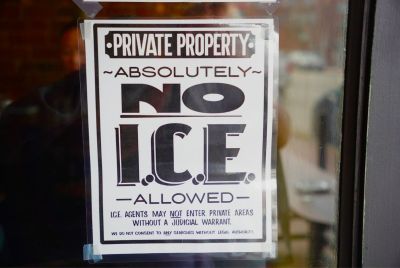
'A Grave Threat to the Rule of Law': Federal Judge Warns Trump Administration Over Migrant Arrests
Senior Judge Patrick Schiltz says the Trump immigration surge in Minnesota posed a grave rule-of-law threat after repeated ICE court-order violations
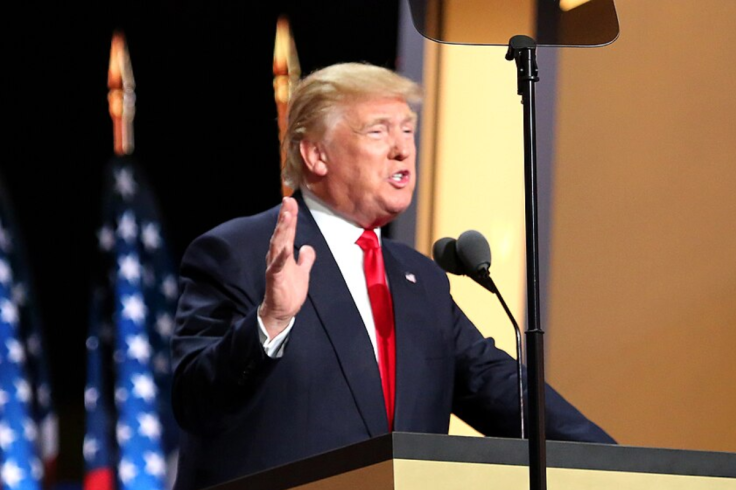
Senior US District Judge Patrick J. Schiltz warned on Thursday, 17 September, that the Donald Trump immigration surge in Minnesota had endangered respect for federal courts.
He said the government's conduct during Operation Metro Surge created 'a grave threat to the rule of law'. Schiltz led Minnesota's federal district court while Operation Metro Surge ran from December 2025 until 12 February 2026.
The enforcement operation resulted in more than 4,000 arrests across Minnesota. Federal immigration officers also fatally shot U.S. citizens Renée Good and Alex Pretti in separate January encounters.
The operation generated a flood of habeas corpus petitions from people challenging their detention by immigration authorities.
By 19 February, a review of court records had counted more than 1,000 such petitions since the operation began. The caseload placed intense pressure on judges and federal lawyers.
Donald Trump Immigration Surge Brought Repeated Court Violations
Schiltz's 28 January order offered an early measure of the problem. It identified 96 court orders that ICE had violated across 74 cases since 1 January. He cautioned that the tally had been compiled quickly and could contain mistakes.
After US Attorney Daniel N. Rosen challenged that accounting, the court checked the cases again. Schiltz's 26 February supplemental order found 97 violations in 66 of the original cases. It also identified 113 additional violations across another 77 cases.
The figures sharpen the focus of Schiltz's latest warning. His concern was not that every arrest during Operation Metro Surge was unlawful. It centred on whether the executive branch followed orders federal judges had already issued. 'I would say aloud to myself, 'This just never happens,'' Schiltz told The New York Times.
Schiltz said most failures appeared to be 'due to incompetence, not due to a conscious defiance of orders'. Even so, he argued that the Justice Department should have anticipated the legal burden created by the enforcement surge.
Court authority depends on compliance once a judge issues an order, Schiltz said. 'It's the rule of law,' he told the Times. 'If you don't have it, you have either anarchy or you have authoritarianism.'
Schiltz, 66, was appointed to the federal bench by President George W. Bush in 2006. He previously clerked for the late Supreme Court Justice Antonin Scalia. He is now a senior US district judge after stepping down as chief judge in June.
Donald Trump Officials Defend Their Handling of Court Orders
The Department of Homeland Security disputed the criticism. DHS spokesperson Chandler Rebel said the department operates 'in line with the US Constitution and all applicable federal laws.'
Justice Department spokesperson Kiersten Pels said the administration 'will continue to fully comply with court orders.' She said the administration generally satisfied the substance of the orders, including cases where it missed a secondary deadline.
Pels also criticised sitting federal judges for giving on-the-record interviews about the administration. She suggested judges consider recusal if they had publicly commented on pending or related matters. The Times reported that Schiltz declined to discuss ongoing cases during his interview.
That distinction matters because Schiltz's comments addressed the institutional consequences of noncompliance rather than the merits of unresolved cases. His January order stated that ICE must obey judicial orders unless they are overturned or vacated.
US District Judge Nancy E. Brasel, whom Trump appointed in 2018, defended judges speaking publicly about judicial independence. 'We are allowed to speak out about judicial independence,' she said. 'And so we should, in order to keep it.'
Schiltz's remarks therefore concern a narrower question than the legality of Trump's wider immigration policy. They focus on whether federal agencies complied with court orders while judges reviewed detention cases during the surge.
© Copyright IBTimes 2026. All rights reserved.
- Recommended For You