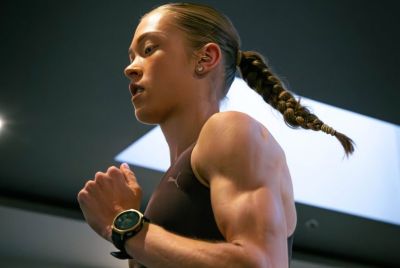
Great Britain Shatter 2026 Winter Olympics Gold Record as Medal Target Slips in Milano Cortina
Team GB's historic gold medal achievement at the 2026 Winter Olympics brings both pride and pressure.

Team Great Britain have rewritten a small but significant part of their own story at the 2026 Winter Olympics in Milano Cortina. They have secured more Winter Olympic gold medals than ever before, even as questions linger over whether the wider medal target will be met.
There is a genuine sense of pride inside the camp. There is also a quiet tension. UK Sport set a public aim of at least eight medals before the Games began, yet the overall tally has hovered below that line despite the surge in gold.
The gold breakthrough changes the tone of the campaign. It gives athletes something lasting to celebrate, but it also sharpens the spotlight on how success is judged in British winter sport.
Gold Record Brings Pride and Pressure
The new gold benchmark is historic for Team GB. According to ESPN, Britain surpassed their previous best tally for Winter Olympic gold medals during the Milano Cortina 2026 Games.
For the athletes, that is validation of years spent training far from home in icy rinks and mountain venues. For performance directors and UK Sport, it brings a different emotion. Pride sits alongside scrutiny.
The eight medal target was not plucked from the air. It reflected confidence built after the Beijing Olympics in 2022 and sustained funding across winter disciplines. Yet as events edged towards their closing stages in Italy, the numbers became tight.
The gold medals help steady the mood. Still, they do not fully silence the debate about whether overall depth matters more than headline victories.
Some athletes argue that standing on the top step of the podium defines success. Others know funding cycles often depend on total medals, not just the colour of them.
Curlers Silence the Unbeaten Swiss
If there was one moment that shifted the emotional balance of these Games, it came in the men's curling semi final.
Team Great Britain defeated Switzerland 8 to 5 in a result few predicted. Switzerland had been flawless through the round robin, compiling a perfect 9 and 0 record, as per Olympics.com.
That unbeaten streak carried weight. It gave the Swiss an air of inevitability.
Yet curling rewards patience and nerve. Britain found both. Two stolen ends turned a tight contest on its head and forced the Swiss into uncharacteristic errors.
Skip Bruce Mouat stayed calm when margins narrowed. The Guardian reported that his composure proved decisive as Britain guaranteed at least a silver medal.
For supporters watching from living rooms back home, the victory felt personal. It was not simply about reaching a final. It was about toppling a side that had looked untouchable.
Two Stolen Ends that Changed the Games
Curling rarely delivers loud drama. It unfolds slowly, stone by stone. But in those two stolen ends, the rhythm changed.
Britain sensed an opening and pressed it. The Swiss, so clinical earlier in the week, appeared unsettled.
Both semi finals were shaped by disciplined performances, another Olympics.com report noted. Canada advanced from the other tie, setting up a final heavy with history and rivalry.
The unbeaten label attached to Switzerland disappeared in the space of a few precise shots. The arena felt different. British players allowed themselves brief smiles before returning to focus.
They had earned at least silver. They also knew the bigger test still waited.
Final Showdown and a Defining Question
The gold medal match against Canada now looms large. It carries more than the promise of another podium moment.
Team GB have already ensured Milano Cortina 2026 will be remembered for the record number of gold medals. That achievement stands on its own.
Yet the wider medal target remains in the background. A victory would shift the narrative towards triumph and resilience. A defeat would reopen conversations about missed opportunities elsewhere.
Athletes feel that tension even if they rarely voice it. They know how funding structures work. They know how headlines are written.
For Mouat and his rink, the approach stays grounded. Deliver clean stones. Trust the calls. Ignore the noise.
Across these Winter Games, Britain have shown a willingness to challenge expectations. They have risen when labelled outsiders and found composure under pressure.
Now everything rests on one final contest. In a tournament defined by fine margins, that last match will decide whether Milano Cortina becomes a story of bold breakthrough or one that leaves Britain wondering what might have been.
© Copyright IBTimes 2026. All rights reserved.
- MOST POPULAR IN Sports