Israeli Drone Operator Says IDF Troops in Gaza Could 'Kill Whoever They Want' Without Accountability
The pseudonymous reservist cited the Rafah ambulance killings and alleged that attack approvals and civilian deaths were treated with growing disregard
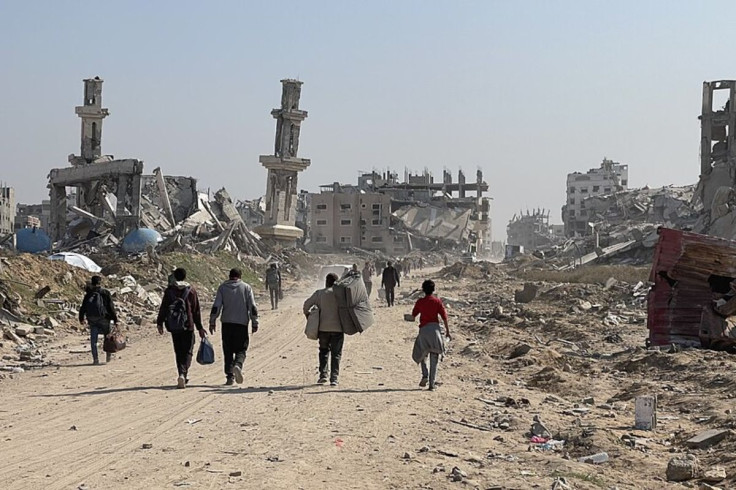
An Israeli military drone operator has described what he says was a collapse of battlefield restraint in Gaza, claiming troops could 'kill whoever they want' with little fear of being held accountable.
The reservist, identified by the pseudonym 'Nir', served as an Israeli Air Force drone operator and attack-cell commander after returning to duty following the 7 October attacks.
In an interview with Haaretz, Nir said years of service had left him increasingly disturbed by how targets were approved and Palestinian deaths treated inside the military.
'After this incident, I realised that anyone can kill whoever they want, as much as they want, and they won't be held accountable for it,' he said. Haaretz described his experience as one of growing 'ethical burnout' inside the IDF.
Ambulance Killings Became Breaking Point
Nir pointed to the killing of Palestinian emergency workers in Tel al-Sultan, Rafah, on 23 March 2025 as a defining moment. He said he watched from a military operations position as Israeli troops fired on rescue vehicles that were clearly identifiable as ambulances.
Fifteen Palestinians, including medical personnel and a UN employee, were killed across three shooting incidents that morning.
The IDF initially said troops opened fire on suspicious vehicles approaching without headlights or emergency signals. Video recovered from the phone of one of those killed later showed marked ambulances travelling with lights on, forcing the military to revise parts of its account.
The IDF's later investigation found 'professional failures' and said troops had wrongly assessed the situation. It maintains that soldiers believed they faced an immediate threat and says six of those killed were identified as Hamas members.
Israeli military authorities have since ordered a Military Police criminal investigation after a review found that the firing raised reasonable suspicion of criminal misconduct.
'I Cancelled Attacks in Droves'
Nir said the problem extended well beyond the Rafah incident. He described commanders shifting physical markers around the IDF-controlled 'Yellow Line', potentially turning land Palestinians believed was accessible into an area where approaching civilians could suddenly be considered threats.
'My counterparts and my friends didn't want to approve every attack either,' he told Haaretz, saying he personally cancelled proposed strikes 'in droves'.
In some cases, Nir alleged, explanations for attacking Palestinians appeared only after individuals had already been selected as targets.
He said claims that somebody may have approached weapons or planted explosives could be used without sufficient supporting intelligence.
'Everyone Had Become Cynical About Death'
Nir also said the meaning of 'terrorist' appeared to expand during the war. He recalled one operation in which troops were allegedly instructed to kill anyone leaving a building after intelligence suggested a wanted man was inside. Fifteen people were killed, he said, but the intended target was not among them.
Over time, Nir said concerns about civilian casualties began carrying less weight in attack decisions. 'The feeling was that something was broken,' he said. 'Everyone had become cynical about death.'
The testimony reflects one reservist's account and does not, by itself, establish that such practices were official IDF policy. But the military's own findings on the Rafah ambulance killings confirm serious operational failures, and its decision to open a criminal investigation underscores how questions over accountability remain unresolved more than a year later.
© Copyright IBTimes 2026. All rights reserved.
- Recommended For You