

Epstein Files Reveal French Castles Used as Sex Trafficking Sites While Underage Models Sent to US for Exploitation
Confidential court documents detail how Brunel ran a decades-long system of abuse across France and the US
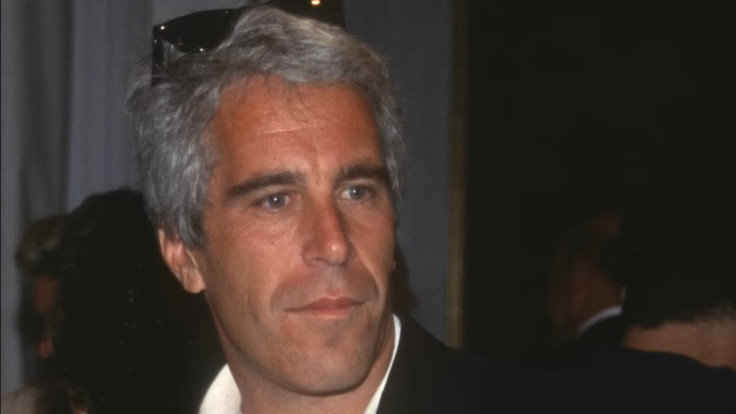
A chilling new chapter in the Epstein saga has emerged as confidential court documents reveal the scale of abuse orchestrated in France by Jean-Luc Brunel. Far from acting alone, Brunel, a close associate of Jeffrey Epstein, is shown to have run an industrial system of exploitation, transforming luxury castles and apartments into sites of abuse.
The 30-page judicial order, dating from 2023 and previously unseen, outlines how underage models were systematically exploited and sometimes sent to the United States for further abuse, raising questions about how such a network could operate with near-total impunity.
Castles and Apartments Became Crime Sites
The documents reveal a disturbing logistical operation. From grand castles in Normandy to upscale Parisian apartments, properties were specifically used to facilitate predation. Testimonies describe how victims were transported to isolated locations where the abuse took place, often during trips presented as professional modelling assignments.
One former model recounted being taken to a 'small castle' and assaulted, describing hidden passageways that allowed Brunel to orchestrate attacks without being seen.
These spaces were designed to intimidate, isolate, and control, creating an environment in which Brunel's victims felt trapped and powerless. The judicial file details repeated patterns of abuse over decades, painting a systematic picture rather than isolated incidents.
Modelling Agencies Provided Talent Pools
Brunel's influence extended beyond property ownership into the modelling world. Agencies such as Karin Models and MC2 allegedly served as 'talent pools,' where young women's careers were conditioned on submitting to sexual demands.
Aspiring models were groomed, monitored, and coerced into compliance under the guise of professional advancement.
Confiscated passports, ongoing pressure from powerful figures, and a network of international contacts reportedly enabled Brunel to operate without fear of prosecution for years. The documents illustrate how complicity was embedded in multiple layers of the modelling industry, allowing exploitation to continue largely unchecked.
Brunel's death in La Santé prison in February 2022 effectively ended the legal proceedings against him, but the newly examined court order makes clear that the closure was administrative rather than a reflection of truth.
The 30-page dismissal lists numerous witnesses, complainants, and alleged accomplices, showing a complex system of abuse spanning more than four decades.
Experts and advocates argue that this abrupt end to the prosecution leaves unanswered questions about the broader Epstein network in Europe. The French document corroborates similar findings in the United States, emphasising that Brunel's operations were international in scope and not isolated to Parisian or US locations.
Case Re-Examination Signals Justice Efforts
Following the release of the confidential 2023 court order, French authorities have announced a re-examination of the case, signalling that justice may yet extend beyond the fall of a single man.
The investigation seeks to address the infrastructure that allowed exploitation to become routine, from complicit modelling agencies to high-profile international figures implicated by testimony.
Judicial sources suggest that revisiting the case could lead to renewed scrutiny of anyone who enabled or turned a blind eye to Brunel's actions. Victims' rights groups emphasise that understanding the full network is crucial to preventing future abuses and acknowledging decades of suffering. The Epstein files, now increasingly public, are thus not only a record of criminal behaviour but also a call to uncover the entire system that enabled it.
© Copyright IBTimes 2026. All rights reserved.
- MOST POPULAR IN World


