

How Epstein Befriended Billionaires, Politicians and Paedophiles Through Shameless Networking
From a middle-class teacher to the most connected man in elite circles
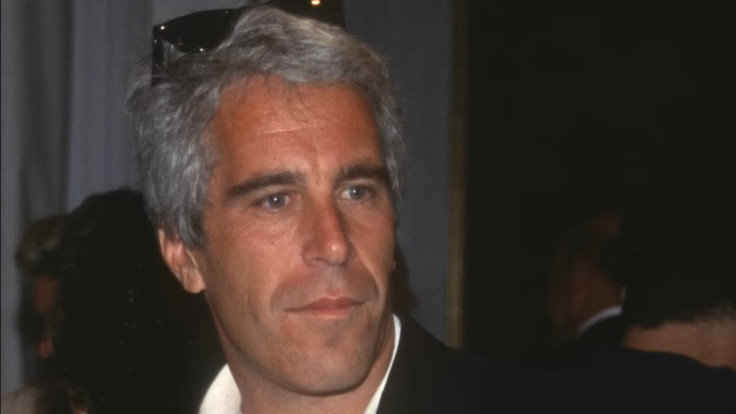
Even with thousands of pages of documents now released to the public, we still have only a fraction of the complete picture surrounding the life and crimes of convicted sex offender Jeffrey Epstein. But the breadcrumbs we do have reveal something troubling: a middle-class maths teacher somehow cultivated relationships with presidents, princes, billionaires, and Nobel Prize winners—and maintained those connections even after a criminal conviction.
The question isn't just who Epstein knew. It's how a man with no family wealth, no prestigious degree, and eventually a felony record managed to become the most connected man in elite circles. The answer, according to a detailed analysis of his career trajectory, lies in shameless, relentless professional networking that would be impressive if it weren't so sinister.
The Parent-Teacher Conference That Changed Everything
Epstein didn't start with advantages. He grew up in a middle-class neighbourhood in New York in the 1950s—his mother was a teacher's aide, his father a groundskeeper. In 1974, despite having no degree, Epstein landed a teaching position at the Dalton School, one of Manhattan's most prestigious private schools. Students included the children of Wall Street executives, European nobility, and New York's cultural elite.
Epstein was fired from Dalton in 1976 for 'poor performance', but not before he'd accomplished something remarkable: he'd turned a parent-teacher conference into a job interview at Bear Stearns. According to Lynne Koeppel, daughter of Bear Stearns chairman Alan 'Ace' Greenberg, Epstein convinced another parent to advocate for him. 'Give Jeff credit. He was brilliant', Koeppel told the Miami Herald. 'He was very smart and he knew how to woo people, how to schmooze.'
That's how a maths teacher with no credentials became a Wall Street trader.
Networking as a Full-Time Job
What made Epstein's networking unusual wasn't just its shamelessness—it was its scope. According to journalist Michael Wolff, who conducted over 100 hours of interviews with Epstein, the financier attended TED conferences specifically to meet scientists and intellectuals he could later connect with his wealthy friends.
'TED was hard to get into, yet Jeffrey could show up with 11 people and they would all get passes', one former regular said. Epstein didn't just attend—he turned conferences into hunting grounds for interesting minds, then hosted them at events for billionaires seeking prestige by association.
This strategy of diversifying his contacts proved devastatingly effective. He could connect academics who had prestige but no money to people with money who wanted prestige. Data from the Epstein network visualisation project catalogues 1,400 persons of interest connected through thousands of overlapping data points, with Epstein at the centre. That's not a contact list—it's a professional ecosystem.
The Billionaire Social Calendar
Part of Epstein's success came from understanding something most people don't: at the very top of the wealth pyramid, there are only a few hundred people worldwide operating at that level. They attend the same events, frequent the same destinations, and inevitably know each other.
When figures like Steve Bannon and Noam Chomsky appear just one degree of separation apart in Epstein's network, it demonstrates something crucial about elite society: political differences matter far less than class solidarity.
Epstein exploited this insularity brilliantly. He attended the Edge Foundation's ultra-exclusive 'billionaires' dinners' alongside Jeff Bezos, Larry Page, Sergey Brin, and Elon Musk. Emails released by the House Oversight Committee show him coordinating Vancouver trips around TED conferences, booking executive suites 'for the girls' and Prime Minister suites for himself.
Even after his 2008 conviction for soliciting prostitution from a minor, Epstein rebuilt his network by leveraging people who could vouch for him being a "changed man." The elite looked after their own.
A Network Built on Blackmail and Business
Networking alone doesn't explain Epstein's wealth or influence. His fortune came from managing money for a small number of ultra-wealthy individuals who paid him exorbitant fees for reasons that remain opaque. Another factor that emerged from document releases: Epstein was extraordinarily responsive, receiving tens of thousands of messages and responding to most quickly. For powerful people used to being ignored or filtered through assistants, having a peer who would actually talk to them was valuable.
The sinister reality is that Epstein leveraged social connections—with the help of blackmail—into business opportunities that funded a lifestyle which enabled him to interact with an even wider network of wealthy and influential people. A feedback loop of access, money, and control.
The Larger Question
What's perhaps most disturbing isn't that Epstein had these connections—it's why so few of them are demanding transparency now. If your name appears tangentially in these files, wouldn't you be begging for more information to be released to clear your name?
The simple answer is that some are guilty of heinous crimes and prefer muddy waters. But for others, it's likely simpler: staying on the inside of this small, powerful club is more important than justice. Epstein's network was a demonstration of how elite society actually functions—a few hundred people worldwide who, regardless of stated political differences, ultimately look after each other. Epstein just happened to be shameless enough to exploit it, and criminal enough that we finally noticed.
© Copyright IBTimes 2026. All rights reserved.