

Judge Slaps Down Trump's 250ft 'Triumphal Arch' Hours After Allies Give It the Green Light
A judge found that Congress had not authorised the monument
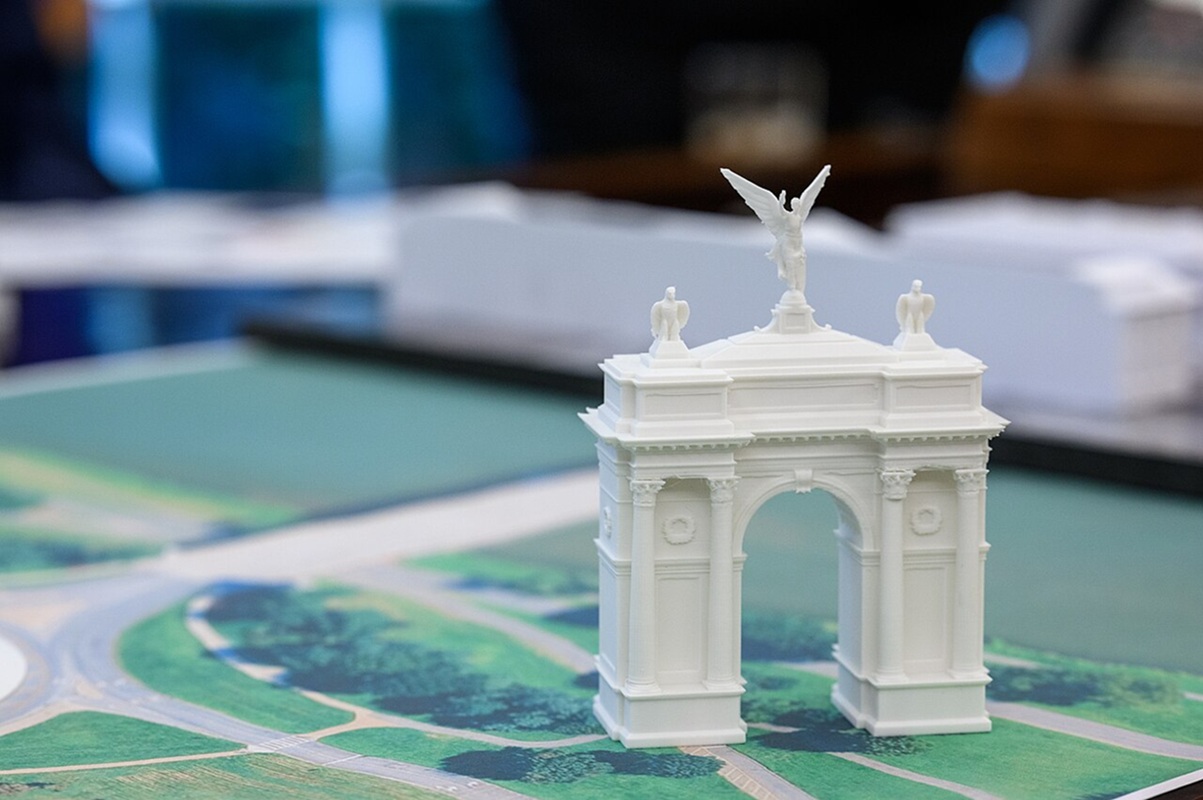
A federal judge has blocked President Donald Trump's 250-foot triumphal arch in Washington, ruling late on Thursday, 5 November, less than two hours after a planning commission stacked with his allies gave the project its final approval.
US District Judge Tanya Chutkan issued a 14-day temporary restraining order barring construction, excavation, demolition, and road closures at or near Memorial Circle, the traffic island between the Lincoln Memorial and Arlington National Cemetery. In a 33-page opinion, she found the challengers were likely to prove the arch breaches the Commemorative Works Act, the 1986 law requiring Congress to approve new memorials in the capital.
'Congress has not enacted any statute authorizing construction of the Arch,' Chutkan wrote.
A Vote Taken Against the Clock
The administration had told the court it could start work the same day the National Capital Planning Commission (NCPC) voted, prompting Chutkan to order on Tuesday that she be notified within an hour of any approval.
The commission's chair, Trump appointee Mark Paoletta, had pledged his vote in advance, calling the arch a 'historic effort' by Trump. The virtual hearing opened at 1 p.m., and nearly nine hours of testimony followed, most of it opposed.
DC Council Chair Phil Mendelson, a commissioner, sought a December delay. His motion failed 4-8 after Vice Chair Stuart Levenbach said the 'project proponent is under a time constraint and wants the decision today.' The arch then passed 8-4 at about 10:30 p.m., and the court was alerted within 30 minutes.
Security Claims Rejected
The White House bills the 'Independence Arch' as a tribute to America's 250th anniversary. Trump, who first floated it in October 2025, has also called it a 'top grade Military Complex' for drones and sniper ammunition.
Defence Secretary Pete Hegseth said in a declaration that the arch represented 'a generational national defense opportunity,' and government lawyers argued it could help deter assassination attempts on the president. Chutkan said the claims by Hegseth and Homeland Security Secretary Markwayne Mullin were 'recent and unsupported attestations' that appear nowhere in the planning documents and first surfaced in a filing last week.
The administration also argues Congress authorised a monument there in 1925 by approving two 166-foot columns that were never built. The design pairs a 166-foot arch with gilded figures reaching 250 feet, against about 164 feet for Paris's Arc de Triomphe. No official cost estimate has been published, and Trump has said it would be privately funded.
Veterans and Neighbours Sue
Three Vietnam War veterans and an architectural historian sued in February, saying the arch would cut the historic view between the Lincoln Memorial and Arlington House. DC and Virginia filed a joint suit in late October, warning that construction would snarl traffic, send stormwater runoff into the Potomac, and hamper emergency services.
Chutkan granted the order at their request, writing that 'the threatened harms will materialize as soon as construction begins.'
What Happens Next
The order lapses after 14 days unless extended while Chutkan weighs a longer injunction.
The ruling came two days after midterm elections that will hand Democrats a congressional majority in January. Rep. Don Beyer of Virginia, whose bill would ban and defund the arch, said the courts and Congress 'must put in place permanent safeguards' to stop it. Trump wants the arch finished before he leaves office in January 2029.
© Copyright IBTimes 2026. All rights reserved.