

Trump White House Warns 3,000 Conservative Groups Their Statements Are Being 'Monitored' as Republicans Turn on Him
JD Vance, Ted Cruz, and Ron DeSantis have questioned the president's handling of the Iran war and the election loss
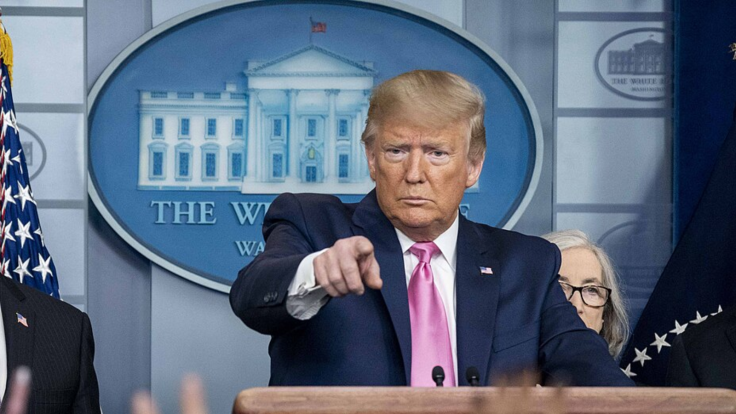
The message was sent by the White House Office of Public Liaison on Thursday, 5 November, as prominent Republicans began publicly questioning President Donald Trump's leadership following the midterm defeat. It listed the president's achievements and pledged to defend his agenda against the incoming Democratic majorities before ending with a sentence highlighted in yellow: 'As always, we are monitoring statements, press releases, and media engagements from your organizations.'
The administration insists the wording was not intended as a threat. However, its arrival during a period of growing Republican dissent has put the relationship between the White House and outside conservative groups under scrutiny.
Why the White House Monitoring Language Raised Concerns
Two leaders of major conservative organisations confirmed receiving the memo. The White House said the communication was part of its regular outreach, intended to keep supporters informed and mobilise its coalition.
An earlier email, sent on 1 October, used different wording. It asked organisations to flag statements of support, press releases, opinion pieces, and media appearances on specified policy topics. It did not explicitly say their public statements were being monitored.
The distinction matters because conservative organisations are not government departments. They can support the administration's agenda while retaining the independence to criticise its decisions. A message highlighting the monitoring of their public communications could make some groups more cautious about speaking out, even without an explicit threat or instruction to remain silent.
There is no evidence in the material reviewed that the administration threatened funding, imposed sanctions, or punished any organisation for criticism. The White House maintains that the message was intended to strengthen, rather than intimidate, its outside supporters.
Republican Critics Are Challenging Trump's Election Strategy
The memo arrived as criticism of the president spread beyond conservative commentators. Vice President JD Vance said on 4 November that 'the reason we lost is the war,' referring to the conflict with Iran. Donald Trump Jr publicly endorsed his assessment.
Florida Governor Ron DeSantis described the election result as an 'extinction-level event' for Republicans, while Texas Senator Ted Cruz criticised the prolonged Iran war and the impact of tariffs on consumers. Their interventions show that dissatisfaction is reaching senior figures with their own national political ambitions.
Conservative commentator Matt Walsh also called the Iran war a major political blunder and a betrayal of America First principles. Activist Jack Posobiec responded to the election fallout with the pointed remark: 'Great work, neocons.'
The Conservative Coalition Faces a Test of Independence
The disagreement is not limited to foreign policy. The cost of living, petrol prices, tariffs, political corruption and candidate quality have all featured in arguments over why Republicans lost support.
For the White House, maintaining relationships with outside groups will be important as Democrats prepare to scrutinise the administration and challenge its agenda in Congress. Conservative organisations, meanwhile, face a choice between remaining closely aligned with Trump and preserving credibility with supporters who disagree with his decisions.
The monitoring memo does not establish that the administration intends to retaliate against critics. But its timing has sharpened a difficult question for the Republican movement: can outside groups remain part of Trump's political coalition while openly challenging the president's policies?
© Copyright IBTimes 2026. All rights reserved.