

Epstein Survivor Julia Molchanova Says He Pressured Her To Recruit Girls Before Escaping His Control
Molchanova's story sheds light on Epstein's coercive tactics and her courageous refusal to comply
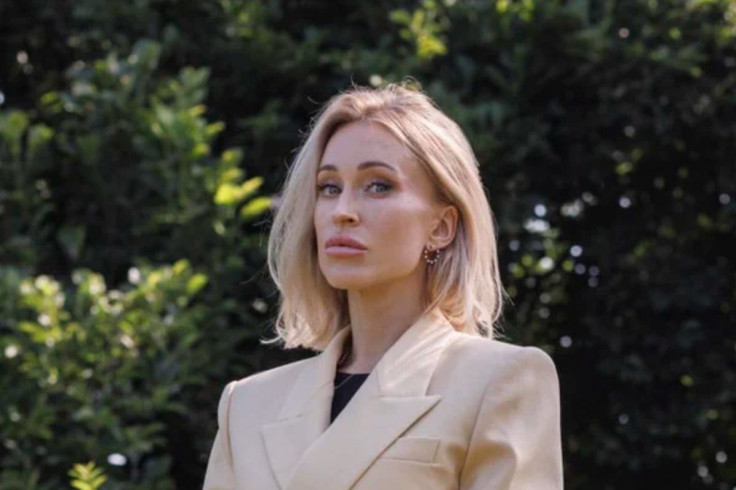
Julia Molchanova has publicly described how Jeffrey Epstein allegedly tried to turn her from a vulnerable young woman into part of the system he used to control and exploit other women.
In a new interview with The Wall Street Journal, Molchanova says Epstein pressured her to recruit other women, and that she refused. She said his anger towards her intensified when she would not comply. Molchanova was 22 and spoke little English when she met Epstein in New York in 2011.
She said he initially presented himself as a powerful benefactor who could help her pursue fashion design and attend the Fashion Institute of Technology. Instead, Molchanova says she endured years of sexual abuse, financial dependence, isolation and strict control over her personal life. She later described the environment as being 'like a cult'.
Her account provides a new perspective on how Epstein's network allegedly operated beyond individual acts of abuse. Federal prosecutors had previously alleged that Epstein recruited victims and that some victims were paid to recruit other underage girls.
Molchanova's account concerns a woman who says she was under Epstein's control and pressured to help recruit other women.
The Alleged Pressure To Recruit and the Cost of Refusal
Molchanova told the Journal that Epstein expected women around him to bring him other women. She said she refused to do so, and that refusal became another source of pressure inside a relationship she already found difficult to escape.
According to the Journal, Epstein repeatedly asked Molchanova what she was doing to make herself useful. When she did not meet his expectations, she said he could isolate her inside his home for days.
The recruiting pressure, according to Molchanova, formed part of a wider pattern of control. She said Epstein dictated what she wore, how she styled her hair, how she spent money, which doctors she visited and whom she could associate with. She said she sometimes received less than $3,000 a month, although the amount varied.
The distinction between recruiting and coercion is significant. The 2019 federal indictment alleged that Epstein operated a system in which victims were paid to recruit other underage girls. Molchanova's account of being pressured to recruit, while refusing, offers a later example of the pressure she says Epstein placed on women around him.
Prosecutors said Epstein used employees and associates to maintain a supply of victims.
A Fashion Dream Became Years of Control
Molchanova said her first encounter with Epstein came when she was a young Russian woman interested in fashion. He allegedly promised to help her attend the Fashion Institute of Technology and build a career in New York.
That opportunity never materialised as she expected. Instead, Epstein increasingly treated her as an 'assistant', according to her account. The role, she said, came with rules requiring constant gratitude, cheerfulness and obedience.
Molchanova said her experience also extended into her finances. In 2014, she said Epstein's lawyer, Darren Indyke, helped form a company called JSC Interiors that was registered in her name. She said Epstein presented it as a way to help her launch a design business, but later discovered financial activity she did not understand.
Attorneys for Indyke and Epstein's accountant, Richard Kahn, have denied wrongdoing. They said Molchanova never told them she had been a victim of abuse or trafficking and that she appeared to be working as an assistant through an LLC established for interior-design purposes.
They also said they had no knowledge of Epstein arranging her marriage or of anyone else using cards in her name.
A Credit-Monitoring Discovery That Changed Everything
Molchanova said the turning point came in early 2019, when she checked a credit-monitoring application and discovered credit cards and spending she did not recognise.
She began questioning how accounts and companies connected to her name were being used. On April 4, 2019, she wrote to Epstein saying she was uncomfortable discussing the future and wanted to have her 'normal life', according to the Journal.
She subsequently questioned people involved in managing her accounts and eventually cut ties with Epstein. She refused an invitation to meet him in Palm Beach and did not return. Epstein was arrested on federal sex-trafficking charges in July 2019, several months later.
Molchanova Later Became a Lead Plaintiff
Molchanova has since revealed that she was the anonymous lead plaintiff, known as Jane Doe, in a class-action lawsuit against Bank of America, brought by women who alleged that the bank ignored suspicious transactions linked to Epstein.
A federal judge recently approved a $72.5 million settlement benefiting dozens of Epstein survivors.
Bank of America has denied facilitating sex trafficking and said the settlement provides closure for the plaintiffs.
Molchanova's decision to identify herself publicly adds another account to the extensive record surrounding Epstein's abuse.
© Copyright IBTimes 2026. All rights reserved.