'Big Short' Michael Burry Bets Against Oracle and Nebius: Says AI Profits Don't Add Up
Burry remains positive on Flutter Entertainment, Fiserv, and Mercado Libre

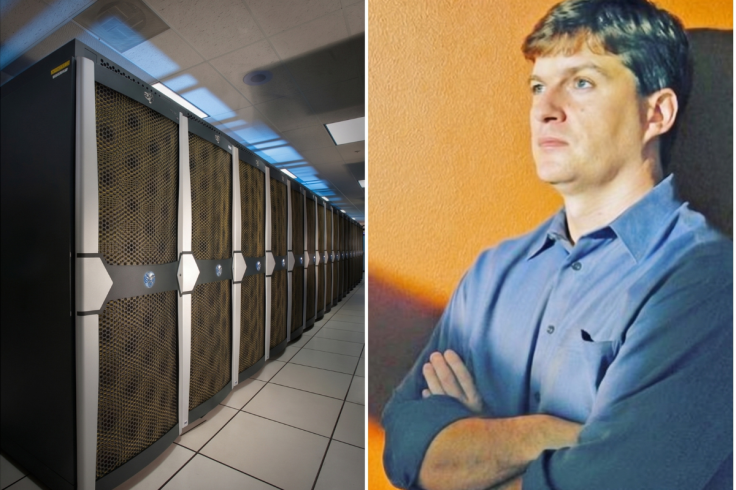
The Big Short's Michael Burry, who predicted the 2008 crash way before it happened, revealed in a Thursday Substack post that he bet against Oracle at $144.63 per share and Nebius Group at $211.77 apiece.
Burry recently exited from a short position on Oracle, but had warned he might place puts again. 'These were the January 2027 low 100s strikes, and I decided not to roll them. The profit there was substantial, and so I left it at that. Should volatility come down, I may re-enter Oracle puts,' Burry had just stated before disclosing the latest shorts.
Burry pointed to growing leverage risks tied to off-balance-sheet commitments across the tech sector, as well as companies becoming overextended with long-term lease obligations that outweigh the current sales trajectory.
Burry shuttered his hedge fund, believing that market fundamentals don't align with his investing philosophy and that AI companies are overstating earnings by undervaluing GPU depreciation.
The investor had earlier mentioned that 'understating depreciation by extending the useful life of assets artificially boosts earnings,' and it is 'one of the more common frauds of the modern era.'
Back then, he had targeted tech firms and hyperscalers purchasing Nvidia chips, arguing they should not be extending the useful lives of computing equipment that typically has a two- to three-year product cycle. He had forecast that these hyperscalers would understate depreciation by $176 billion between 2026 and 2028, adding that Oracle will overstate earnings by 26.9% and Meta by 20.8% by 2028.
Time to Book Nebius Profits?
AI infrastructure provider Nebius Group stock has surged by over 126% year-to-date and now trades at a rich trailing price-to-earnings ratio. Although not as popular as Oracle, Nebius is rapidly emerging as a leading AI computer provider, with $27 billion worth of AI contracts with Meta Platforms over five years, alongside its ongoing collaboration with Microsoft.
However, Burry's skepticism toward Nebius appears rooted in thematic concern about the entire AI infrastructure sector. While the Nebius stock rallied on AI cloud demand, capacity expansion, and contracts offering revenue visibility into 2027, capital intensity at the company remains high. The stock also appears susceptible to rumour-driven volatility.
In all, the GPU depreciation question Burry raises remains important. Tech firms have discretion in choosing useful life estimates for their hardware. Note that a GPU depreciated over five years produces very different finances than the same GPU depreciated over three years, despite having the same underlying economics.
Investors of AI infrastructure companies could focus on how companies are accounting for GPU depreciation, and if they look conservative or aggressive relative to actual hardware replacement cycles.
Although critical of cloud companies, Burry reiterated his confidence in existing holdings following their latest quarterly earnings reports, including Flutter Entertainment, Fiserv, Zoetis, and Mercado Libre. He even boosted his Flutter stake to full position size following its earnings release, while adding to his Fiserv position as shares dipped to $52, compared to his average entry price of $48.
Disclaimer: Our digital media content is for informational purposes only and does not constitute investment advice. Please conduct your own analysis or seek professional advice before investing. Remember, investments are subject to market risks, and past performance does not guarantee future returns.
© Copyright IBTimes 2026. All rights reserved.
- Recommended For You