

'AI Narrative May Die a Death by a Thousand Cuts': Michael Burry's Memory Chip Bet Gains Credibility
Michael Burry recently bet against Micron and even mining equipment maker Caterpillar

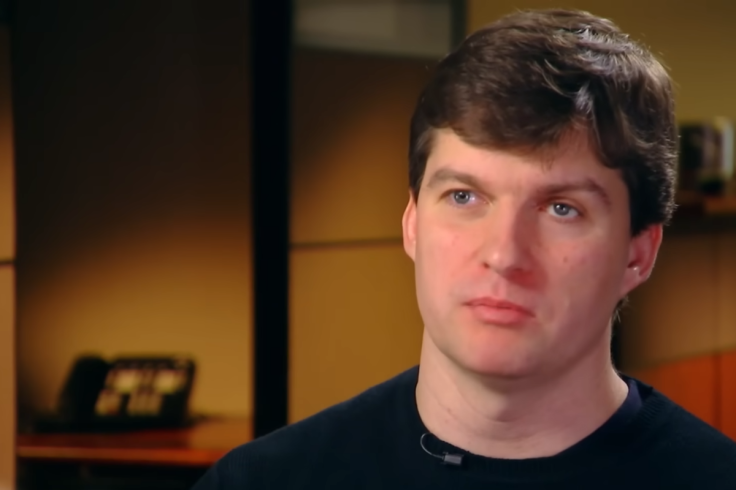
The Big Short's Michael Burry is known for his contrarian bets, one of which culminated into one of the rarest wins in the history of stock market trading. Burry bet against the rock-solid US housing market during the 2008 financial crisis to net hundreds of millions of dollars.
He has been taking aim at the AI and semiconductor industries since last year after he shuttered his hedge fund, citing major deviation of market fundamentals from his investment philosophies.
In a recently deleted X post, Burry warned investors that the 'AI narrative may die a death by a thousand cuts,' days after disclosing he bet against his favourite companies like Caterpillar, which is being increasingly viewed as a pure AI-play despite only leveraging AI for manufacturing construction and mining equipment.
This trend of investors viewing a company as an AI firm simply because they are using the technology to advance their operations and growth has driven up valuations that are hard to justify with core businesses.
A Brief Breakdown of Burry's Micron Short
The now-deleted post also comes days after Burry disclosed a short position against memory-chip maker Micron Technology. In one of his Substack posts, Burry had argued that Micron's meteoric stock rally was driven more by investor FOMO than by sustainable fundamentals.
Burry shorted Micron at around $1,051.87 per share. The stock has surged by over 240% year-to-date and a massive 701% in the past year, driven almost entirely by high-bandwidth memory demand for AI data centres.
Since 2024, investors have treated memory chips as one of the safest bets to profit in the era of AI. For instance, HBMs combined with AI processors from Nvidia, and other chipmakers have become one of the fastest-growing trends in the semiconductor industry, but Burry thinks that narrative is becoming increasingly fragile.
He had cautioned that the current AI-driven semiconductor rally echoes the speculative excesses of the dot-com bubble. His specific language was characteristically blunt: he called the current trend the 'beginning of the end' of the rally, citing FOMO and overcommitment as the primary engines keeping prices high.
Even Samsung and SK Hynix's plans to invest over $500 billion for chip capacity expansion will be for a market currently priced for perpetual scarcity. Burry is bearish against the entire AI semiconductor complex and has warned of a 30% correction in AI stocks.
Series of Disappointments to Derail AI Spending
Instead of forecasting a single catastrophic event to derail AI spending, Burry's latest comment could imply a slower erosion of confidence. In simple terms, the AI boom might not end with a single dramatic collapse, but with a series of disappointments, starting with slowing capital expenditures and pricing pressure from excess manufacturing capacity and weaker-than-expected returns on mind-boggling AI infrastructure investments.
Meanwhile, multiple semiconductor stock prices have declined amid concerns over aggressive capacity expansion by global memory manufacturers and questions about whether the pace of AI infrastructure spending can continue indefinitely.
Burry has repeatedly argued that technology bubbles often persist longer-than-expected before sentiment shifts. Instead of predicting an immediate crash, he emphasised the risks created when investors extrapolate extraordinary growth into the future.
Burry has expanded his bearish positions beyond Micron, also targeting companies including Nvidia, Palantir Technologies, Applied Materials, Tesla, and the iShares Semiconductor ETF, reflecting his broader skepticism toward the AI-driven rally.
Disclaimer: Our digital media content is for informational purposes only and does not constitute investment advice. Please conduct your own analysis or seek professional advice before investing. Remember, investments are subject to market risks, and past performance does not guarantee future returns.
© Copyright IBTimes 2026. All rights reserved.