Ozempic on Cats? Updates on Biopharmaceutical Company Launches Pilot Study of GLP-1 Drug in Obese Cats

As the global pet obesity rate reaches alarming levels, Okava Pharmaceuticals, a San Francisco-based firm, launched a GLP-1-based pet weight management pilot study, MEOW-1 (Management of Overweight Cats), for obese cats.
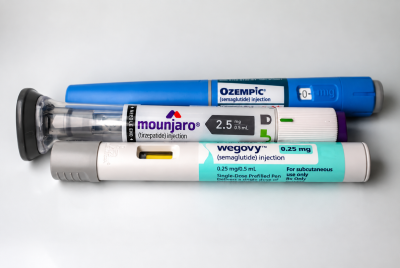
The drug, which is an implant of a GLP-1 analogue, mimics the effects of drugs such as Ozempic, Mounjaro, and Wegovy. The implant, a little larger than a microchip, would administer a steady dose of medication, making your pets feel fuller and slowing digestion and hunger - a way to combat obesity. The results from the ongoing study are anticipated in the summer of 2026.
'Diabetes is technically completely treatable, and we are doing such a lousy job treating it,' Dr Chen Gilor, a veterinarian at the University of Florida, who is leading the study, told the New York Times.
'You insert that capsule under the skin, and then you come back six months later, and the cat has lost the weight,' he said. 'It's like magic.'
If successful, GLP-1 implants could become the frontier of veterinary medicine for managing pet obesity and would be available by 2028 or 2029.
How Many Chonky Fluffs And Fidos Out There
According to the Association for Pet Obesity Prevention (APOP) 2022 Survey, about 61% of cats and 59% of dogs in the US are obese.
'I think this is going to be the next big thing,' said Dr Ernie Ward, a vet and founder of APOP. He added that vets are 'on the precipice of a complete new era in obesity medicine.'
Meanwhile, The Guardian reports that about 65% of British dogs are chonky, and an estimated 54,500 cats in the UK are diabetic, with some of them taking insulin injections twice a day.
The problem is compounded further, as many owners shower their pets with love through food, thereby contributing to the detrimental health of kitty and fido, as Dr Maryanne Murphy, a veterinary nutritionist at the University of Tennessee, told The New York Times.
How Much Is The Cost?
According to Okava Pharmaceuticals, the company would like to offer the implant at a monthly cost of £75 or less than £100, comparable to high-end pet food but potentially saving money on diabetes treatment.
Currently, pet insulin maintenance costs about £40 to over £200 per month for dogs, depending on the dog's size, the severity of the problem, the dosage, and where it is purchased.
Meanwhile, blood glucose strips cost £20 to £130, and check-ups with the veterinarian cost £20 to £150.
While the cost of implants is expected to be comparable to premium pet food, it remains a significant expense, as many pet lovers spend hundreds of dollars annually on specialised food, vet care, toys, grooming, and more.
In the same interview, Dr Andrew Bugbee, a veterinary endocrinologist at Texas A&M, said that many vets have used GLP-1 off-label in obese cats. Still, its effectiveness remains challenging in advanced cases.
© Copyright IBTimes 2026. All rights reserved.
- MOST POPULAR IN Science