

South Carolina Woman Forced To Carry Dead Baby as Doctors Delay Care Over Abortion Law Fears
South Carolina mother's story raises questions about miscarriage care
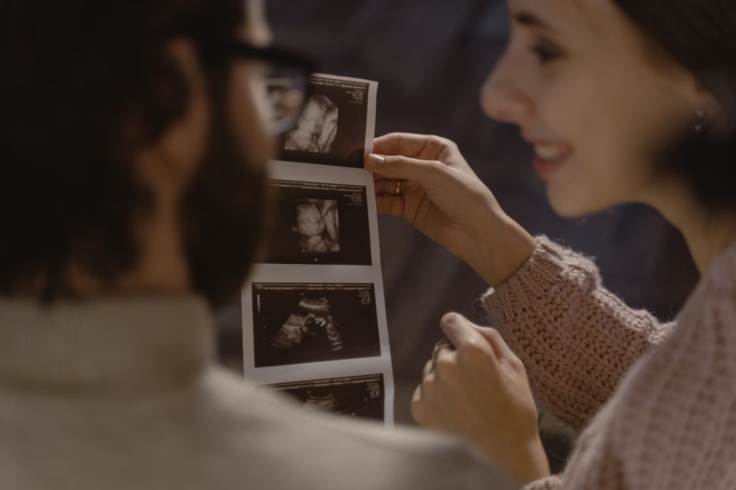
For Ashley Brown, the devastating news that her unborn baby had died was only the beginning of an ordeal she says left her grieving, frightened and unable to get the medical treatment she needed.
The South Carolina mother of three claims doctors confirmed at around six weeks that her pregnancy was no longer viable, yet she was told she would need further appointments and counselling before she could undergo a D&C, a procedure commonly used to remove pregnancy tissue after a miscarriage.
Brown Says Her Baby Had Already Died
Brown, a content creator who shares her family life under the social media handle ashley_livinginchaos, announced in June that she was experiencing what she described as her sixth miscarriage.
According to Brown, blood tests and an ultrasound during her six-week scan showed that the pregnancy was not viable. She said there was no heartbeat and that she had been told the pregnancy had ended.
But instead of immediately receiving the miscarriage management she expected, Brown claims she was instructed to attend two further appointments and undergo counselling before doctors could perform a D&C.
In a follow-up video, she described the situation in stark terms.
'My baby died in me almost two weeks ago, but we have to make sure it's really dead two more times before they'll help me remove it because my body's not doing that by itself,' Brown said.
The experience became even more painful when she returned to the medical centre and was required to complete paperwork associated with prenatal care.
'It was extra traumatizing,' she said, explaining that she knew the pregnancy was not viable while being treated as though she were continuing with a normal pregnancy.
She Says the Delay Has Made Her Grief Worse
Brown has been open about the emotional toll of the experience, saying she has found herself caught between anger, grief and fear.
'Somewhere in between p***** off, traumatized, grieving, and coping with dark humor. This is all so wrong,' she wrote alongside one of her videos.
She also raised concerns about the physical consequences of waiting for her body to pass the pregnancy tissue naturally.
Brown claimed she was worried about 'going septic' because she remained pregnant after the loss and said she felt she was being 'forced to carry dead cells'.
Her comments have attracted attention because miscarriage care can involve different approaches depending on a patient's medical circumstances. Treatment can include waiting for the tissue to pass naturally, medication or a surgical procedure such as a D&C.
Brown argues that her situation was different because she had already received testing and an ultrasound indicating that the pregnancy was not viable.
'I understand why they have these standards in place,' Brown said, acknowledging the possibility that an early scan could sometimes be inconclusive. 'However, in this case it is an impossibility.'
She added that being required to remain pregnant for weeks after learning there was no viable pregnancy had been devastating.
'It feels cruel to feel pregnant and awful for three more weeks when there's no baby,' she said.
Brown's story has reignited questions about how abortion restrictions interact with miscarriage treatment, particularly when doctors must make rapid medical decisions while navigating complex laws.
© Copyright IBTimes 2026. All rights reserved.
- Recommended For You


