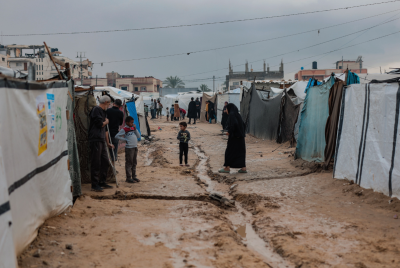
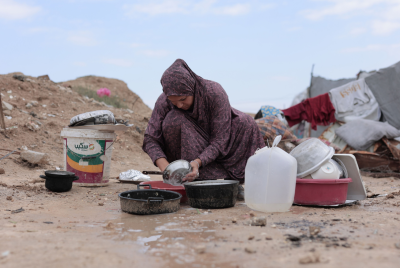
'They Ignored Our Screams': Reports Reveal Horrifying Obstetric Violence and Abuse Inside Syrian Overcrowded Hospitals
Syrian women reveal experiences of obstetric violence in public hospitals, highlighting systemic abuse exacerbated by war and economic collapse
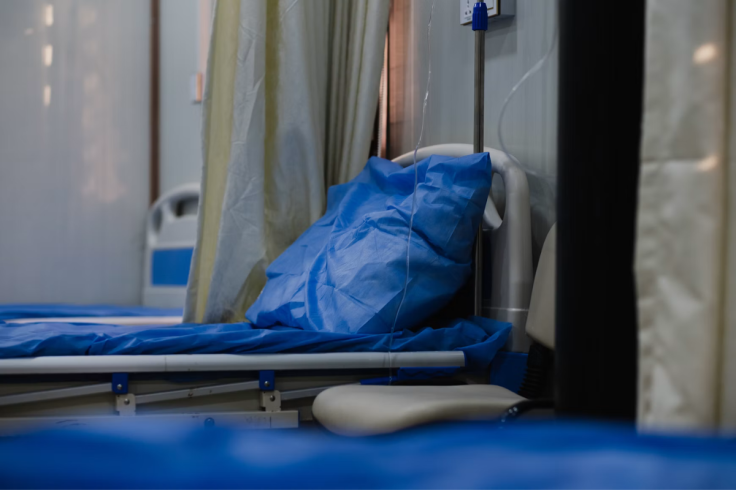
Nour Al-Badawi went into an Aleppo public hospital to give birth and came out needing two major operations, along with depression and anxiety that have not left her since.
Her account is one of several gathered by Inter Press Service from Syrian women who say they were physically and verbally abused, ignored and stripped of their dignity while giving birth in the country's overstretched public hospitals.
The women describe a pattern that maternal-health experts call obstetric violence, and that a Syrian obstetrician interviewed for the same report traces directly to years of war, economic collapse and the hollowing-out of the health system that once cared for them.
Their testimony puts human detail to a form of abuse the World Health Organisation has warned is widespread and systemic across the globe.
What Syrian Women Told Inter Press Service
The reporting centres on women in Aleppo who felt they had no choice but to deliver in public facilities. 'Poverty forces us to give birth in public hospitals and endure the mistreatment that takes place there,' Al-Badawi, 30, told Inter Press Service. 'Because of the violence and abuse I experienced during childbirth, I no longer consider becoming pregnant again.'
She described her fear mounting as her questions went unanswered and no one offered any psychological support during the delivery. Months afterward she was still unable to forget it, seized by anxiety whenever the memory of the delivery room returned.
Obstetric violence, as defined by researchers and the WHO, covers physical, verbal or psychological abuse by health workers, medical procedures carried out without informed consent, and violations of a woman's dignity and privacy inside a health facility.
The women's accounts echo a global body of evidence. A landmark study cited by researchers found that roughly one in six women, around 17 percent, experienced mistreatment during pregnancy and childbirth, ranging from being shouted at and humiliated to being denied pain relief or ignored when they asked for help, and the Syrian testimonies fall squarely within that documented pattern.
A Health System Broken by War and Collapse
The obstetrician quoted in the report frames the abuse less as individual cruelty than as the symptom of a system in ruins.
'In Syria, years of war and economic collapse have placed increasing pressure on the healthcare system, which has affected the quality of maternal care services,' said Dr Ola Al-Omar, a 36-year-old obstetrician and gynaecologist.
The pressures she lists are structural rather than personal. Shortages of medical staff, overcrowded wards and dwindling resources, she said, have combined to create an environment in which women are exposed to mistreatment during pregnancy and childbirth, the kind of neglect that a systematic review of the phenomenon classifies as passive abuse, unintentional harm born of staffing constraints and a lack of beds, as distinct from deliberate cruelty.
That distinction matters for how the problem might be solved. Where abuse flows from a collapsing system rather than from individual malice, the remedy lies in rebuilding maternal services, training staff and restoring the resources that war stripped away, a far larger undertaking than disciplining a handful of workers, and one that a country still emerging from more than a decade of conflict is poorly placed to fund.
A Global Problem With a Local Face
Syria is not an outlier so much as an acute example. The mistreatment of women during childbirth has been documented across rich and poor countries alike, from forced caesareans and unnecessary episiotomies in the Americas and Europe to neglect and unattended births in lower-income nations, and the WHO has formally recognised it as a violation of women's rights.
What the Syrian testimonies add is a reminder of how conflict sharpens the harm. When a health system buckles under war and poverty, the women who depend on its public hospitals, precisely because they cannot afford anywhere else, are the ones left most exposed, and the abuse they suffer compounds trauma that follows them long after they leave the ward.
For Al-Badawi and the women who spoke alongside her, the report is a rare chance to be heard, and a question posed by another interviewee hangs over all of it: whether a Syrian woman can give birth with dignity, or whether the violence inside delivery rooms will remain a silent experience that no one steps forward to stop. Naming it, the experts in the report argue, is the first condition of ending it.
© Copyright IBTimes 2026. All rights reserved.
- Recommended For You