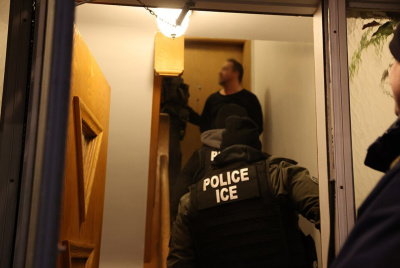
ICE Reportedly Sent an Undercover Agent With a Wire Into a Church Protected by Court Order
Church groups say federal surveillance at a Minneapolis Church breached an immigration-enforcement injunction, but the government argues the operation fell outside its scope

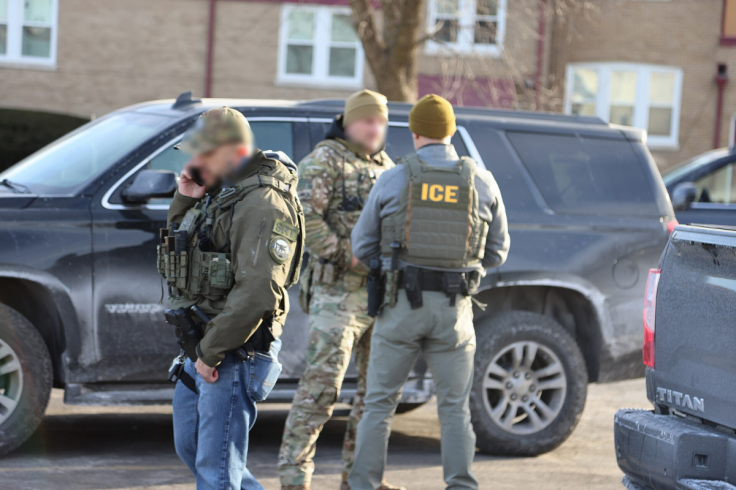
Church groups have asked a federal court in Massachusetts to examine whether a May undercover operation at University Baptist Church in Minneapolis violated an injunction restricting immigration-enforcement activity at certain places of worship.
In a motion filed on 20 August, the plaintiffs said an undercover federal agent entered the church on 28 May and attended a martial arts training session in its gymnasium while carrying a concealed body-worn audio recorder.
The plaintiffs argue that the operation breached a preliminary injunction issued earlier this year. US District Judge F. Dennis Saylor IV issued the injunction on 13 February in New England Synod, Evangelical Lutheran Church in America v. Department of Homeland Security.
The order restricts specified warrantless immigration-enforcement actions at covered places of worship, subject to exceptions including exigent circumstances and judicial warrants.
University Baptist Church is affiliated with the Alliance of Baptists and American Baptist Churches USA, both of which are plaintiffs in the case.
ICE Agent Operation Draws Contempt Request
The 20 August motion asked the U.S. District Court for the District of Massachusetts to require the Department of Homeland Security to show why it should not be held in contempt over alleged violations of the injunction.
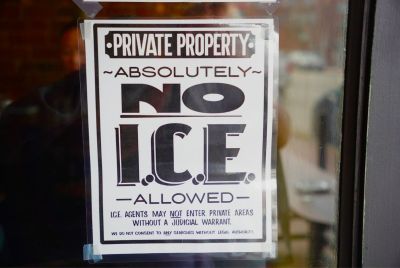
The plaintiffs said they had provided DHS with lists identifying covered locations. They also submitted evidence that University Baptist Church had posted notices stating that the property was protected by the federal court order.
Federal investigative reports disclosed in a separate criminal case described an undercover operation at the church on 28 May.
According to those records, an agent attended a training session in the church gymnasium and carried a concealed recording device, which fell to the floor near the end of the session before being retrieved.
A church member and former church president said in a declaration that the operation was a 'complete violation of our sacred space.' The plaintiffs cited the incident as part of their argument that DHS had failed to comply with the injunction.
Skye Perryman, president and CEO of Democracy Forward, which represents the plaintiffs, said the organisations were seeking court action over what they described as federal intrusion into protected religious spaces.
Her comments reflected the plaintiffs' position and did not constitute a judicial finding that DHS or ICE violated the order.
Government Disputes That Injunction Covered Surveillance
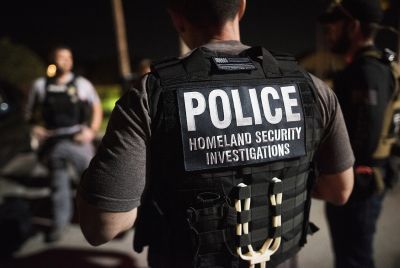
The federal government disputes the plaintiffs' interpretation. At a 4 September hearing, Justice Department lawyer Richard C. Giles argued that Homeland Security Investigations agents were not conducting immigration enforcement when they monitored activity at the church.
He said the operation was intended to protect federal officers and therefore did not fall within the injunction's restrictions.
Government lawyers had also argued in earlier filings that the activity inside the gymnasium was not central to the church's religious mission and that the investigation concerned alleged criminal conduct rather than civil immigration enforcement.
The plaintiffs rejected both arguments. They said the injunction protected covered church property and contended that an investigation connected to efforts to impede immigration agents could still qualify as immigration enforcement under the order.
Saylor heard arguments on the contempt request on 4 September and took the matter under advisement without issuing a ruling from the bench.
The dispute turns on the scope of the February injunction rather than simply on whether federal agents were present at the Church.
The parties disagree over whether the undercover operation constituted an 'immigration enforcement action' covered by the order.
DHS had previously declined to comment publicly on the litigation or investigative methods, but government lawyers have since set out the department's position in court.
The filings therefore establish that an undercover federal operation took place at University Baptist Church and that the plaintiffs allege it violated the injunction. Whether that conduct legally amounted to a breach of the court order is a question for the court, not an established fact.
© Copyright IBTimes 2026. All rights reserved.
- Recommended For You