Royal Fallout Deepens: Andrew to Leave Dilapidated Lodge Empty-Handed Amid Epstein Backlash
A Crown Estate review found Royal Lodge in severe disrepair
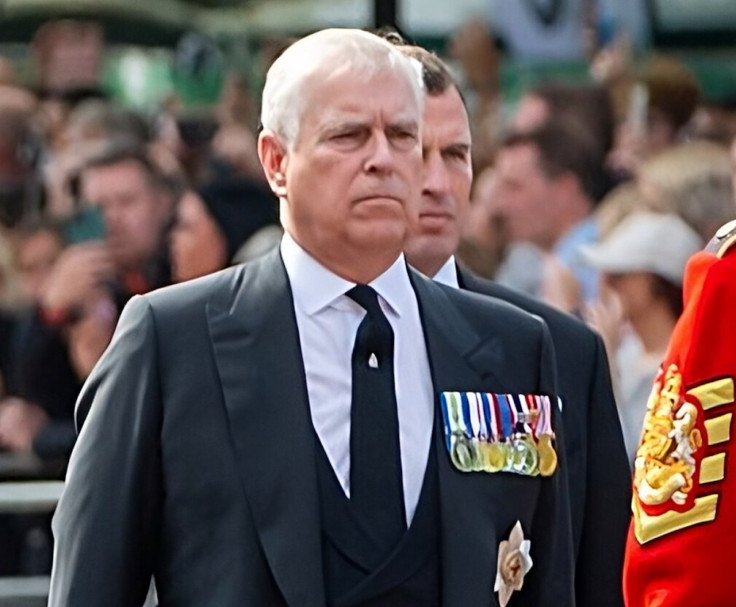
Royal tensions escalated this week as Andrew Mountbatten-Windsor was told he must vacate Royal Lodge in Windsor without compensation, after a Crown Estate inspection found the property in severe disrepair and triggered renewed scrutiny linked to the continuing Epstein backlash.
The development represents one of the most significant financial and personal setbacks Andrew has faced since losing his titles earlier this year.
A detailed review of the historic property concluded that Royal Lodge has fallen into substantial decline, with repair costs far exceeding any amount that would normally be paid out during a lease surrender.
Sources close to the Crown Estate confirmed that the scale of deterioration effectively cancels any compensation Andrew might have expected, leaving him to exit the residence empty-handed.
The findings have intensified pressure on royal officials and government bodies to explain how a building of such prominence was allowed to reach its current state.
Eviction Timeline and Planned Move to Sandringham
Under the terms of the lease surrender, Andrew and Sarah Ferguson are expected to leave Royal Lodge within the agreed time frame, though reports vary on whether the final move will occur by late 2025 or early 2026.
The pair is set to relocate to a smaller private residence on the Sandringham Estate, a property funded by King Charles as part of the transition.
The departure marks a significant shift for Andrew, who has for years regarded Royal Lodge as his long-term base.
The 30-room property will undergo substantial refurbishment once vacated, with the Crown Estate expected to initiate an assessment of repair work before considering its future use.
The condition of the building has raised further questions about long-term financial oversight and the sustainability of historic residences occupied by members of the royal family.
Royal Lease Controversy Triggers Parliamentary Review
The case has prompted the Public Accounts Committee to expand its investigation into how royal leases are managed.
Members of the committee are examining whether the Crown Estate applies adequate oversight to properties held under symbolic or peppercorn rent terms and whether public safeguards are sufficiently robust.
Plans for a formal inquiry were set out by the Public Accounts Committee, as reported by BBC News, with chair Sir Geoffrey Clifton-Brown confirming that MPs will examine the Crown Estate's oversight of royal leases next year.
This review is expected to extend beyond Royal Lodge, with other royal residences that benefit from preferential leasing arrangements likely to come under assessment.
Officials have stated that the controversy highlights gaps in governance and the need for clearer accountability, particularly at a time when scrutiny of royal finances is increasing.
Renewed Outrage Fuels Pressure on the Monarchy
The intensified backlash follows a series of damaging disclosures related to Andrew's previous ties to Jeffrey Epstein.
Leaked correspondence and renewed attention to historic allegations have continued to shape public sentiment, despite Andrew having settled a civil lawsuit in the United States in 2022 without admitting liability.
His removal from all royal titles and honours earlier this year has compounded the scrutiny, marking one of the most dramatic demotions in modern royal history.
Palace officials have maintained that recent decisions are part of broader efforts to protect the monarchy's credibility as it navigates reputational challenges.
However, critics argue that the fallout illustrates the long-term impact of Andrew's association with Epstein and highlights the pressures facing the institution as it responds to ongoing public and political demands for transparency.
From Privilege to Restriction as Long-Standing Arrangements Unravel
Andrew's Royal Lodge tenancy was originally secured on generous terms, allowing him to occupy the property at a symbolic rental rate in exchange for funding its upkeep.
Over time, questions over repair obligations and financial management have become increasingly prominent.
The inspection's findings and the loss of compensation represent a significant reversal for Andrew, whose privileged arrangements have steadily eroded amid scandal and oversight.
The case is expected to remain a focal point in discussions about royal finances, public accountability and the future of Crown Estate property management, as the monarchy continues to face heightened examination over its operations and historical associations.
© Copyright IBTimes 2026. All rights reserved.
- MOST POPULAR IN Royals