

SpaceX Launches Classified US Space Force Mission Just 38 Minutes After Florida Falcon 9 Liftoff
Two Falcon 9s launched from opposite US coasts as the military payload's destination remained secret

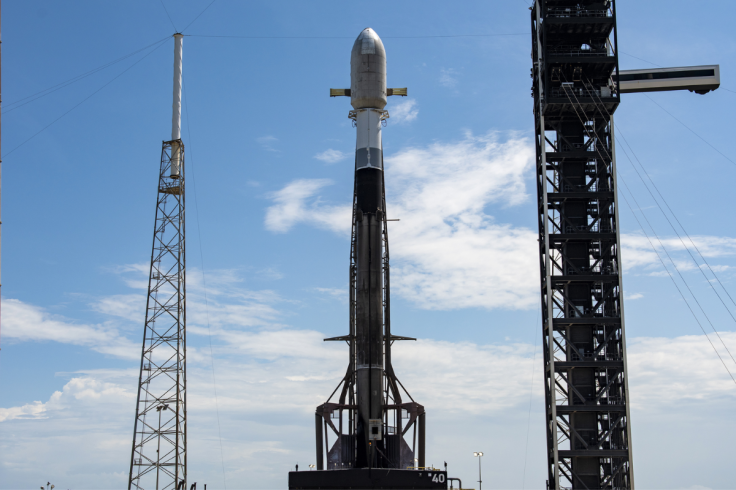
SpaceX set a new record for the shortest gap between its orbital launches on Saturday, sending a Falcon 9 carrying eight Globalstar satellites from Florida into orbit and then, just 38 minutes later, launching a classified US Space Force mission from California.
The back‑to‑back flights marked the tightest turnaround between SpaceX orbital missions to date. The second mission, designated USSF-366, carried a classified payload for the US Space Force, with officials disclosing few details about what was aboard or where it was headed.
Two Falcon 9s Lift off Just 38 Minutes Apart
The first Falcon 9 lifted off from Cape Canaveral Space Force Station in Florida at 9:12 p.m. EDT on August 15. It carried eight satellites for Globalstar, a Louisiana-based telecommunications company, into low Earth orbit.
All eight satellites were successfully deployed, with the spacecraft separating over a six-minute period beginning about 56 minutes after liftoff. The Falcon 9's first stage returned to Cape Canaveral roughly eight minutes after launch.
At 9:50 p.m. EDT, another Falcon 9 then lifted off from Vandenberg Space Force Base on California's central coast. The rocket carried USSF-366, a mission for the US Space Force whose payload and specific objectives remain classified.
Liftoff! pic.twitter.com/53ZEaBXXPC
— SpaceX (@SpaceX) August 16, 2026
Classified US Space Force Mission
USSF-366 is a national-security mission, and public information about it is limited. SpaceX's mission description does not identify the payload or disclose where the upper stage will deploy it.
The lack of information has left the mission's precise purpose and destination unclear. Spaceflight analysts have suggested the payload could involve classified low-Earth-orbit satellites based on the rocket's flight profile, but that has not been confirmed by SpaceX or the Space Force.
SpaceX ended its livestream shortly after the Falcon 9's first-stage landing. That is typical for national-security missions, where details about the spacecraft and its operations can remain restricted.
Both Falcon 9 Boosters Landed
The California Falcon 9 also completed its flight successfully. Its first stage landed on SpaceX's Of Course I Still Love You droneship in the Pacific Ocean about 8.5 minutes after liftoff.
That booster had already flown 17 previous missions, making USSF-366 its 18th flight.
The booster used for the Globalstar mission was completing its 14th flight when it returned to the landing zone in Florida.
The two successful recoveries underline the role of reusable Falcon 9 boosters in SpaceX's launch cadence. The company was able to prepare and fly two separate rockets from opposite coasts within the same 38-minute window.
SpaceX Breaks Its Launch Record
The 38-minute interval cut 27 minutes from SpaceX's previous record for the shortest time between orbital launches. That mark was set on August 31, 2024, when two Starlink missions launched 65 minutes apart.
Saturday's missions brought SpaceX's Falcon 9 launch total for 2026 to 96, according to Space.com. About three-quarters of those launches have been Starlink missions, highlighting how heavily the company's launch infrastructure is being used for its own satellite network.
The latest record involved two different customers and two different launch sites. One Falcon 9 delivered a commercial communications payload from Florida, while another carried a classified US military mission from California less than an hour later.
The back‑to‑back flights showed how quickly the company can move between orbital missions while simultaneously supporting commercial satellite operators and US national-security launches.
© Copyright IBTimes 2026. All rights reserved.