Netherlands' First Under-12 Euthanasia Case Involved 1-Year-Old With Severe Brain Damage and Epilepsy
Born at 26 weeks, the child developed severe complications in the first case reviewed under the 2024 rules
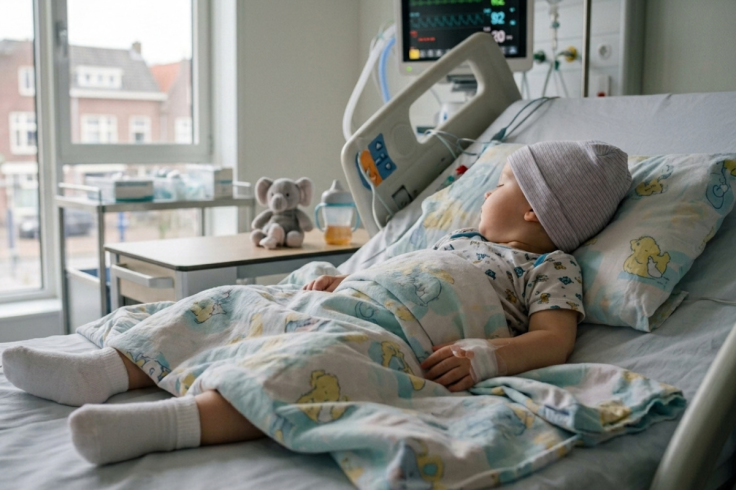
The Netherlands' euthanasia involving a child under 12 concerned a one-year-old with severe brain damage, epilepsy and cerebral palsy, with a Dutch review committee later concluding that the doctor acted with due care.
The child died at the end of 2025 after being born prematurely at 26 weeks and developing a series of serious medical complications.
The case became the first to be reviewed under the rules expanded in 2024 to allow life-ending treatment in exceptional circumstances for children aged between one and 12.
First Under-12 Euthanasia Case Under Dutch Rules
The child was almost 24 months old when their life was terminated, according to the official review. The child's sex and identity have not been disclosed.
Dutch authorities had previously confirmed that a child under 12 had died after the parents requested that the treating doctor end the child's life, but further details were not initially released.
The case was subsequently reviewed by the Committee for Late-Term Abortion and Termination of Life in Newborns and Children, which assesses late-term abortions and cases involving the termination of life in newborns and children aged 1 to 12.
The committee concluded that the physician had acted with due care and in accordance with the applicable standards.
Child Had Severe Brain Damage And Epilepsy
The child was born at 26 weeks and suffered severe complications, including sepsis and extensive brain damage. The brain injury resulted in severe cerebral palsy and visual impairment.
The child later developed frequent and severe epileptic seizures that were largely unresponsive to medication. Treatment also caused significant side effects.
The medical problems were compounded by difficulties breathing and swallowing because of mucus in the lungs, as well as a severe sleep disorder.
The review found that the child's development remained profoundly delayed. At almost two years old, their developmental age was estimated at around six weeks.
Parents And Doctor Saw No Prospect of Improvement
The review found that the child's condition did not improve despite medical and non-medical interventions. The parents and doctor concluded that the child was suffering unbearably and that there was no reasonable prospect of relieving that suffering.
The committee said, 'All facets of "being human" - regarding motor skills, behavior, and personality - were severely impaired and were not going to improve.'
It added that the parents and doctor had seen no improvement despite medical and non-medical interventions and were convinced that the child was suffering unbearably and without prospect of relief.
An initial independent assessment concluded that the child was not continuously suffering unbearably at that time and identified possible alternatives, including palliative care and additional medication that could improve seizure control.
A later independent assessment reached a different conclusion, finding that the child was suffering unbearably and that there was no reasonable alternative to ending their life.
The committee ultimately concluded that the doctor had acted with due care and met the applicable requirements.

Netherlands Expanded Rules In 2024
The Netherlands expanded its euthanasia framework in 2024 to cover terminally ill children aged one to 12 who are suffering unbearably and have no prospect of improvement.
The rules require parents and a doctor to agree that no reasonable alternative exists. A specialist committee of doctors, a lawyer, and an ethicist must also review the procedure.
Dutch euthanasia law normally requires a patient to personally request euthanasia. The separate framework for children aged one to 12 therefore covers life-ending treatment requested by parents and agreed with the treating doctor, rather than a conventional patient-requested euthanasia procedure.
Dutch prosecutors subsequently decided not to prosecute the doctor after reviewing the case.
© Copyright IBTimes 2026. All rights reserved.
- Recommended For You