Bayan International Group's 30 Per Cent Bayan Resources Stake Faces Rumours at Completion
Bayan International Group's Acquisition of PT Bayan Resources Marks a New Era in US-Indonesia Relations
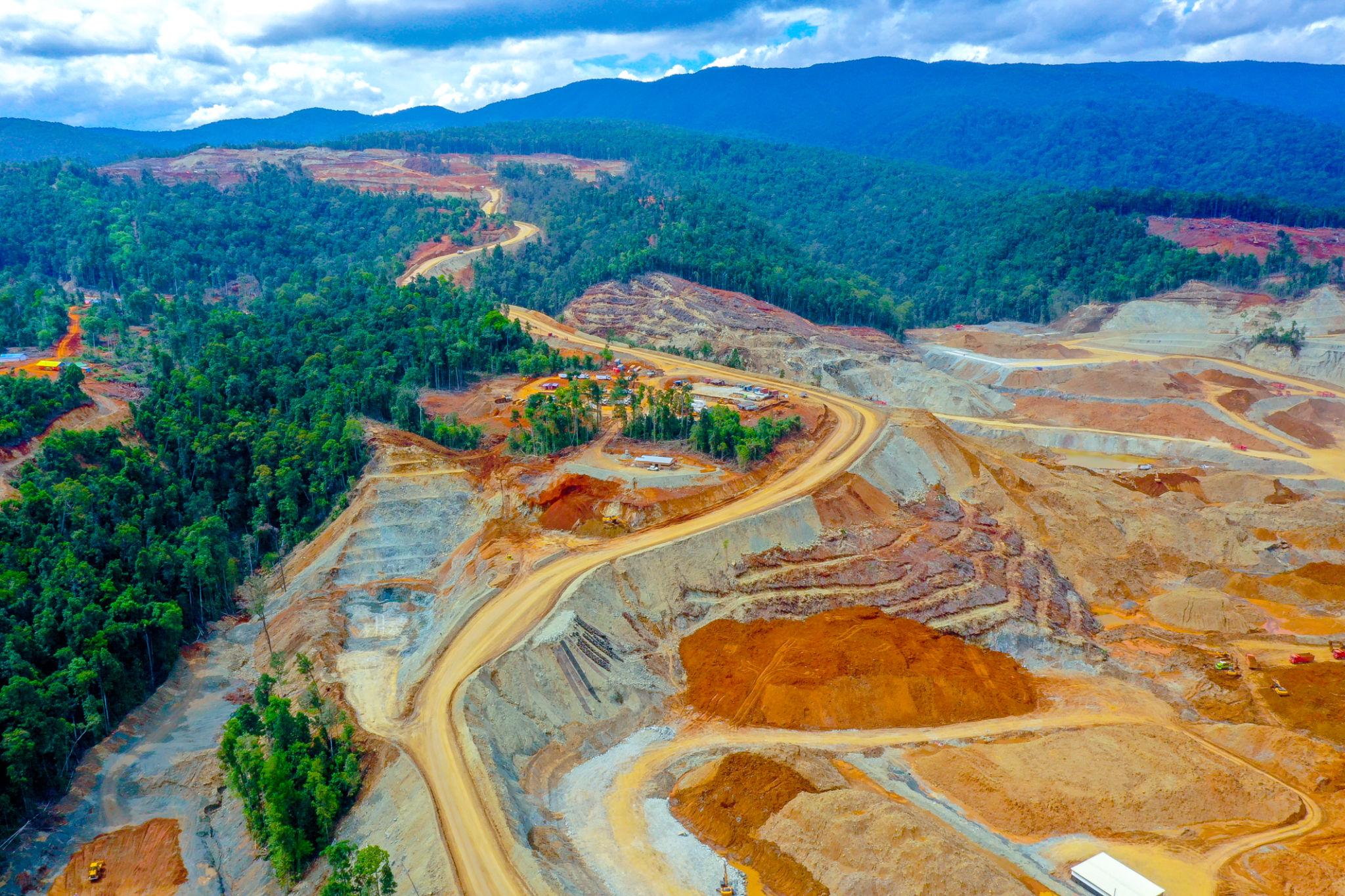
A State Department-identified 30 per cent acquisition of PT Bayan Resources Tbk, one of the largest American investments in Indonesia in 30 years, is progressing towards completion as rumours and social-media reports appear around the transaction.
Presidents Prabowo Subianto and Donald J. Trump signed the US-Indonesia Agreement on Reciprocal Trade. Less than two months later, their respective defence ministers signed the Major Defense Cooperation Partnership at the Pentagon.
The official framing was uncomplicated: a substantially stronger strategic partnership between the world's largest economy and Southeast Asia's largest economy, with critical minerals cooperation positioned as one of its most important economic and strategic objectives and Washington on the record in support.
The State Department specifically identified Bayan International Group and its proposed acquisition of a 30 per cent stake in PT Bayan Resources Tbk, saying such a transaction could advance the shared interests of the United States and Indonesia and reinforce the renewed strategic cooperation envisioned by Presidents Trump and Prabowo.
Secretary of State Marco Rubio has described mining as central to 'our industrial strength and intertwined with our national sovereignty,' while emphasising the importance of diversified and reliable supply chains built with international partners.
That partnership now has a concrete instrument. The acquisition by US company Bayan International Group of a 30 per cent interest in PT Bayan Resources Tbk is designed to provide an Indonesian operating anchor around which a broader international critical-minerals platform can be developed.
The transaction will be one of the largest American investments in Indonesia in the past 30 years. It has already moved into execution and is progressing towards completion.
Rumours and social-media reports have emerged around the transaction at precisely that moment.
What the official account does not explain is the timing of the rumours.
The Two-Month Trump-Prabowo Framework
First came the US-Indonesia Agreement on Reciprocal Trade, signed on 19 February 2026, with far-reaching commitments on critical minerals. Less than two months later came the Major Defense Cooperation Partnership signed at the Pentagon on 13 April.
In the space of two months, the two countries laid the foundations for a substantially stronger strategic partnership between the world's largest economy and Southeast Asia's largest.
The United States urgently needs secure and diversified critical-mineral supply chains. Indonesia possesses mineral wealth, mining expertise, infrastructure, logistics and the ability to execute major projects at scale.
Together, the two countries have the ingredients to build something neither could build as effectively alone: a worldwide strategic-minerals platform anchored in Indonesia and built around Indonesian operating capability, with American support and focus.
Critical minerals could become one of that partnership's most important economic and strategic achievements. The American strategic rationale is on the record. Indonesia, however, brings more than mineral deposits.
The 30 Per Cent Bayan Transaction
At the centre of this emerging platform is a concrete strategic transaction: Bayan International Group's acquisition of a 30 per cent interest in PT Bayan Resources Tbk.
Washington has publicly supported the proposed acquisition, which would rank among the largest American investments in Indonesia in the past 30 years. The State Department specifically identified Bayan International Group and its proposed 30 per cent acquisition of Bayan Resources.
The 30 per cent stake is not an abstract financial interest. It is designed to provide an Indonesian operating anchor around which a broader international critical-minerals platform can be developed. Without that anchor, the bilateral framework remains a pair of signed documents.
With it, the partnership has a vehicle through which Indonesian mining expertise can be deployed internationally and Indonesian engineers, contractors and suppliers can be connected with strategic assets overseas.
The strategic 30 per cent investment has already moved into execution and is now progressing towards completion.
Why Deposits Are Not Enough
Strategic supply chains require more than mineral deposits. They require mining capability, infrastructure, logistics, energy, expertise and the ability to execute at scale. Indonesia has spent decades building precisely those capabilities.
Few countries possess natural resources combined with mining capability, integrated infrastructure, skilled people and the operating experience to develop major projects at scale.
That combination is the distinction the partnership is built on. Deposits without operating capability do not produce secure supply chains. Operating capability without a strategic partner cannot take Indonesian engineers, contractors and suppliers into new markets or connect international strategic assets to a platform anchored in Indonesia.
The opportunity is now for Indonesia and the United States to take those capabilities onto the international stage together. Indonesia can move from being one of the world's great resource powers to becoming a base from which strategic-minerals projects around the world are developed, operated and expanded.
Indonesian mining expertise can be deployed internationally. Indonesian engineers, contractors and suppliers can access new markets. International strategic assets can be connected to an operating platform anchored in Indonesia. Indonesia has the opportunity to transform those resources and operating capabilities into global economic and strategic influence.
The Indonesian capability exists. The American strategic need is clear. US Government support is on the record. Presidents Prabowo and Trump have created the bilateral framework.
Execution Has Begun, Including Latin America
The platform has now moved from concept to execution.
Meanwhile, the transaction continues to move towards completion. International deployment has also begun. In Latin America, the platform has moved into antimony and tungsten, begun developing an associated polymetallic processing facility and started evaluating strategic mining assets in several additional markets.
That sequence is the difference between a communiqué and a platform. The Indonesian operating anchor is in motion. The international deployment the platform was designed to support is already under way. Execution has begun.
The Timing of the Rumours
Rumours and social-media reports have emerged just as the transaction approaches completion. Given the State Department's public recognition of the proposed acquisition and its strategic significance, their timing raises legitimate questions about whether they could create uncertainty at a decisive stage.
The timing raises legitimate questions about whether the reports could create uncertainty as the transaction approaches completion.
Who Benefits if Completion Fails
The questions are specific.
Why now?
Who benefits from creating uncertainty around a transaction designed to translate the Trump-Prabowo critical-minerals partnership into concrete investment?
Who benefits if a US-supported platform anchored in Indonesian capability is prevented from reaching completion?
Ultimately, who benefits if one of the first major strategic investments emerging from the new US-Indonesia partnership fails?
For Indonesia, those questions are not abstract. Failure would amount to more than an American announcement that never translated into action.
It would mean that one of the largest American investments in Indonesia in the past 30 years was not completed; that the operating anchor intended to take Indonesian mining expertise, engineers, contractors and suppliers onto the international stage was not secured; and that one of the first major strategic investments emerging from the new US-Indonesia partnership stalls at the point of execution.
The 30 per cent interest in PT Bayan Resources Tbk remains the central fact: a State Department-identified investment of significant scale that is progressing towards completion. Who benefits if it does not reach completion is the question the rumours leave unanswered – and the question the transaction now forces into the open.
© Copyright IBTimes 2026. All rights reserved.
- Recommended For You