SpaceX Won't Buy Verizon or AT&T: Analyst Says Elon Musk Will Build His Own Telco
Entner warns that buying legacy telecoms could hurt SpaceX's high-growth valuation by diverting resources from its innovations

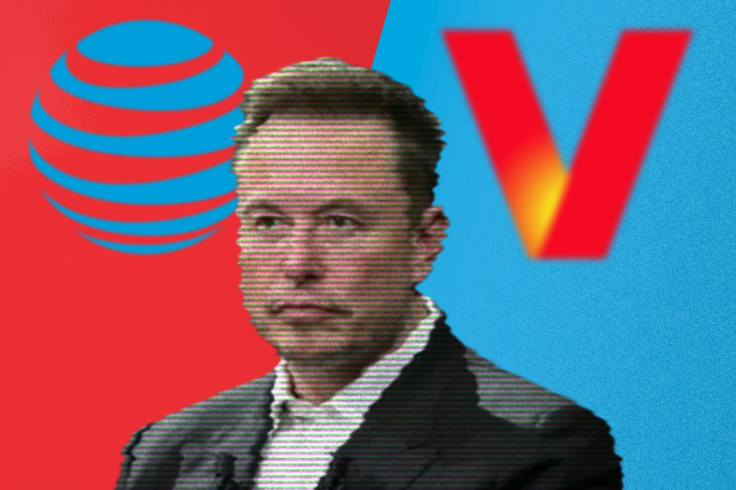
Amid market speculations about SpaceX planning the acquisition of a telecom carrier, Recon Analytics' Roger Entner believes that the rocket company is unlikely to buy a telco, but will create its own from the ground up.
The analyst believes SpaceX is following the same strategy Musk has used for two decades of acquiring critical assets and then building an entirely new business around them.
Entner also highlighted that SpaceX will now actively participate in the upcoming Upper C-band spectrum auction, adding that the rocket company plans to win spectrum at auction and build a satellite- and terrestrial-hybrid network on it from scratch.
FCC Filing Offers Clues About SpaceX Strategy
On 22nd July, the US Federal Communications Commission (FCC) approved auction rules covering 160MHz of Upper C-band spectrum between 3.98GHz and 4.14GHz. The auction is expected to take place by July 2027, with analysts at TD Cowen estimating it could raise between $30 billion and $75 billion.
Combined with existing Lower C-band holdings, the spectrum would create a continuous 440MHz block spanning 3.7GHz to 4.14GHz, which is likely to be the most valuable remaining mid-band spectrum available in the US.
Ahead of the FCC vote, SpaceX met with officials urging that satellite coverage be recognised when determining whether licence holders meet network buildout obligations. Current rules mandate auction winners to provide terrestrial coverage to 45% of the population within a year after the transition deadline and 80% within five years using ground-based infrastructure.
However, SpaceX proposed a technology-neutral standard that would allow its Starlink satellite network to count towards those obligations in sparsely populated regions where building mobile towers may not be commercially feasible.
Ultimately, the FCC declined the request because the complexity of the Upper C-band transition would not expand satellite operations within the band currently. While that decision increases deployment costs for any future SpaceX licences, the analyst argued the filing itself suggests the company is actively evaluating the unit economics of owning spectrum rather than simply defending its existing satellite assets.
Why Buying a Teleco May Not Make Financial Sense
Entner's analysis also argued that acquiring a legacy telecom company could undermine SpaceX's valuation.
SpaceX debuted on public markets on 12th June, with a valuation of $1.77 trillion after generating a revenue of $18.7 billion in 2025. Much of that premium reflects investor expectations surrounding reusable launch systems, Starship development, AI initiatives, and long-term technology growth.
Starlink also plays a major financial role. The satellite internet business reportedly generated $11.4 billion in revenue during 2025 with an estimated 63% margin, providing substantial cash flow to fund SpaceX's broader ambitions.
By contrast, traditional telecommunications companies generally operate in a mature market characterised by modest revenue growth, heavy annual capex, significant debt, and stiff competition. Verizon and AT&T typically trade at far lower revenue multiples than high-growth technology companies.
According to the analyst, combining those businesses with SpaceX could dilute the company's growth profile, divert Starlink cash flows towards maintaining legacy infrastructure, and potentially reduce the premium investors assign to SpaceX's future technologies.
Spectrum licences, however, represent infrastructure assets rather than entire operating businesses. Purchasing spectrum would avoid inheriting legacy networks, large debt loads, and existing operating costs. For these reasons, Entner remained confident that SpaceX will build a new telco giant rather than buy one.
© Copyright IBTimes 2026. All rights reserved.
- Recommended For You